

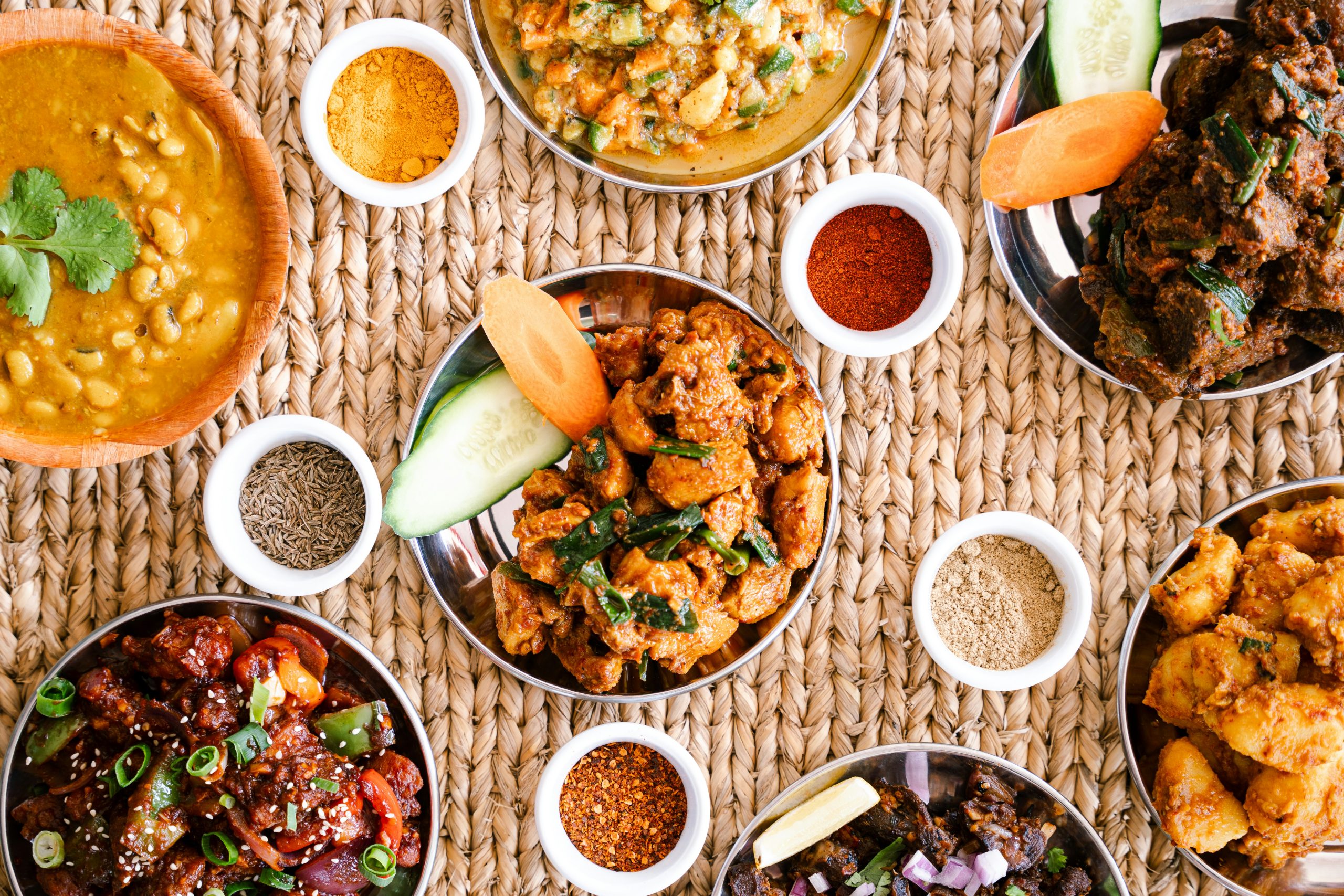
Have you ever tasted a cuisine that feels like a journey through history and culture? Newar cuisine, rooted in the vibrant Newar community of Nepal, offers just that. It’s one of the oldest culinary traditions in the world, blending bold flavors with unique ingredients like fermented greens and mustard oil. Every dish tells a story, from the smoky richness of Chhoila to the sweet symbolism of Yomari during festivals. Passed down through generations, this cuisine isn’t just food—it’s a living heritage that connects people and celebrates Nepal’s rich traditions.
Key Takeaways
Newar food is full of flavors and traditions. It comes from the Newar community in Nepal. Each dish shows their history and culture.
Fermented foods like Gundruk and Sinki are very important. They add special tastes and are healthy too. These make meals tastier and better for you.
Famous dishes like Yomari and Samay Baji are more than food. They stand for wealth and togetherness. People eat them during festivals and special events.
Newar food is known for strong flavors and many ingredients. It is very different from other Nepali foods.
Trying Newar food can be a fun adventure. Start with dishes like Bara or Chatamari to enjoy the taste and learn about the culture.
Table of Contents
What is Newar Cuisine?
Origins and Historical Roots
Newar cuisine has a fascinating history that stretches back centuries. It developed among the Newar community in Nepal Mandal, particularly in the Kathmandu Valley. This region’s fertile soil and rich agricultural practices shaped the cuisine, resulting in over 500 unique dishes. These dishes aren’t just about taste—they’re deeply tied to Newar culture. You’ll find specific foods prepared for festivals, rituals, and even daily life, each carrying its own meaning.
Over time, Newar cuisine evolved, influenced by Nepal’s ancient trade routes. These routes brought in spices, techniques, and ingredients that blended seamlessly with local traditions. For example, dishes like Yomari, a sweet dumpling, symbolize abundance and are central to festivals like Yomari Punhi. Traditional feasts, known as Bhoj, also became a cornerstone of Newar social life, strengthening community bonds through shared meals.
Did you know? Newar cuisine reflects not just the region’s history but also its spirituality. Dining rituals during feasts often have symbolic meanings, connecting food to cultural identity.
Distinctive Features of Newar Cuisine
What makes Newar cuisine stand out? It’s the bold flavors and unique ingredients. Fermentation plays a big role, with foods like Gundruk and Sinki adding tangy, umami-rich notes. Mustard oil is another key ingredient, giving dishes a sharp, distinctive flavor. You’ll also notice a skillful use of spices like cumin, turmeric, and fenugreek, which create a perfect balance of sweet, sour, and spicy flavors.
Cooking techniques like grilling and smoking add depth to dishes like Choila, a spicy grilled meat. Seasonal ingredients ensure freshness, while the art of preparation—passed down through generations—makes every dish feel special.
Tip: If you’re trying Newar cuisine for the first time, look for dishes that showcase these features, like Bara or Chatamari. They’re simple yet packed with flavor.
How It Differs from Other Nepali Cuisines
Newar cuisine stands apart from other regional cuisines in Nepal due to its diversity and cultural significance. While many Nepali dishes focus on simplicity, Newar cuisine is elaborate, with communal cooking methods and a wide variety of ingredients. You’ll find buffalo meat, lentils, and fermented vegetables used in ways that are unique to this tradition.
Food isn’t just sustenance for the Newar community—it’s a way of life. Dishes are prepared based on the season and occasion, reflecting both climate and nutritional needs. Lavish feasts and symbolic dishes served during festivals further highlight the cultural depth of Newar cuisine. Compared to other Nepali cuisines, it offers a richer, more diverse experience that’s deeply rooted in tradition.
Key Ingredients and Flavors in Newar Cuisine
Essential Ingredients
Fermented foods and their role
Fermented foods are at the heart of Newar cuisine. They bring a tangy, earthy flavor that’s hard to replicate. Gundruk and Sinki, made from fermented leafy greens, are not just delicious but also great for digestion. These ingredients add a unique depth to dishes, making them stand out. You’ll often find them paired with rice or lentils, creating a perfect balance of taste and nutrition.
Spices and herbs unique to Newar cuisine
Spices are the soul of Newar cooking. Cumin, coriander, fenugreek, and turmeric are staples, each adding its own aroma and flavor. Mustard oil, with its sharp and pungent taste, is another essential ingredient. It’s used generously, giving dishes their signature boldness. Chilies and garlic also play a big role, adding heat and a savory kick.
Grains, legumes, and their significance
Grains and legumes are the backbone of many Newar dishes. Beaten rice (Chiura) is a versatile staple, often served with rich meat curries. Lentils, packed with protein, are used in various forms, from soups to savory pancakes like Bara. Rice flour is another key ingredient, especially in snacks and sweets like Yomari.
Flavor Profiles
Balancing spiciness, sourness, and umami
Newar cuisine is all about balance. Spices bring heat, while fermented foods add sourness. Mustard oil and grilled meats contribute umami, creating a harmony of flavors in every bite. This balance reflects a deep understanding of taste and health.
The influence of fermentation on taste
Fermentation doesn’t just enhance flavor; it transforms it. Ingredients like Gundruk develop a tangy, complex taste through this process. It’s a technique that adds layers of flavor, making dishes more vibrant and memorable.
Traditional Cooking Methods
Techniques like slow cooking and steaming
Slow cooking and steaming are common in Newar kitchens. These methods preserve the natural flavors and textures of ingredients. Steaming, in particular, keeps food moist and tender while retaining nutrients. You’ll notice this in dishes like Yomari, where the dough stays soft and the filling remains rich.
Use of traditional tools like clay pots
Traditional tools add a rustic charm to Newar cuisine. Clay pots are often used for cooking, enhancing the flavors with their earthy essence. Serving dishes like Laptya plates and Salinchā bowls also elevate the dining experience, connecting you to the culture.
Tip: If you’re trying Newar dishes, look for ones cooked in clay pots. They offer a taste you won’t forget.
Signature Dishes of Newar Cuisine
Everyday Favorites
Bara (savory lentil pancakes)
If you’re looking for a hearty snack, Bara is a must-try. These savory lentil pancakes are made from ground black lentils, spiced with garlic, ginger, and cumin. They’re pan-fried to golden perfection, creating a crispy exterior with a soft, flavorful center. Bara is versatile—you can enjoy it plain or topped with an egg or minced meat for extra richness. It’s a popular street food in Newar cuisine and a staple at family gatherings.
Chatamari (rice flour crepes)
Often called the “Nepali pizza,” Chatamari is a thin rice flour crepe topped with a variety of ingredients. Traditionally, it’s layered with minced meat, eggs, and spices, but vegetarian versions with fresh herbs and vegetables are equally delicious. The crepe’s light, crispy texture pairs beautifully with the bold flavors of the toppings. Chatamari is a favorite during festivals and casual meals, offering a delightful mix of crunch and spice.
Festive and Ritual Dishes
Yomari (sweet dumplings)
Yomari is more than just a dessert—it’s a symbol of prosperity and celebration. These sweet dumplings are made from rice flour, shaped like a fish, and filled with molasses or Khuwa (milk solids). They’re steamed to perfection, creating a soft, chewy exterior that melts in your mouth. Yomari takes center stage during the Yomari Punhi festival, where families come together to prepare and share this iconic dish.
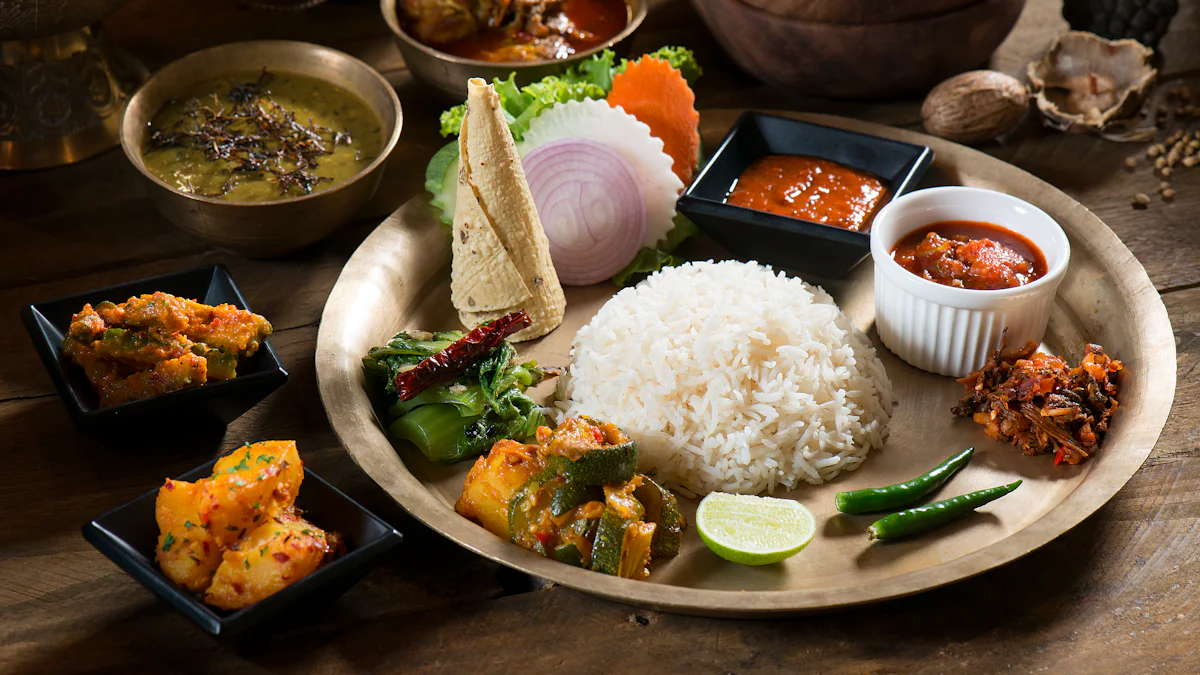
Samay Baji is an ancient traditional Newari dish, served during festivals and celebrations, highlighting its cultural significance in the Newar community.
Samay Baji (ceremonial platter)
Samay Baji is a feast for the senses and the soul. This ceremonial platter includes beaten rice, puffed rice, black soybeans, spicy potatoes, and achar (pickle). It’s often accompanied by meat dishes like Chhoyalā (grilled buffalo meat) and Wo (lentil cakes). Each component represents a blessing, making it a dish of new beginnings. You’ll find Samay Baji at festivals, weddings, and other joyous occasions, showcasing the diversity of Newar cuisine.
Snacks and Beverages
Aila (traditional liquor)
Aila is a potent traditional liquor that’s an integral part of Newar hospitality. Distilled from rice or millet, it has a strong, smooth flavor with a hint of sweetness. Aila is often served in small clay cups during feasts and ceremonies, symbolizing warmth and generosity. It pairs wonderfully with spicy snacks, enhancing the overall dining experience.
Wo (savory lentil patties)
Wo, also known as lentil patties, is a simpler cousin of Bara. Made from ground lentils, it’s lightly spiced and pan-fried until golden. Wo is a common offering during rituals and festivals, symbolizing purity and nourishment. Whether served as a snack or part of a larger meal, it’s a comforting and satisfying bite.
Snacks/Beverages | Description |
|---|---|
Baji | Beaten rice |
Chatānmari | Rice flour crepe |
Chyang | Rice beer, popular at jatras and ceremonies |
Yomari | Sweet dish made with rice flour and filling |
Lakhamari | Hard and crispy sweet, popular dessert |
Cultural Significance of Newar Cuisine
Role in Festivals and Celebrations
Dishes for Yomari Punhi and Indra Jatra
Festivals in Newar culture are incomplete without their iconic dishes. During Yomari Punhi, you’ll find families preparing Yomari, a sweet dumpling made from rice flour and filled with Chaku (molasses) or Khuwa. These dumplings symbolize prosperity and are often crafted in various shapes, adding a creative touch to the celebration. Indra Jatra, another major festival, features communal feasts where dishes like Samay Baji take center stage. This ceremonial platter, with its mix of beaten rice, lentil patties, and spicy pickles, reflects the spirit of sharing and togetherness.
Fun Fact: Yomari isn’t just a treat; it’s a cultural icon that brings families together during its preparation.
Feasts and Their Symbolic Meanings
Newar feasts, or Bhoj, are more than just meals—they’re a celebration of unity. These gatherings often feature an array of dishes, each with its own symbolic meaning. For instance, Samay Baji represents blessings and new beginnings, making it a staple at festivals and weddings. Sharing these feasts strengthens community bonds and highlights the importance of food in Newar traditions.
Connection to Rituals and Traditions
Food as Offerings in Religious Ceremonies
In Newar religious practices, food plays a sacred role. Ritual dishes are carefully arranged around staples like beaten rice to honor deities during festivals and life-cycle events. These offerings symbolize respect and gratitude, connecting the community to their spiritual roots.
Symbolism of Specific Dishes
Every dish in Newar cuisine tells a story. Yomari, for example, represents abundance, while lentil patties like Wo signify purity. These symbolic meanings add depth to the cuisine, making it an integral part of rituals and traditions.
Social and Community Aspects
Sharing Meals as a Communal Tradition
Sharing meals is a cornerstone of Newar culture. Communal feasts bring people together, fostering unity and mutual respect. Whether it’s a festival or a family gathering, food serves as a social glue that strengthens relationships.
Hospitality and Its Importance in Newar Culture
Hospitality is deeply ingrained in Newar traditions. Guests are welcomed with elaborate meals, showcasing the community’s generosity. Dishes like Aila, a traditional liquor, are often served as a gesture of warmth and respect. This emphasis on hospitality reflects the cultural richness of Newar cuisine.
Tip: If you ever attend a Newar feast, don’t miss the chance to try Samay Baji. It’s a true representation of their culinary heritage.
Modern Adaptations and Global Influence of Newar Cuisine
Contemporary Innovations
Fusion dishes and modern takes
Newar cuisine has embraced modern culinary trends while staying true to its roots. Chefs have started experimenting with fusion dishes that combine traditional Newar flavors with global influences. For example:
Chatamari, often called the “Nepali pizza,” now features toppings like cheese, mushrooms, and even avocado.
Bara, the savory lentil pancake, is being reimagined with international spices and fillings like sun-dried tomatoes or feta cheese.
Desserts like Yomari are getting a twist with chocolate or fruit-based fillings.
These innovations make Newar dishes more accessible to a global audience while keeping their essence intact. The use of seasonal and locally sourced ingredients ensures that these creations remain fresh and authentic.
Health-conscious adaptations
If you’re health-conscious, you’ll love how Newar cuisine has adapted to modern dietary needs. Many dishes already offer balanced nutrition with a mix of carbs, proteins, and healthy fats. Here’s how they’ve been made even healthier:
Fresh vegetables and legumes are replacing heavier ingredients in some recipes.
Fermented foods like Gundruk and Sinki, known for their gut health benefits, are gaining popularity.
Traditional cooking methods like steaming and slow cooking preserve nutrients while reducing the need for excess oil.
These adaptations make Newar cuisine not just delicious but also a wholesome choice for modern lifestyles.
Global Recognition
Popularity in Nepali restaurants worldwide
Newar cuisine has found its way into Nepali restaurants across the globe. Some of the most popular dishes include:
Bara
Yomari
Lakhamari
Chyang
Samay Baji
Juju Dhau
Gwaramari
Kachila
Choila
Sapu Mhicha
Chatamari
Each dish offers a unique taste of Newar culture, from the sweet richness of Yomari to the tangy kick of Choila. These dishes are not just meals—they’re cultural experiences.
Efforts to preserve and promote Newar cuisine
Preserving Newar cuisine is vital for maintaining its cultural heritage. Chefs and food enthusiasts are working hard to keep these traditions alive. They’re documenting recipes, hosting cooking workshops, and introducing Newar dishes at food festivals worldwide. These efforts ensure that the rich history and flavors of Newar cuisine continue to thrive on a global stage.
Fun Fact: Yomari, a sweet dumpling, has become a symbol of Nepalese culinary pride, often featured in international food events.
Challenges and Opportunities
Balancing tradition with modern trends
The biggest challenge lies in balancing tradition with innovation. While modern twists attract new audiences, it’s essential to preserve the authenticity of Newar cuisine. Chefs must walk a fine line, ensuring that the soul of the cuisine isn’t lost in the process.
Educating the global audience about Newar cuisine
Many people outside Nepal are unfamiliar with Newar cuisine. This presents an opportunity to educate and excite a global audience. Sharing stories behind the dishes, their cultural significance, and unique flavors can spark curiosity and appreciation. Social media, food blogs, and cooking shows are excellent platforms to spread the word.
Tip: If you’re new to Newar cuisine, start with Samay Baji or Chatamari. They’re perfect introductions to this flavorful tradition.
Newar cuisine is more than just food—it’s a celebration of bold flavors, cultural traditions, and a deep connection to history. With over 200 unique dishes, it reflects the Newar community’s rich heritage and their bond with the land. From the tangy kick of fermented Gundruk to the smoky goodness of Choila, every bite tells a story. The balance of sweet, sour, and spicy flavors, combined with techniques like grilling and steaming, makes this cuisine unforgettable.
Why not take a step into this flavorful world? You can try iconic dishes like Yomari or Samay Baji at a local Nepali restaurant or even recreate them at home. By exploring Newar cuisine, you’re not just tasting food—you’re preserving a tradition that deserves to thrive for generations to come.