

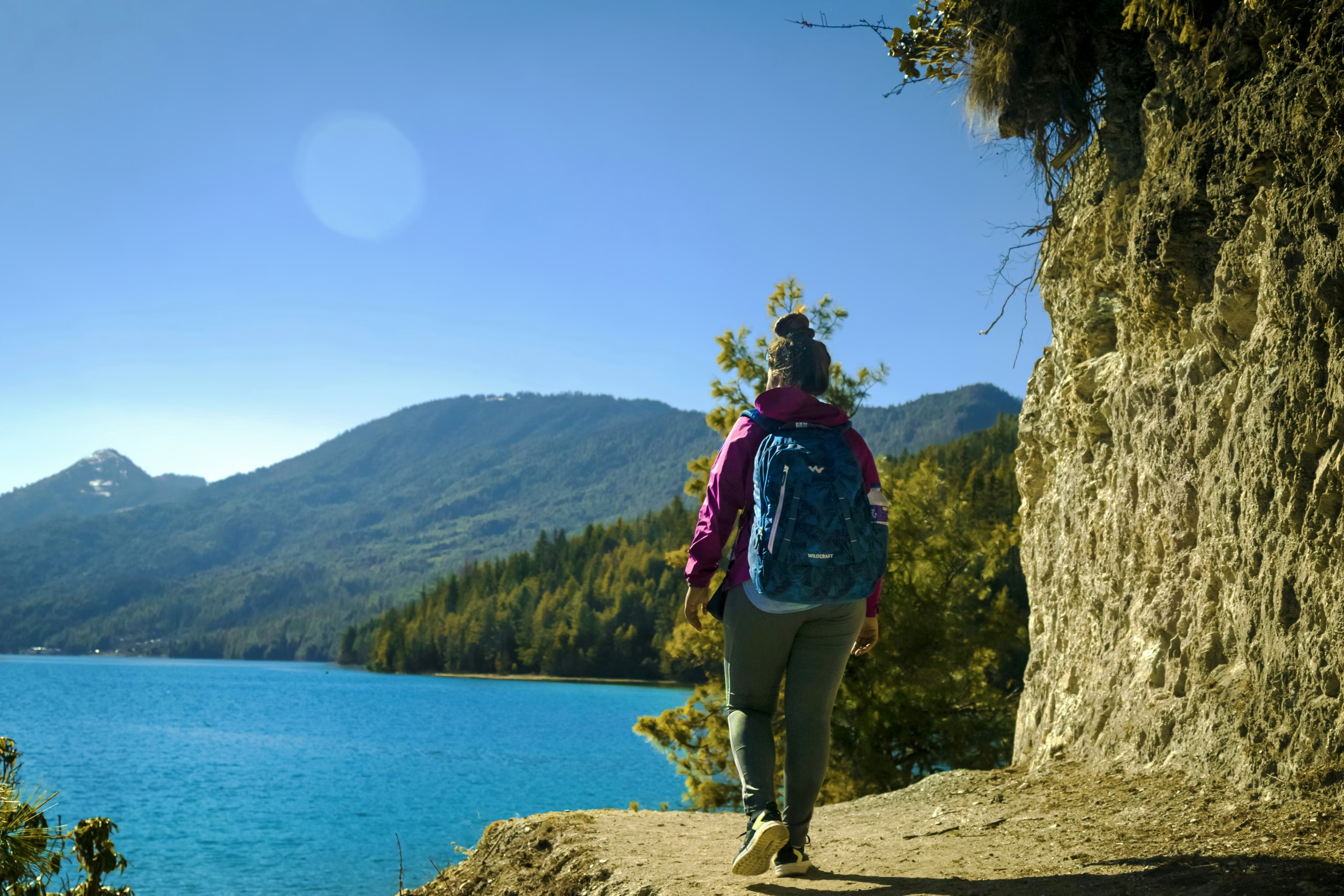
Rara Lake, nestled at an altitude of 2,990 metres, is Nepal’s largest lake is a hidden gem. Its crystal-clear waters mirror the surrounding snow-capped peaks and dense coniferous forests, creating a mesmerising view. You will find the serene environment perfect for reflection and relaxation. Local communities consider the lake sacred, hosting traditional rituals along its shores. This cultural significance adds depth to your journey.
The trek offers untouched nature, diverse landscapes, and rich biodiversity rather than crowded trek like Everest Base Camp Trek , Annapurna Base Camp Trek . You will traverse peaceful trails, encounter unique flora and fauna, and enjoy breathtaking views of forests and meadows. The rara lake trek blog captures this rewarding experience, making it a must-read for adventurers like you.
Key Takeaways
Rara Lake is the biggest lake in Nepal. It has beautiful views and a peaceful place for rest and thinking.
Trek in spring or autumn for the best time. These seasons have cool weather and clear skies.
Get ready for the trek by exercising often. Also, get used to high places before going.
Bring important items like warm clothes, strong shoes, and a first aid kit. These will keep you safe and comfy.
Be kind to local culture. Ask before taking photos and buy from local shops to help the community.
Table of Contents
Overview of Rara Lake
Location and Geography
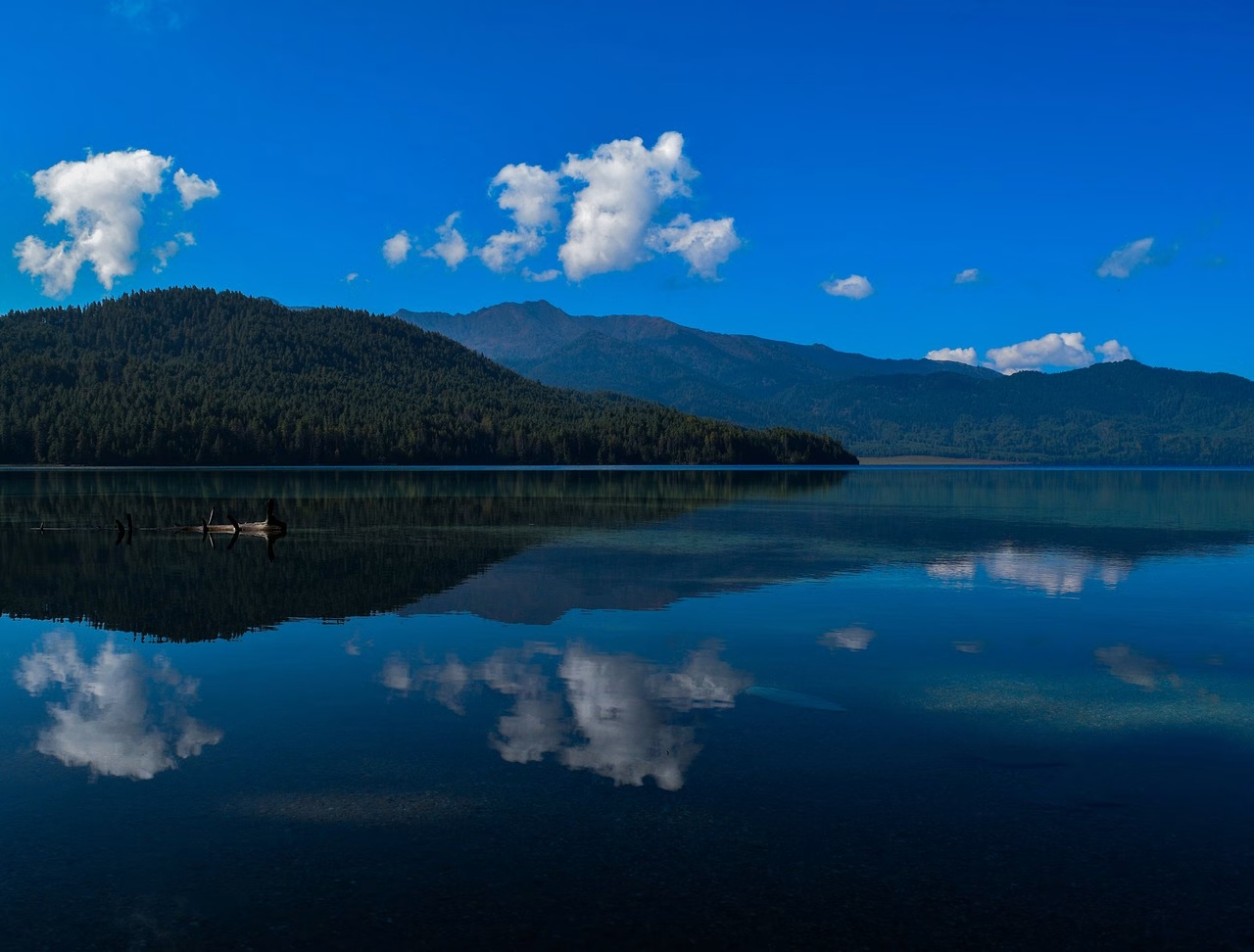
Rara Lake lies in the remote district of Mugu on northwestern Nepal, within the boundaries of Rara National Park. It is the largest freshwater lake in the Nepalese Himalayas, sitting at an elevation of approximately 2,975 metres (9,760 feet) above sea level. The lake spans a surface area of about 10.8 square kilometres (4.2 square miles) and reaches a maximum depth of 167 metres (548 feet).
Surrounding the lake, you will find thickly forested hills, including Chuchemara Danda, which rises to 4,087 metres (13,409 feet), and Murma, standing at 3,630 metres (11,910 feet). These natural features create a stunning backdrop for your trek. The lake’s pristine waters and the untouched wilderness around it make it a geographical gem in Nepal.
Cultural and Ecological Significance
Rara Lake holds deep cultural importance for the local Thakuri and Mugu communities. According to local legends, a divine being created the lake using a dagger. The lake is considered sacred and is believed to house deities and spirits. You may witness traditional rituals and ceremonies performed along its shores, where offerings are made to appease these spiritual guardians. The lake also serves as a pilgrimage site for devotees seeking blessings and spiritual reflection.
Ecologically, Rara Lake is a biodiversity hotspot. It is surrounded by Rara National Park, which protects over 1,074 plant species, 51 mammal species, and 214 bird species. The lake itself is home to three endemic fish species and one endemic frog. The park also shelters endangered animals like the Himalayan black bear and snow leopard, making it a vital area for conservation.
Unique Features of Rara Lake Trek
Largest Lake in Nepal: Trekking to Rara Lake allows you to experience the beauty of Nepal’s largest lake, with its crystal-clear waters reflecting the surrounding mountains.
Less Crowded Trails: Unlike more commercialised trekking routes, the trails to Rara Lake offer peace and solitude, making it ideal for those seeking a quieter adventure.
Seasonal Variations: The lake’s appearance changes with the seasons, offering unique experiences throughout the year.
Rich Biodiversity: The trek takes you through Rara National Park, where you can encounter rare wildlife and diverse plant species.
Cultural Exploration: You will have opportunities to interact with local communities, gaining insight into their traditions and way of life.
The rara lake trek blog highlights these features, making it an invaluable resource for planning your journey.
Rara Lake Trek Blog: Itineraries
Short Rara Lake Trek (7-8 Days)
If you have limited time, the short rara lake trek itinerary offers a compact yet fulfilling experience. This option typically spans 7 to 8 days, including travel to and from the starting point as it depend upon itinerary of the hike . You will begin with a flight to Nepalgunj, followed by another flight to Talcha Airport. From there, the trek to Rara Lake begins. The journey includes scenic trails, a visit to the lake, and a return trek . Best time to do the short rara lake trek is around spring season .
Here’s a quick comparison of the short and long itineraries:
Feature | Short Rara Lake Trek (7-8 Days) | ||
|---|---|---|---|
Duration | 7-8 days | 10-12 days | |
Daily Activities | Moderate trekking, quicker pace | Slower pace, more time for exploration | |
Cost | Starts at USD 550 per person | Starts at USD 1,250 per person | |
Key Activities | Flights, trek to Rara Lake, sightseeing | Flights, trek, cultural exploration, extended stay |
This itinerary is ideal if you want to experience the beauty of Rara Lake without committing to a longer trek.
Long Itinerary (10-12 Days)
The long itinerary provides a more immersive experience. Over 10 to 12 days, you will have more time to explore the region’s natural and cultural richness. This option includes additional days for acclimatisation, extended hikes, and visits to nearby villages. You will also have opportunities to interact with local communities and learn about their traditions.
This itinerary suits trekkers who prefer a slower pace and wish to delve deeper into the region’s beauty. It allows you to fully appreciate the tranquillity of Rara Lake and its surroundings.
Flexible Options for Different Schedules
If neither the short nor the long itinerary fits your schedule, you can customise your trek. Here are some flexible options to consider as per our guide to rara lake trek :
Tailor your itinerary to match your preferences and time constraints.
Join fixed group tours for a structured trekking experience.
Arrange private trips for a personalised adventure.
These options ensure that the rara lake trek blog caters to a wide range of schedules and preferences. Whether you have a week or two, you can plan a trek that suits your needs.
Trek Difficulty and Preparation
Difficulty Level and Suitability
The Rara Lake trek is classified as moderately challenging. Hike to rara lake suits trekkers with a reasonable level of fitness, including beginners. If you have minimal trekking experience, consider starting with shorter routes or opting for guided treks. These options can help you build confidence and ensure a safer journey.
The trails involve gradual ascents and descents, making them manageable for most people. However, the remote location and changing weather conditions require preparation. You should assess your fitness level and choose an itinerary that matches your capabilities.
Tip: Guided treks provide expert support and local knowledge, making them an excellent choice for first-time trekkers.
Physical and Mental Preparation
Proper preparation is essential for a successful trekking in nepal . You should focus on building your physical endurance and mental resilience. Regular cardiovascular exercises such as running, swimming, or cycling can improve your stamina. Strengthening your legs with hikes that include elevation gains will prepare you for the uneven terrain.
Additionally, plan your itinerary to allow gradual acclimatisation to higher altitudes. This approach reduces the risk of altitude sickness. Equip yourself with proper gear to handle changing weather and temperatures. Mental preparation is equally important. Stay positive and adaptable to overcome challenges during the trek.
Note: Packing the right equipment, including sturdy footwear and layered clothing, ensures comfort and safety throughout the journey.
Training Tips for Beginners
If you are new to trekking, start preparing several weeks before your trip. Engage in regular cardiovascular activities like jogging, walking, or cycling. Incorporate exercises that target your core and legs to build strength. Practice hiking on trails with elevation gains to simulate the trek’s conditions.
During the trek, listen to your body. Maintain a steady pace and stay hydrated. Avoid rushing, as it can lead to exhaustion. Gradual acclimatisation is key to enjoying the experience without health issues.
Tip: Take short breaks during the trek to rest and enjoy the stunning views of the Rara Lake region.
The rara lake trek blog provides valuable insights to help you prepare effectively and make the most of your adventure.
Best Time to Visit Rara Lake
Seasonal Overview
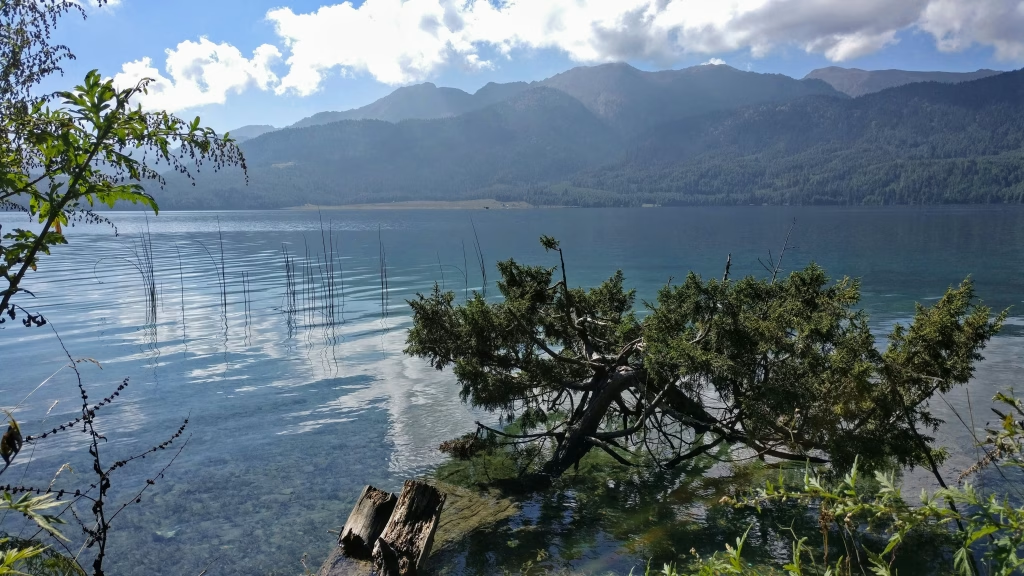
Rara Lake offers a unique experience in every season. Spring (March to May) brings mild temperatures ranging from 10°C to 20°C. You will enjoy clear skies and trails adorned with blooming rhododendrons. Autumn (September to November) mirrors spring with stable weather and vibrant vegetation. Winter (December to February) transforms the region with heavy snowfall and freezing temperatures, making trekking challenging. Monsoon (June to August) introduces torrential rains, slippery trails, and foggy conditions, but the surrounding greenery becomes lush and vibrant.
Each season has its charm, but spring and autumn stand out as the most favourable times for trekking.
Weather Conditions by Month
The weather at Rara Lake varies significantly throughout the year. Here is a quick overview:
Month | Mean Max Temperature (°C) | Average Precipitation (mm) |
|---|---|---|
January | 7.5 | 20 |
June | 21.6 | 134 |
July | 20.5 | 192.4 |
Spring and autumn months offer mild temperatures and minimal rainfall, ensuring a comfortable trekking experience. In contrast, winter months bring extreme cold, while monsoon months see the highest precipitation, making trails slippery and visibility poor.
Choosing the Right Season for Your Trek
Spring and autumn are the best seasons for trekking to Rara Lake. During spring, you will encounter sunny days, stable weather, and vibrant wildflowers along the trails. Temperatures remain mild, ranging from 10°C to 20°C, making the trek enjoyable. Autumn offers similar conditions, with clear skies and excellent mountain views. Post-monsoon stability enhances the trekking experience, allowing you to fully appreciate the beauty of the lake and its surroundings.
Winter and monsoon seasons are less ideal. Heavy snowfall in winter makes trails inaccessible, while monsoon rains create muddy paths and obscure views. If you want to make the most of your journey, plan your trek during spring or autumn.
The rara lake trek blog highlights these seasonal variations, helping you choose the perfect time for your adventure.
Packing Essentials for Rara Lake Trek
Clothing and Footwear
Packing the right clothing and footwear is crucial for a comfortable trek to Rara Lake. You should prioritise lightweight, quick-drying pants and shirts for daytime hikes. Warm layers, such as a fleece jacket or pullover, are essential for colder temperatures, especially during mornings and evenings. A rain jacket or poncho will protect you from unexpected showers.
For footwear, invest in sturdy hiking boots that provide ankle support and grip. Comfortable trekking socks will prevent blisters and keep your feet dry. Carry a pair of sandals or flip-flops for rest breaks or evenings at your accommodation. Don’t forget accessories like a hat and gloves to shield yourself from the cold.
Tip: Pack 3-4 pairs of trekking shirts and trousers to ensure you have clean options throughout the trek.
Trekking Gear and Equipment
Proper trekking gear enhances your safety and convenience during the journey. A reliable trekking jacket, insulated layers, and waterproof outerwear are must-haves. You should also carry a refillable water bottle to stay hydrated and snacks for energy.
Navigation tools, such as a map or GPS device, will help you stay on track. Sun protection items, including sunscreen, sunglasses, and a brimmed hat, are essential for shielding yourself from UV rays. A camera with extra batteries will allow you to capture the stunning vistas of Rara Lake.
Note: A basic first aid kit and personal medications should always be part of your trekking gear.
Personal Items and First Aid Kit
Your personal items and first aid supplies can make a significant difference in your trekking experience. A sleeping bag rated for freezing temperatures will keep you warm at night. Carry a headlamp or flashlight with extra batteries for navigating in the dark.
For first aid, include blister plasters, gauze pads, and alcohol wipes to treat minor injuries. Sterile gloves and safety pins are useful for securing bandages. Don’t forget personal toiletries like hand sanitiser, toilet paper, and prescription medications.
Tip: Keep cash and travel documents in a waterproof pouch to protect them from moisture.
Packing these essentials ensures you are well-prepared for the challenges of the trek. The rara lake trek blog provides further insights into making your journey safe and enjoyable.
Permit Requirements and Cultural Considerations
Necessary Permits for the Trek
Before starting your trek to Rara Lake, you must secure the required permits. These include:
A TIMS (Trekkers’ Information Management System) card, which is mandatory for all trekkers in Nepal.
A Rara National Park entry permit, granting access to the protected area surrounding the lake.
You can obtain these permits through trekking agencies in Kathmandu or Pokhara. Alternatively, you may acquire them directly at the trek’s entry points. Ensure you carry these documents throughout your journey, as officials may request them at checkpoints.
Tip: Keep photocopies of your permits and identification documents in case of loss or damage.
How to Obtain Permits
Obtaining the necessary permits is a straightforward process. If you prefer convenience, visit a trekking agency in Kathmandu or Pokhara. These agencies handle the paperwork and guide you through the process. For a more hands-on approach, you can purchase permits at the entry points of the trek.
When applying, you will need:
A valid passport.
Passport-sized photographs.
The required fees for each permit.
Processing times are usually quick, allowing you to focus on preparing for your adventure.
Note: Verify the latest permit fees and requirements before your trip, as these may change over time.
Respecting Local Culture and Traditions
Rara Lake holds deep cultural and spiritual significance for the local communities. The lake is considered sacred, with locals believing it is inhabited by deities and spirits. Rituals and ceremonial offerings are often performed along its shores to honour these spiritual guardians.
To show respect for the local culture, follow these guidelines:
Seek permission before photographing locals or their homes.
Avoid interrupting daily routines or ceremonies.
Support the local economy by purchasing handmade crafts and products.
By observing these practices, you contribute to preserving the traditions and livelihoods of the communities you encounter.
Tip: Engage with locals respectfully and learn about their customs to enrich your trekking experience.
Transportation Options to Rara Lake
How to get to rara lake
To begin your trek to Rara Lake, you must first reach the starting point, which is typically Nepalgunj or Jumla. You can choose between flights and road travel, depending on your budget, schedule, and preference. Below is a summary of the available transportation options:
Mode of Transport | Route | Duration | Cost |
|---|---|---|---|
Flight | Kathmandu to Nepalgunj | 60 mins | Approx. $150-200 |
Flight | Nepalgunj to Jumla | 35 mins | Included in above |
Bus | Kathmandu to Nepalgunj | 8-10 hours | $12 |
Bus | Pokhara to Nepalgunj | 15-18 hours | $12 |
Shared Jeep | Nepalgunj to Jumla | 9-12 hours | 2000 NPR/18 USD |
Local Bus | Jumla to Gamghadi | 12+ hours | Varies |
Shared Jeep | Jumla to Gamghadi | Half the time | Varies |
Flights provide the quickest route, while road travel offers a more budget-friendly option.
Flights and Road Travel
Flights are the fastest and most convenient way to reach Rara Lake. You can fly from Kathmandu or Pokhara to Nepalgunj, followed by a connecting flight to Jumla or Talcha. This option saves time and allows you to spend more days exploring the lake. Aerial views of the Himalayas during the flight add to the experience. However, flights are more expensive and may not suit every budget.
Road travel, on the other hand, offers an adventurous journey through Nepal’s rural landscapes. You can take a bus or shared jeep from Kathmandu or Pokhara to Nepalgunj and continue to Jumla or Gamghadi. This option is more affordable and provides cultural exposure along the way. However, the journey can be long and uncomfortable due to rough roads and multiple transfers.
Tip: If you have limited time, choose flights. For a more immersive experience, opt for road travel.
Local Transportation in the Region
Once you reach Jumla or Gamghadi, you will need local transportation to get closer to the trekking trails. Shared jeeps are a popular choice as they are faster than local buses. These jeeps take you to nearby villages, reducing your trekking distance. Local buses are another option, but they take longer and may not operate on a fixed schedule.
Note: Always confirm the availability of local transport in advance, as services may vary depending on the season and weather conditions.
By understanding these transportation options, you can plan your journey to Rara Lake efficiently and enjoy a smooth start to your trek.
Accommodation and Meals During the Trek
Types of Accommodation Available
During the Rara Lake trek, you will find basic yet comfortable accommodation options. These include tea houses, lodges, and hotels. Tea houses, often built from wood and stone, are run by local families. They provide warm beds and meals, creating a cosy atmosphere. Lodges offer single or double rooms with basic facilities, such as mattresses and blankets. Dining areas in these lodges often feature a fire to keep you warm. Hotels are available at the starting points of the trek, offering slightly better amenities.
Type | Description |
|---|---|
Hotel | Basic hotel accommodation available at the start of the trek. |
Tea Houses | Small wooden and stone houses run by locals, providing meals and warm beds. |
Lodges | Family-run lodges offering single and double rooms with basic facilities. |
Facilities along the route are simpler compared to popular trekking regions. Toilets may be located outside, and hot water is often unavailable.
Food Options and Availability
Food options during the trek are simple but sufficient. You will find Nepalese Dal Bhat, a staple meal consisting of steamed rice, mixed vegetables, and lentil soup. Lodges around the lake also serve fries and masala chi. Breakfast options include bread, oats, fruits, and pancakes.
In Kathmandu and Nepalgunj, you can enjoy a variety of cuisines, including Indian, Chinese, Italian, and Nepalese. However, once you leave Nepalgunj, choices become limited. Stocking up on canned foods and snacks before starting the trek is advisable.
Tip: Dal Bhat is a reliable and nutritious choice to keep your energy levels up during the trek.
Tips for Staying Comfortable and Healthy
To stay comfortable and healthy, drink plenty of water to avoid dehydration. Use proper trekking boots with ankle support to prevent injuries. Be aware of altitude sickness symptoms and follow the “climb high, sleep low” rule for acclimatisation.
Maintain personal hygiene with hand sanitiser and wet wipes. Prepare for rapidly changing weather by packing appropriate clothing. Listen to your body and descend if altitude sickness symptoms worsen.
Note: Staying hydrated and maintaining a steady pace will help you enjoy the trek without unnecessary strain.
Planning a trek to Rara Lake requires careful preparation. Choose the right season, such as spring or autumn, for the best weather. Pack essentials like warm clothing, waterproof layers, and a first aid kit. Obtain permits, including the TIMS card and Rara National Park entry permit, before starting your journey. Stick to marked trails, travel in groups, and acclimatise properly to avoid altitude sickness. Exploring the tranquillity of Rara Lake offers a unique adventure. The rara lake trek blog provides all the guidance you need for a safe and unforgettable experience.
Tip: Inform someone of your itinerary and expected return to ensure safety.
FAQ
1. How fit do you need to be for the Rara Lake trek?
You need a moderate level of fitness. Regular walking or light exercise before the trek helps. Beginners can manage the trek with preparation. Focus on building stamina and leg strength.
Tip: Start training at least 4-6 weeks before your trek for the best experience.
2. Is altitude sickness a concern during the trek?
Yes, altitude sickness can occur as Rara Lake sits at 2,990 metres. Acclimatisation is key. Walk at a steady pace and stay hydrated. Watch for symptoms like headaches or nausea.
Note: If symptoms worsen, descend immediately and seek medical help.
3. Can you trek to Rara Lake without a guide?
Yes, you can trek independently. However, hiring a guide ensures safety and enhances your experience. Guides provide local insights and help navigate remote trails.
Tip: If you are new to trekking, consider hiring a guide for added support.
4. What is the cost of the Rara Lake trek?
The cost varies based on your itinerary and preferences. A short trek costs around $550, while a longer one may reach $1,250. This includes permits, accommodation, and meals.
Tip: Budget extra for snacks, tips, and unforeseen expenses.
5. Are there ATMs or shops along the trek?
No, ATMs and shops are scarce in the region. Carry enough cash for the entire trek. Stock up on essentials like snacks and toiletries before leaving Nepalgunj or Jumla.
Note: Keep your cash in a waterproof pouch to protect it from moisture.