

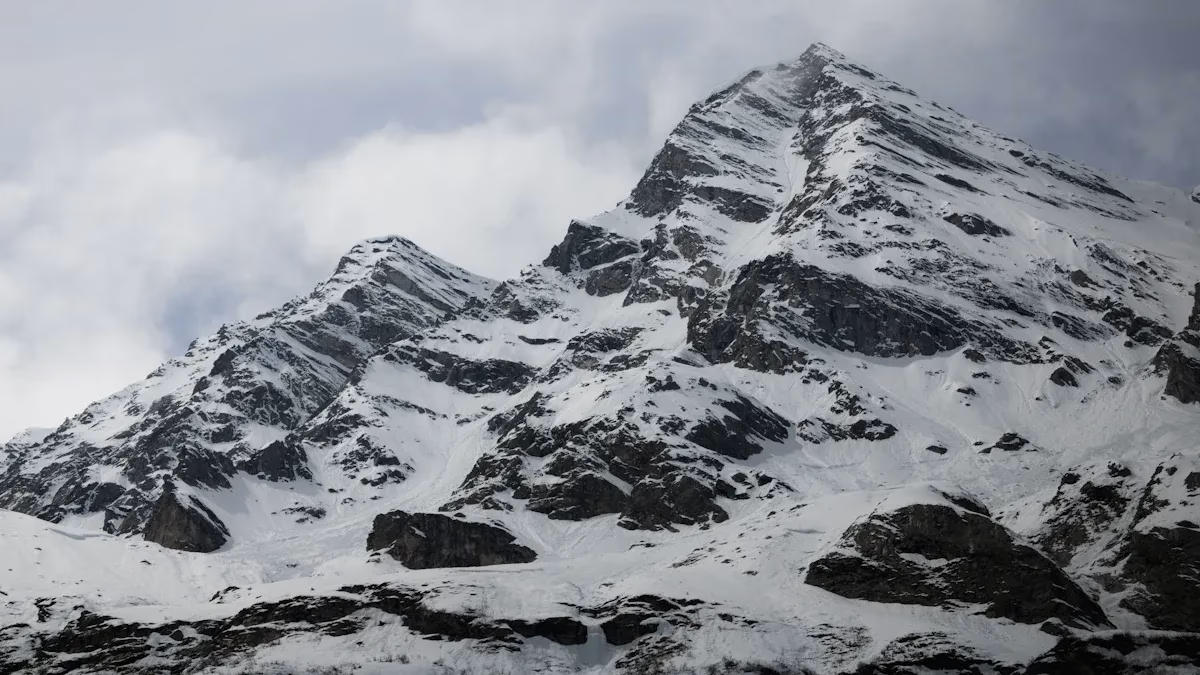
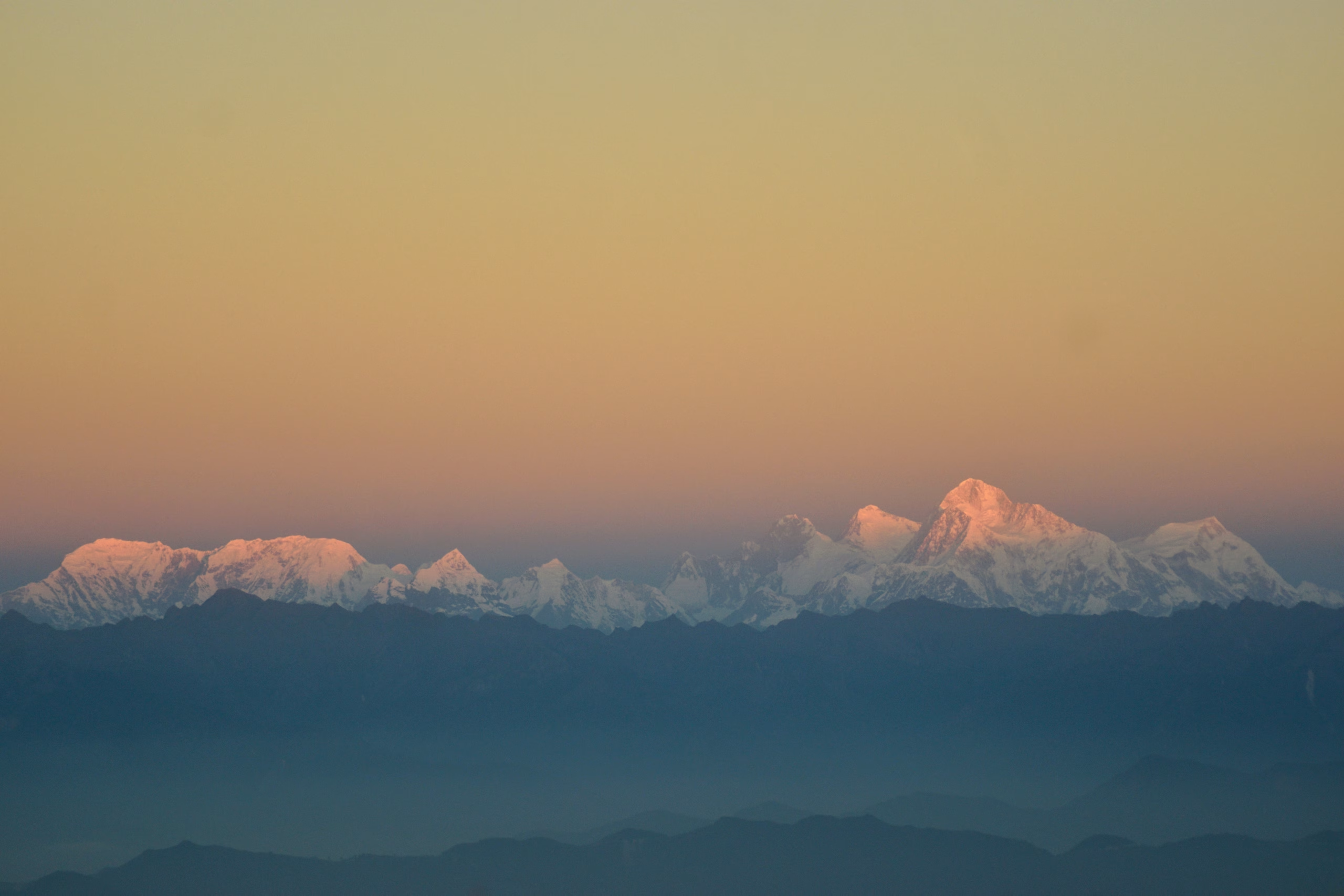
Are you dreaming of an unforgettable trekking adventure in Nepal? The upper dolpo trek offers a remote and rugged journey, perfect for those craving a challenge and a deep dive into Tibetan-influenced culture. On the other hand, the Lower Dolpo Trek is your go-to option if you want a shorter, more accessible route with jaw-dropping natural beauty. Both treks promise unique experiences, but your choice depends on what excites you most—cultural immersion or scenic wonders.
Key Takeaways
Pick Upper Dolpo for a tough trek with tall mountain passes and Tibetan traditions. It suits skilled hikers who like being alone.
Choose Lower Dolpo if you want a shorter, easier trek with amazing scenery. It works well for all kinds of trekkers.
Plan your trip during the best times: fall (September to November) for both areas, or spring (March to May) for Lower Dolpo’s colorful views.
Spend smartly: Upper Dolpo costs more for permits and needs extra planning. Lower Dolpo is cheaper and has better services.
Stay safe: adjust to the height, drink water often, and pay attention to your body for a safe trek.
Table of Contents
Accessibility and Permits
How to Reach Upper Dolpo
Reaching Upper Dolpo is no small feat, but the journey is part of the adventure. You’ll first need to fly from Kathmandu to Nepalgunj, followed by another flight to Juphal, the starting point of the trek. From there, the trail takes you through remote and rugged terrain, with high-altitude passes that demand both physical endurance and mental determination. This trek is best suited for experienced adventurers who thrive on challenges and are prepared for the isolation of the region.
How to Reach Lower Dolpo
Lower Dolpo is more accessible and offers a smoother start to your trekking experience. Like Upper Dolpo, you’ll begin with flights from Kathmandu to Nepalgunj and then to Juphal. However, the trails in Lower Dolpo are less demanding, with lower passes and wider valleys. You’ll find it easier to navigate, making it a great choice if you’re looking for a moderate trek with stunning views of Phoksundo Lake and surrounding landscapes.
Tip: If you’re short on time or prefer a less strenuous trek, Lower Dolpo is the way to go. Its trails are more forgiving, and the region has better facilities compared to Upper Dolpo.
Permit Costs and Requirements
Permits are essential for trekking in both regions, but the costs and requirements differ significantly. Here’s a quick breakdown:
Region | Permit Cost (USD) |
|---|---|
Lower Dolpo | $20 per person per week + $5 per extra day |
Upper Dolpo | $500 for the first 10 days + $50 per day thereafter |
For the upper dolpo trek, the higher permit cost reflects the region’s remoteness and the need for stricter regulations. Lower Dolpo, on the other hand, has more lenient requirements, making it a more budget-friendly option.
Trekking Duration and Difficulty
Duration of the Upper Dolpo Trek
The Upper Dolpo trek is one of Nepal’s longest and most demanding treks. It typically takes 18 to 24 days to complete, depending on your pace, fitness level, and weather conditions. The trek covers approximately 220 kilometers, with daily walks ranging from 5 to 8 hours. You’ll cross several high-altitude passes, some exceeding 5,000 meters, which adds to the time required. The rugged terrain and remote location mean you’ll need to plan for extra days in case of delays due to weather or altitude-related issues. This trek is perfect if you’re looking for an extended adventure that tests your endurance.
Duration of the Lower Dolpo Trek
The Lower Dolpo trek is shorter and more manageable, making it a great option if you’re pressed for time. On average, it takes about 18 days to complete. The trails are less rugged, and the altitude is lower compared to the Upper Dolpo trek. Popular routes like the Phoksundo Lake Trek offer breathtaking views without the need for extended trekking days. This trek is ideal if you want a taste of Dolpo’s beauty without committing to a month-long journey.
Trek Type | Average Duration |
|---|---|
Upper Dolpo Trek | 18-24 days |
Lower Dolpo Trek | 18 days |
Comparing Difficulty Levels
The Upper Dolpo trek is significantly more challenging than the Lower Dolpo trek. You’ll face steep ascents, high passes, and unpredictable weather. The high altitude increases the risk of altitude sickness, so you’ll need to be physically and mentally prepared. In contrast, the Lower Dolpo trek offers gentler slopes and denser vegetation, making it more accessible for trekkers with basic fitness. If you’re an experienced trekker seeking a challenge, the Upper Dolpo trek is your best bet. But if you prefer a moderate trek with stunning landscapes, Lower Dolpo is the way to go.
Tip: Always acclimatize properly and listen to your body, especially on high-altitude treks like Upper Dolpo.
Scenery and Natural Beauty
Highlights of Upper Dolpo’s Landscapes
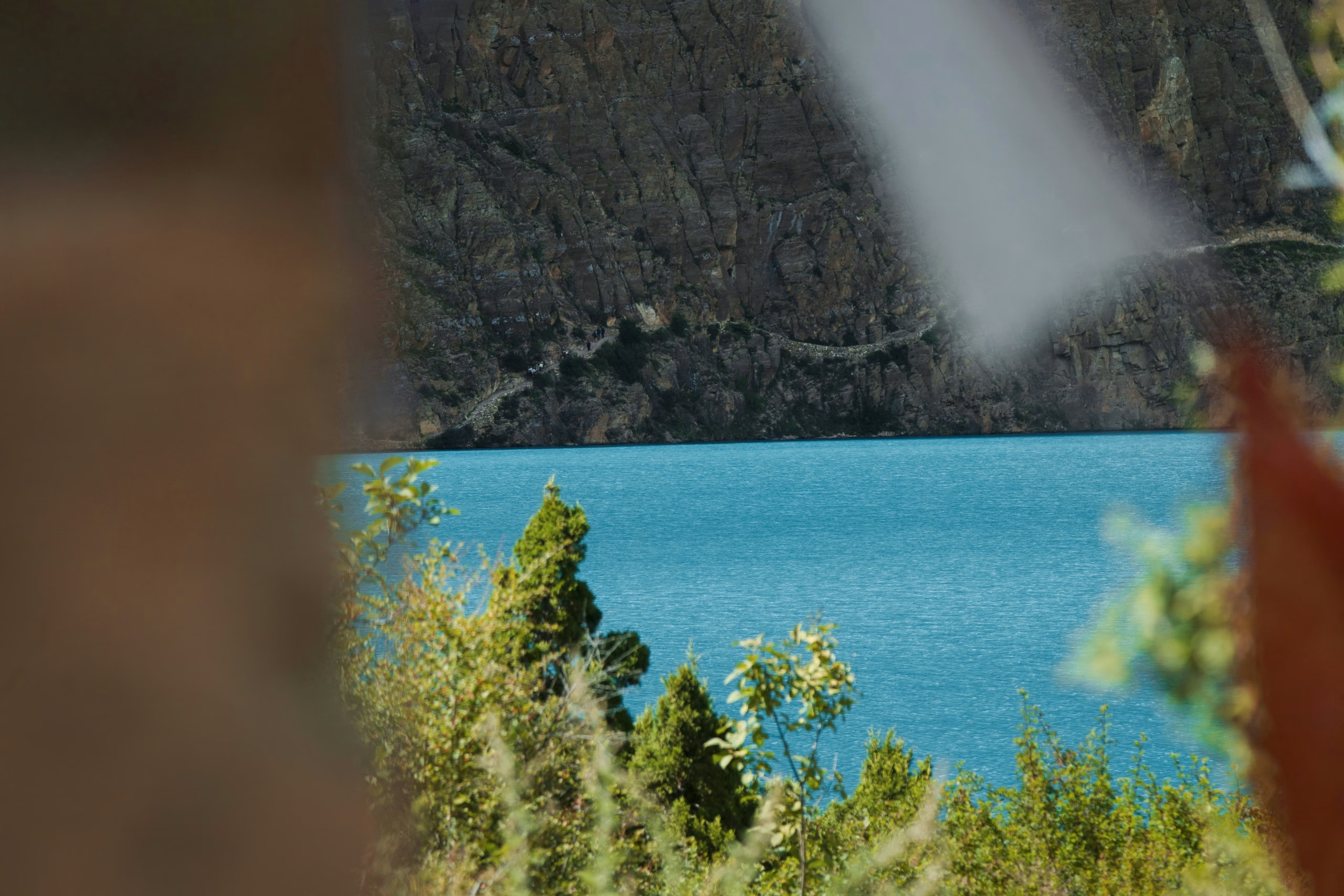
Upper Dolpo offers a raw and rugged beauty that feels like stepping into another world. The region is known for its barren, desert-like landscapes, which are framed by the towering Dhaulagiri peak. You’ll also encounter Shey Phoksundo Lake, a stunning turquoise gem surrounded by sheer cliffs. This lake is one of the most breathtaking sights in Nepal.
One of the iconic landmarks of this region is Shey Gompa, also known as the “Crystal Monastery.” It’s a spiritual pilgrimage site located near Crystal Mountain.
As you trek through Upper Dolpo, you’ll pass ancient monasteries, traditional villages, and yak caravans. These elements, combined with the isolation of the area, create a truly unique experience.
Highlights of Lower Dolpo’s Landscapes
Lower Dolpo, in contrast, is a lush paradise. The region is famous for its dense forests, green valleys, and the magnificent Phoksundo Lake. This lake, with its vibrant blue waters, is a must-see and offers some of the best photo opportunities in the area.
The trails here are surrounded by vegetation, making the scenery feel alive and vibrant. You’ll also enjoy views of cascading waterfalls and rolling hills. Lower Dolpo’s landscapes are more accessible but no less stunning than those of Upper Dolpo.
Unique Features of Each Trek
Each trek has its own charm. Upper Dolpo stands out for its high-altitude passes, barren terrain, and spiritual landmarks like Shey Gompa. The region’s isolation and lack of motorable roads make it feel like a hidden gem.
Upper Dolpo:
Desert-like landscapes
Ancient monasteries and yak caravans
Views of Dhaulagiri peak
Lower Dolpo:
Lush valleys and dense forests
Stunning Phoksundo Lake
Easier trails with more vegetation
If you’re drawn to dramatic, remote landscapes, the upper dolpo trek is your ideal choice. But if you prefer greener scenery and a more relaxed trek, Lower Dolpo will win your heart.
Cultural and Heritage Experiences
Spiritual and Cultural Depth of Upper Dolpo
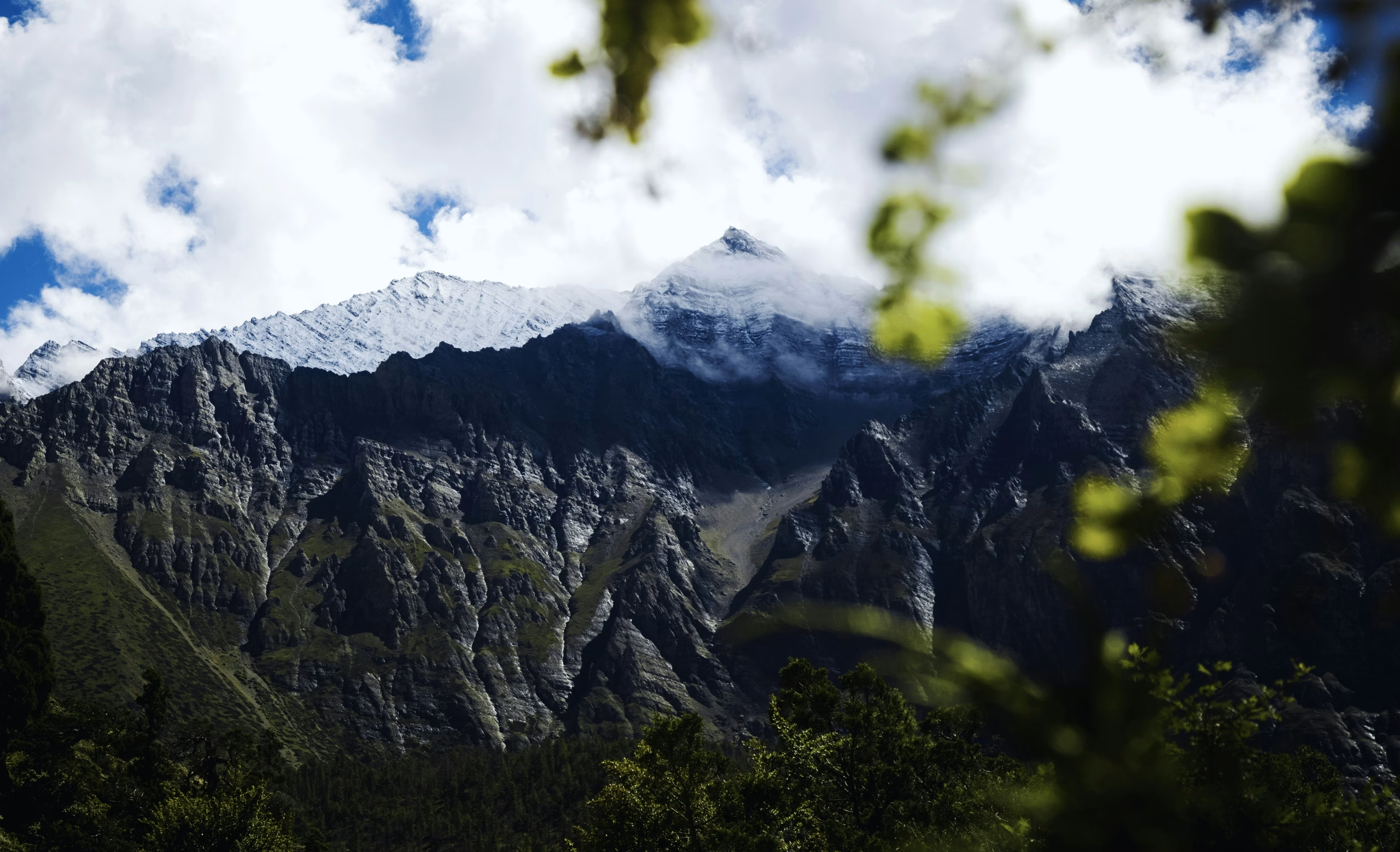
Upper Dolpo is often called “Nepal’s Hidden Treasure,” and for good reason. Its remoteness has preserved a unique cultural identity that feels untouched by time. Tibetan Buddhism plays a central role in the lives of the Dolpo-pa people. You’ll notice this in the ancient monasteries, prayer flags fluttering in the wind, and the rhythmic chants of monks. Shey Gompa, a monastery dating back to the 11th century, stands as a spiritual beacon. It’s not just a place of worship but also a pilgrimage site for Buddhists worldwide.
The region’s traditions are deeply rooted in its nomadic lifestyle. Families migrate seasonally with their livestock, a practice that has shaped their way of life for centuries. Festivals like the Shey Gompa Festival bring the community together with vibrant masked dances and rituals. These celebrations offer a glimpse into their spiritual depth and cultural richness.
Cultural Highlights of Lower Dolpo
Lower Dolpo offers a fascinating blend of Tibetan and Hindu influences. This mix is evident in the region’s festivals, architecture, and daily life. Shey Phoksundo Lake, considered sacred, is surrounded by Buddhist monasteries and chortens. You’ll find the locals celebrating festivals like Buddha Jayanti and Sonam Losar with traditional dances and communal gatherings. These events are perfect opportunities to experience the warmth and hospitality of the Dolpo people.
The region’s architecture reflects its harsh environment. Stone and wood houses stand resilient against the elements, showcasing the ingenuity of the locals. You’ll also come across markets filled with handcrafted items like woven textiles and wood carvings, which make for meaningful souvenirs.
Festivals and Traditions in the Dolpo Region
Festivals in Dolpo are more than just celebrations—they’re a way of life. In Upper Dolpo, the Shey Festival, held every twelve years, is a major event. Pilgrims circumambulate the Crystal Mountain, a sacred site, as part of the festivities. Other notable festivals include Losar, the Tibetan New Year, and Yungney, a 16-day ritual focused on spiritual teachings.
In Lower Dolpo, festivals like Chaite Dashain and Tihar bring communities together. These events feature traditional dances, family gatherings, and religious ceremonies. Whether you’re in Upper or Lower Dolpo, these festivals offer a deeper connection to the region’s heritage.
Tip: If you’re planning your trek around festival dates, you’ll get to witness these vibrant traditions firsthand.
Cost and Facilities
Trekking Costs in Upper Dolpo
Trekking in Upper Dolpo is an investment in adventure. The costs here are higher due to the region’s remoteness and strict permit regulations. Here’s a breakdown of what you can expect:
Permit Fees: The restricted area entry permit costs $500 for the first 10 days and $50 for each additional day.
Guide Services: Hiring a guide is essential. Their daily fee ranges from $40 to $50, plus $30 for insurance.
Accommodation and Food: Expect to spend around $40 per day for food and lodging for two people.
You’ll also need to budget for flights to Nepalgunj and Juphal, as well as extra nights in Kathmandu and Nepalgunj. The overall cost reflects the logistical challenges of trekking in such a remote area.
Trekking Costs in Lower Dolpo
Lower Dolpo is a more budget-friendly option compared to its upper counterpart. The permit fee is significantly lower at $20 per person per week, with an additional $5 for each extra day. This difference alone makes the Lower Dolpo trek more accessible for many travelers.
Guides and porters are still recommended, with similar daily rates as in Upper Dolpo. However, the trails here are less demanding, which might reduce the need for extensive support. Accommodation and food costs are comparable, but the shorter duration of the trek can help you save money.
Tip: If you’re looking for a more affordable trek without compromising on stunning landscapes, Lower Dolpo is a great choice.
Accommodation and Food Options
Both Upper and Lower Dolpo offer a mix of accommodation types, depending on your route and preferences. Here’s what you can expect:
Type of Accommodation | Description |
|---|---|
Teahouses | Basic shared rooms and bathrooms along popular routes. |
Camping | Requires personal tents and gear, with campsites arranged by your guide. |
Private Accommodation | Available in some villages, offering a chance to experience local culture. |
Lodges | More comfortable options with private rooms and en-suite bathrooms. |
Food options are simple but hearty. During the trek, you’ll mostly eat rice, noodles, and seasonal vegetables. Meals in Kathmandu and Nepalgunj offer more variety, but they come at a higher cost.
Whether you choose the upper dolpo trek or Lower Dolpo, the facilities are basic but sufficient for an unforgettable adventure.
Weather and Best Seasons
Best Time to Visit Upper Dolpo
If you’re planning the upper dolpo trek, timing is everything. The best months to visit are during autumn, from September to November. This season offers the most stable weather conditions, making it ideal for trekking.
Clear skies and dry trails create the perfect environment for long hikes.
The post-monsoon freshness enhances the landscape, giving you vibrant autumn colors and crisp mountain views.
Temperatures are mild during the day, and the nights, though chilly, are manageable with proper gear.
Autumn also provides excellent opportunities for photography. The golden hues of the terrain, combined with the snow-capped peaks, make every frame a masterpiece.
Best Time to Visit Lower Dolpo
Lower Dolpo is more forgiving when it comes to weather. While autumn (September to November) remains the best season here as well, you can also consider trekking in spring (March to May). During these months, the trails come alive with blooming rhododendrons and lush greenery.
Spring offers moderate temperatures and longer daylight hours, making it easier to cover more ground.
Autumn, on the other hand, provides clearer skies and drier trails, perfect for uninterrupted trekking.
If you’re looking for flexibility, Lower Dolpo’s milder weather gives you more options to plan your adventure.
Weather Challenges in Each Region
Trekking in Dolpo comes with its share of weather challenges. In Upper Dolpo, the conditions can be extreme. The region lies in a rain shadow, so summers are dry, but winters bring heavy snowfall and freezing temperatures.
Expect rapid temperature changes between day and night.
Sudden snow, rain, or hailstorms can occur, especially at high-altitude passes.
Strong winds and long days of walking in rugged terrain add to the difficulty.
Lower Dolpo, by contrast, has more moderate weather. Summers may bring occasional rain, but the trails are generally easier to navigate. However, unpredictable weather patterns, like sudden storms, can still catch you off guard.
Region | Weather Characteristics |
|---|---|
Upper Dolpo | Extreme conditions, heavy snowfall, freezing temperatures in winter, dry in summer due to rain shadow. |
Lower Dolpo | More moderate weather, occasional rain in summer. |
No matter which trek you choose, always prepare for sudden weather changes. Packing the right gear and staying informed about local conditions will make your journey safer and more enjoyable.
Crowds and Trail Conditions
Trail Conditions in Upper Dolpo
The trails in Upper Dolpo are rugged, remote, and challenging. You’ll find yourself trekking through high-altitude passes, steep ascents, and rocky terrain. The region’s towering peaks and deep gorges create a dramatic landscape, but they also demand a lot from you physically. At times, the weather can be extreme, with sudden changes that test your endurance. This trek is best suited for experienced adventurers who enjoy pushing their limits.
The lack of vegetation in Upper Dolpo adds to its stark beauty but also makes the trails feel more exposed. You’ll need to prepare for long days of walking with limited access to facilities. If you’re up for the challenge, the rewards are immense—breathtaking views and a sense of accomplishment like no other.
Trail Conditions in Lower Dolpo
Lower Dolpo offers a more forgiving trekking experience. The trails here are at a lower elevation, averaging around 3,000 meters above sea level. You’ll walk through gentler slopes surrounded by lush alpine and sub-alpine vegetation. The paths are easier to navigate, making this trek accessible even if you’re not an experienced hiker.
The region’s greenery and vibrant landscapes create a refreshing atmosphere. You’ll pass through dense forests, rolling hills, and picturesque valleys. The trails are well-defined, and the milder weather makes your journey more comfortable. If you’re looking for a trek that combines natural beauty with manageable conditions, Lower Dolpo is a fantastic choice.
Comparing Crowd Levels
When it comes to crowds, Upper Dolpo offers unmatched solitude. Its challenging terrain and higher elevation deter most casual trekkers, leaving the trails quiet and peaceful. You’ll rarely encounter other groups, allowing you to fully immerse yourself in the remote wilderness.
Lower Dolpo, on the other hand, sees more visitors. Its accessibility and better facilities attract a wider range of trekkers. While it’s not as crowded as popular routes like the Annapurna Circuit, you’ll still share the trails with others, especially during peak seasons. If you prefer a more social trekking experience, Lower Dolpo might be the better option for you.
Tip: If you value solitude and don’t mind a tough trek, Upper Dolpo is your ideal escape. But if you enjoy meeting fellow adventurers along the way, Lower Dolpo offers a more lively atmosphere.
Safety and Fitness Requirements
Safety Considerations for Upper Dolpo
Trekking in Upper Dolpo is an adventure, but it comes with risks. The high altitude and remote location demand careful preparation. You’ll need to acclimatize properly to avoid altitude sickness. Gradually ascending and taking rest days can help your body adjust to the lower oxygen levels. The Shey La Pass, at 5,095 meters, is one of the highest points, so pacing yourself is crucial.
Carrying a satellite phone or GPS device is a smart move since cell service is unreliable. The weather can change suddenly, so pack warm clothing and waterproof gear. A first aid kit is essential, and you should consult a doctor about altitude sickness medication before your trip. Staying hydrated and eating a balanced diet will also keep you in good shape during the trek.
Tip: Listen to your body. If you feel symptoms like headaches or fatigue, descend immediately to a lower altitude.
Safety Considerations for Lower Dolpo
Lower Dolpo is less extreme, but safety should still be a priority. Altitude sickness can occur, so gradual ascent and hydration are key. Dehydration, sunburn, and minor injuries like blisters are common, so pack sunscreen, a personal first aid kit, and comfortable trekking shoes.
Comprehensive travel insurance is a must. Make sure it covers high-altitude trekking and medical emergencies. Avoid alcohol during the trek, as it can worsen dehydration and altitude effects. With these precautions, you’ll enjoy a safer journey through Lower Dolpo’s stunning landscapes.
Fitness Levels Needed for Each Trek
The upper dolpo trek requires excellent physical fitness. You’ll walk 5-8 hours daily, covering 10-15 kilometers while carrying a backpack. Training for 8-12 weeks with cardio, strength exercises, and long hikes will prepare you for the challenge.
Lower Dolpo is more forgiving, but you’ll still need good stamina. Regular physical activity and a proper diet before the trek will help you handle the trails with ease. Whether you choose Upper or Lower Dolpo, being fit ensures a more enjoyable experience.
Choosing between the Upper Dolpo Trek and Lower Dolpo Trek depends on what kind of adventure you’re seeking. If you’re an experienced trekker craving solitude, dramatic landscapes, and a deeper cultural immersion, the upper dolpo trek is your perfect match. Its high passes, remote villages, and ancient monasteries offer a once-in-a-lifetime experience.
On the other hand, Lower Dolpo is ideal if you prefer a more accessible trek with milder conditions. Its lush valleys, vibrant culture, and iconic Phoksundo Lake make it a fantastic option for trekkers of all levels.
Here’s a quick recap to help you decide:
Upper Dolpo: Higher elevation (averaging 4000 meters), challenging trails, and extreme weather.
Lower Dolpo: Easier access, milder climate, and vibrant cultural experiences.
Ultimately, your choice should align with your fitness level, time availability, and interest in either rugged adventure or scenic beauty.
FAQ
What is the main difference between Upper Dolpo and Lower Dolpo treks?
The main difference lies in difficulty and remoteness. Upper Dolpo is more challenging, with higher passes and rugged terrain. Lower Dolpo is easier, with gentler trails and better accessibility. Choose Upper Dolpo for adventure and solitude, or Lower Dolpo for a moderate trek with lush scenery.
Do I need a guide for these treks?
Yes, hiring a guide is highly recommended for both treks. Upper Dolpo requires a guide due to its remoteness and strict permit rules. For Lower Dolpo, a guide ensures safety and helps you navigate the trails while enriching your cultural experience.
How do I prepare for the altitude on these treks?
Acclimatization is key. Spend extra days at higher altitudes to adjust. Stay hydrated, eat well, and avoid alcohol. For Upper Dolpo, consider altitude sickness medication. Always listen to your body and descend if symptoms like headaches or dizziness occur.
Can I trek in Dolpo during the winter?
Winter treks in Dolpo are not recommended. Heavy snowfall makes trails inaccessible, especially in Upper Dolpo. If you’re set on trekking in colder months, stick to Lower Dolpo’s lower elevations, but prepare for freezing temperatures and limited facilities.
Are these treks suitable for beginners?
Lower Dolpo is suitable for beginners with good fitness. Its trails are less demanding, and the altitude is manageable. Upper Dolpo, however, is best for experienced trekkers due to its challenging terrain, high passes, and remote location. Beginners should avoid Upper Dolpo unless well-prepared.
Tip: Start with Lower Dolpo if you’re new to trekking. It’s a great introduction to the Dolpo region!