

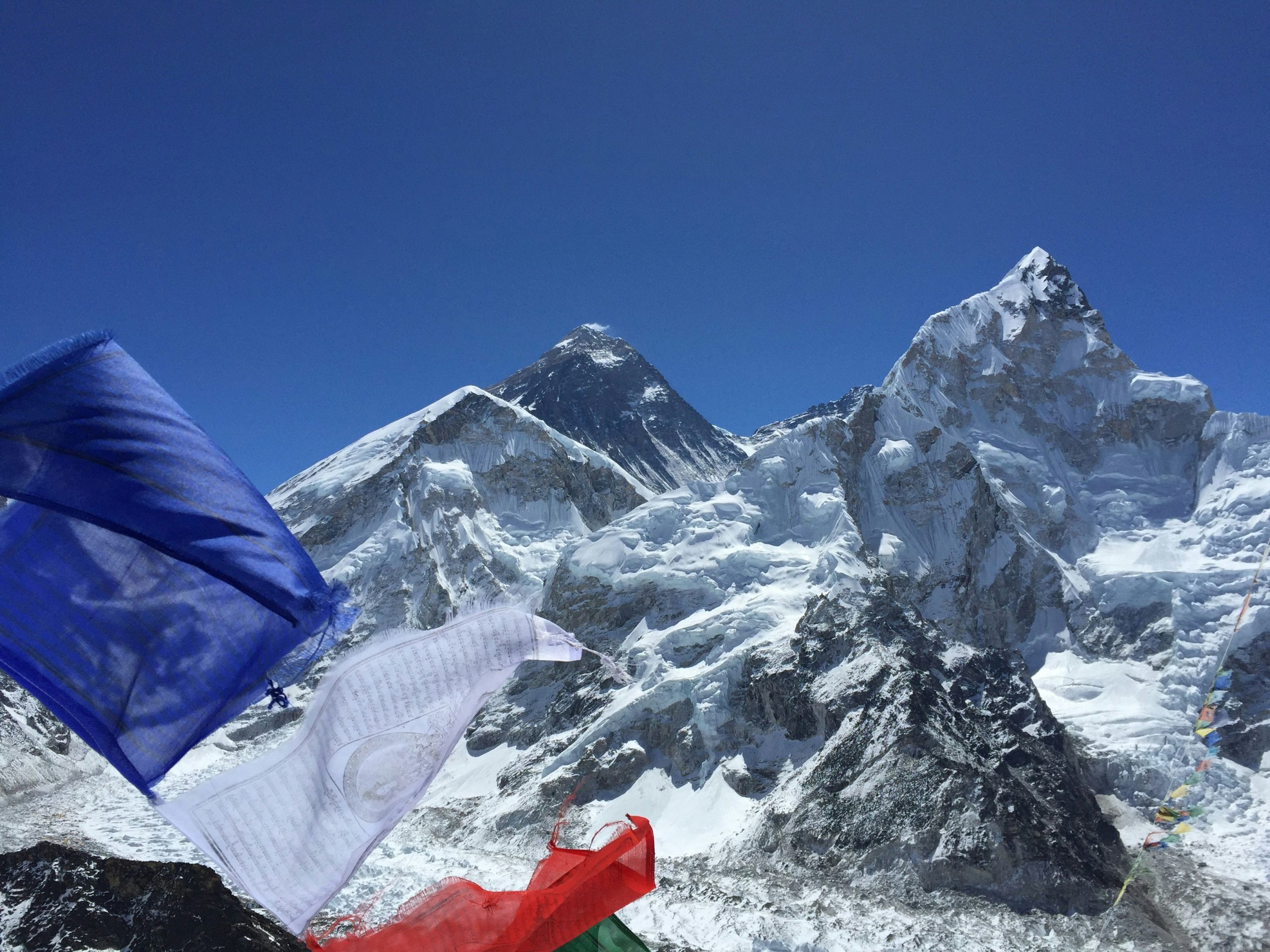
Standing in the shadow of Mount Everest during the Base Camp trek is a humbling and amazing experience. Everest is called Sagarmatha in Nepali and Chomolungma in Tibetan. It stands at 8,848 meters (29,029 feet). This giant mountain is surrounded by the tallest peaks of the Himalayas.
Trekking to Everest Base Camp, also known as the EBC trek, is an amazing adventure. It offers stunning views, rich Sherpa culture, and the excitement of high-altitude trekking. Whether you’re a first-time visitor to Nepal or a seasoned trekker, this journey promises unforgettable memories.
Here’s everything you need to know to plan your Everest Base Camp trek, from the best routes to essential packing tips.
Table of Contents
Why Trek to Everest Base Camp in Nepal?
While Everest straddles the Nepal-Tibet border, the Nepali side is the most popular for trekkers. Here’s why:
✅ Unmatched Scenery – Walk among giants like Lhotse, Nuptse, and Ama Dablam while witnessing Everest up close.
✅ Cultural Immersion – Experience Sherpa villages, ancient monasteries, and Buddhist traditions along the trail.
✅ Accessibility – Nepal offers well-developed trekking infrastructure, teahouses, and guided tours.
✅ The Challenge – Unlike Tibet (where roads lead close to base camp), Nepal’s EBC trek is a true hiking adventure.
How Long Does the Everest Base Camp Trek Take?
The classic Lukla-to-EBC route takes 12–14 days, allowing for proper acclimatization. Here’s a Everest base camp itinerary:
| Day | Route | Altitude (m/ft) |
|---|---|---|
| 1 | Fly to Lukla → Trek to Phakding | 2,860m / 9,383ft → 2,610m / 8,562ft |
| 2 | Phakding → Namche Bazaar | 3,440m / 11,286ft |
| 3 | Acclimatization in Namche | (Explore nearby viewpoints) |
| 4 | Namche → Tengboche | 3,860m / 12,664ft |
| 5 | Tengboche → Dingboche | 4,410m / 14,468ft |
| 6 | Acclimatization in Dingboche | (Hike to Nangkartshang Peak) |
| 7 | Dingboche → Lobuche | 4,940m / 16,207ft |
| 8 | Lobuche → Gorak Shep → EBC | 5,364m / 17,598ft |
| 9 | Gorak Shep → Kala Patthar → Pheriche | 5,644m / 18,519ft (Kala Patthar) |
| 10-12 | Return to Lukla | Descending via Namche |
Alternative Routes for a Longer Adventure
- Gokyo Lakes & Cho La Pass (16–18 days) – Adds turquoise glacial lakes and a high-altitude pass.
- Three Passes Trek (19–21 days) – Crosses Kongma La, Cho La, and Renjo La for extreme adventurers.
- Jiri to EBC (Pioneer’s Route) – Follows Hillary’s original path, adding 6–7 days for a quieter experience.
Is the Everest Base Camp Trek Difficult?
The EBC trek is challenging but achievable for most fit hikers. Key factors:
✔ Altitude – Slow ascent is crucial to avoid Acute Mountain Sickness (AMS).
✔ Daily Hiking – Expect 4–8 hours/day on rocky, sometimes steep trails.
✔ Weather – Nights are freezing, even in peak seasons.
✔ Fitness Level – Prior trekking experience helps, but beginners can succeed with training.
Altitude Sickness Prevention Tips
- Climb high, sleep low (acclimatization hikes help).
- Hydrate (3–4L of water/day).
- Diamox (consult a doctor before using).
- Listen to your body—descend if symptoms worsen.
Best Time to Trek to Everest Base Camp
| Season | Pros & Cons |
|---|---|
| March–May (Spring) | Best weather, but crowded. Ideal for summit views. |
| September–November (Autumn) | Clear skies, stable temps. Peak trekking season. |
| December–February (Winter) | Fewer crowds, but extremely cold. Some lodges close. |
| June–August (Monsoon) | Rainy, slippery trails. Flights to Lukla often delayed. |
Cost & Practical Tips for the EBC Trek
Guides & Permits (Mandatory Since 2023)
- TIMS Card & Sagarmatha National Park Permit required.
- Guided treks cost 1,200–1,200–2,500 (depending on group size & comfort level).
Packing Essentials
- Layered clothing (thermal base, down jacket, waterproof shell).
- Sturdy hiking boots (broken in beforehand!).
- Trekking poles (a lifesaver for steep descents).
- Sleeping bag (rated for -10°C / 14°F).
- Sunscreen, sunglasses, and a buff (high-altitude sun is brutal).
Teahouses & Food
- Lodging: 5–5–20/night (basic teahouses to luxury lodges).
- Food: Dal Bhat (lentil curry) is the best high-energy meal.
Final Thoughts: Is the EBC Trek Worth It?
Absolutely. The Everest Base Camp trek is more than a hike. It’s a life-changing journey through some of the most stunning landscapes on Earth.
You might like this trek for different reasons. It has a physical challenge. It also has a lot of cultural richness. Plus, you can see the beautiful Himalayas. This trek has everything!
How long does it take to trek to Everest Base Camp?
The classic Everest Base Camp trek takes 12–14 days round-trip from Lukla, including acclimatization. Extended routes like the Three Passes Trek or Gokyo Lakes add 5–7 days.
Is the Everest Base Camp trek difficult?
Yes, it’s moderately challenging due to high altitude (5,364m/17,598ft) and long hiking days. Fitness training and acclimatization are key. Beginners can succeed with preparation.
What is the best time to trek to Everest Base Camp?
The best seasons are:
Spring (March–May): Stable weather, blooming rhododendrons.
Autumn (September–November): Clear skies, peak visibility.
Note : Avoid monsoon (June–August) and winter (December–February) for extreme conditions.
Do you need a guide for the Everest Base Camp trek?
Yes you can trek without guide to everest base camp but having a guide provide you with additional information and helps you with cultural emersions
How much does the Everest Base Camp trek cost?
Budget: $1,000–1,200 (group tours, teahouses)
Mid-range: $1,500–2,000 (private guides, better lodges).
Luxury: $3,500+ (helicopter returns, premium lodges).
What permits are required for the EBC trek?
Sagarmatha National Park Permit (~$30).
TIMS Card (~$20).
Most tour agencies handle these.
Can you trek to Everest Base Camp without flying to Lukla?
Yes! Alternative routes include:
Jiri to EBC (Hillary’s original 7-day hike).
Tumlingtar to EBC (22-day remote trek).
What is the risk of altitude sickness on the EBC trek?
High! AMS (Acute Mountain Sickness) affects ~50% of trekkers. Prevent it by:
Ascending slowly (<400m/day after 3,000m).
Drinking 3–4L water daily.
Taking rest/acclimatization days.
What should I pack for the Everest Base Camp trek?
Essentials:
Layered clothing (thermal, down jacket, waterproof shell).
Sturdy hiking boots (broken in!).
Trekking poles, sunscreen, and a -10°C sleeping bag
Can you see Mount Everest from Base Camp?
Partially. EBC sits at the Khumbu Glacier, with obscured views. For the best panorama, hike Kala Patthar (5,644m) at sunrise.
Ready to Take on Everest?
Start training, pack smart, and prepare for the adventure of a lifetime.
🏔️ Pro Tip: Extend your trip with a helicopter tour from Kathmandu for a bird’s-eye view of the Himalayas!
Have questions? Drop them in the comments—we’re happy to help!
Leave a Reply