

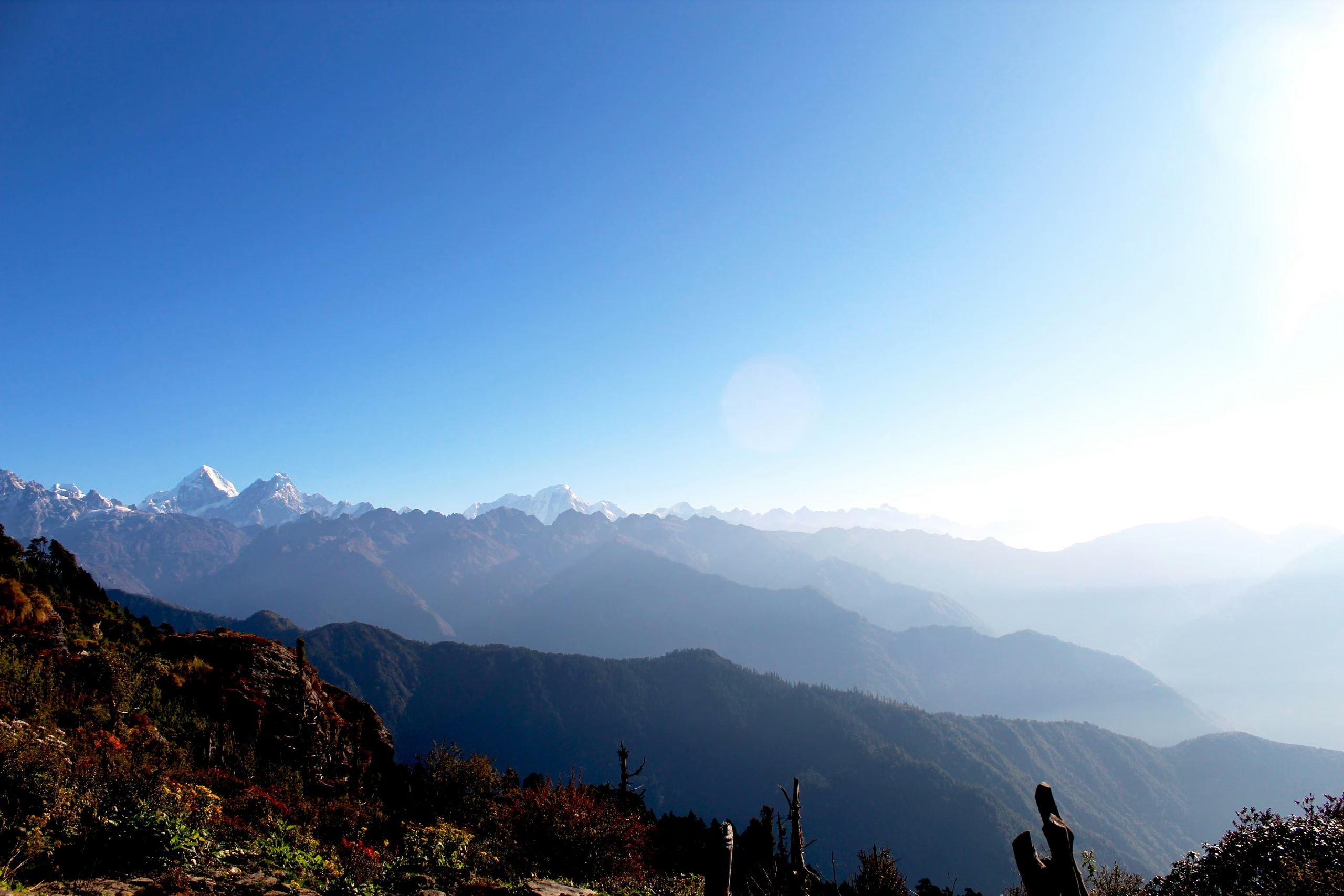
Imagine standing atop a serene peak, surrounded by breathtaking views of the Langtang and Ganesh Himal ranges. That’s the magic of Ama Yangri Trek . This trek offers you a rare chance to escape the crowds and immerse yourself in unspoiled nature. Located conveniently close to Kathmandu valley , it’s perfect if you’re short on time but still crave an unforgettable adventure. The moderate trails, paired with warm teahouse stays and friendly locals, make it accessible for everyone—from beginners to seasoned trekkers. Whether you’re here for the views, the culture, or the tranquility, Ama Yangri short trek promises an experience you won’t forget which is short trek from kathmandu .
Key Takeaways
Ama Yangri Trek gives breathtaking views of the Himalayas. You can see peaks like Mt. Everest and Langtang Lirung. It’s a treat for anyone who loves nature.
The trek is good for all fitness levels. The trails are not too hard, so beginners can enjoy it too.
Discover the Hyolmo culture during the trek. See traditional houses and enjoy colorful festivals that make the trip special.
Go in spring or autumn for the best weather. The views are beautiful, and the trek will be more enjoyable.
Stay in simple teahouses that show local life. They have basic needs and tasty local food to make your trip better.
Table of Contents
Natural Beauty of Ama Yangri
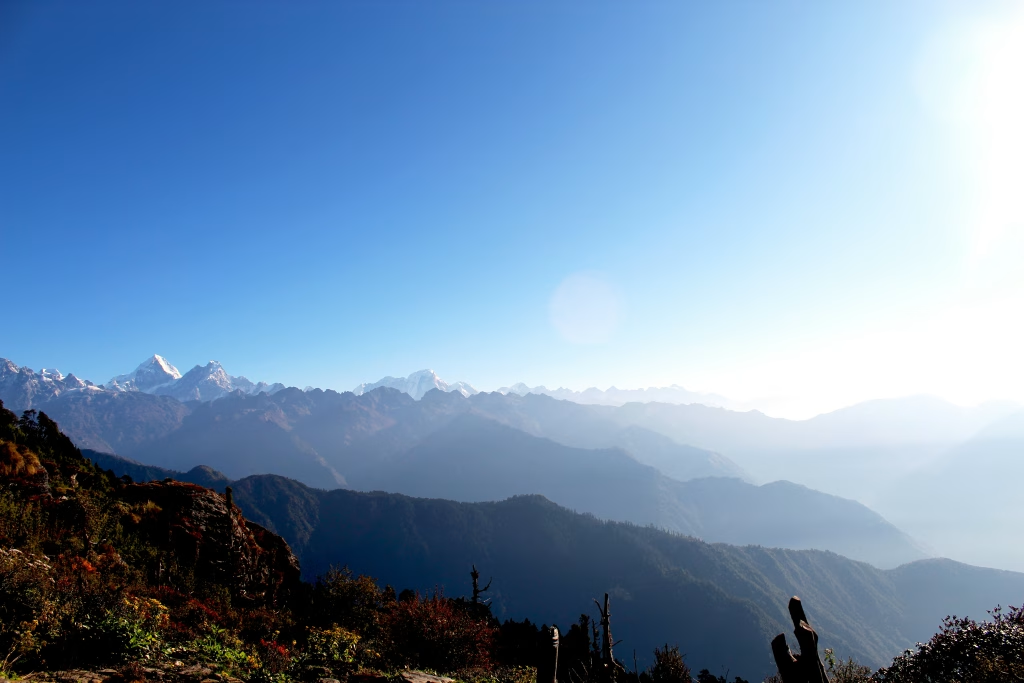
360-Degree Panoramic View
When you reach the summit of Ama Yangri Peak, you’re rewarded with some of the most breathtaking views in the Himalayas. At 3,800 meters, the peak offers a 360-degree panorama of towering giants like Langtang Lirung, Ganesh Himal, and Jugal Himal. On clear days, you can even spot the legendary Mt. Everest and Shishapangma in the distance providing a stunning panoramic views.
“I’d seen photographs of Poon Hill and its pretty sunrise landscapes featuring Dhaulagiri and Annapurna. But when I reached Ama Yangri’s summit at dawn, I was blown away. The scale and magnificence are incomparable – a 360° extravaganza of 8000m giants like Makalu, Everest, and Manaslu framing the spectacles of Langtang ranges and Ganesh Himal.”
Both sunrise and sunset here are magical. The golden hues of the sun lighting up the snow-capped peaks create a memory you’ll cherish forever.
Lush Forests and Biodiversity
The trek to Ama Yangri takes you through lush forests filled with rhododendrons and other native flora. These forests are not just beautiful; they’re alive with biodiversity. You might spot colorful birds or hear the rustling of small animals as you walk. The peaceful trails are less crowded compared to popular routes like Everest Base Camp, giving you a chance to truly connect with nature.
The region is also home to the Hyolmo Tamang and Sherpa communities, who practice Tibetan Buddhism. Their presence adds a cultural richness to the natural beauty, making your journey even more special.
Serene and Unspoiled Landscapes
Ama Yangri is a hidden gem, untouched by the heavy footfall of mainstream trekking routes. The landscapes here feel like a sanctuary. You’ll pass through tranquil villages, surrounded by panoramic mountain views and a spiritual atmosphere created by local Buddhist monasteries.
Lush forests rich in biodiversity
Peaceful villages that enhance tranquility
Panoramic mountain views offering a sense of vastness
Spiritual ambiance from local Buddhist monasteries
Untouched and less crowded trekking trails
The serenity of Ama Yangri Trekking makes it a perfect escape for anyone seeking peace and solitude. It’s a place where you can truly disconnect from the chaos of daily life and reconnect with yourself.
Cultural and Spiritual Significance of Ama Yangri Trekking
Connection to Hyolmo Culture
When you do to Ama Yangri Trekking , you step into the heart of Unique Hyolmo culture. The Hyolmo people, known for their warm hospitality, welcome you into their villages with open arms. Their unique customs, traditional attire, and vibrant festivals like Sonam Lhosar (Tibetan New Year) offer a glimpse into their rich heritage. You’ll notice their homes, built from local stone and wood, blending seamlessly with the natural surroundings.
As you explore, you’ll encounter local markets filled with handcrafted items like carpets, blankets, and traditional clothing. These treasures reflect the artistry and traditions of the Hyolmo community. The trek also takes you to significant monasteries, such as Tarkeghyang and Sermathang, where you can witness rituals and connect with the spiritual essence of the region in Nepal .
Spiritual Importance of Ama Yangri Peak
Ama Yangri Peak isn’t just a trekking destination; it’s a sacred site deeply revered by the Hyolmo people. They believe the peak is protected by Ama Yangri, a deity known as “Mother Yangri,” who blesses the region with safety and long life. At the summit, you’ll find a temple dedicated to her, a place of meditation and prayer for Buddhist practitioners.
Every year, the locals celebrate a festival in her honor, gathering for rituals and community events. This celebration is a beautiful way to experience the spiritual connection the people have with the peak. Even after the 2015 earthquake damaged the temple, efforts to restore it show the community’s unwavering devotion.
Traditional Architecture and Festivals
The villages around Ama Yangri showcase traditional Hyolmo architecture. You’ll see stone houses with wooden details, designed to withstand the mountain climate. Buddhist stupas dot the landscape, adding a spiritual touch to the serene environment.
Festivals bring these villages to life. The Hyolmo Losar, marking the Tibetan New Year, is a colorful celebration filled with traditional dances and music. If you visit during this time, you’ll feel the joy and unity of the community. These cultural experiences make the trek more than just a journey through nature—it’s a journey into the soul of the Hyolmo people.
Practical Details for Ama Yangri Trekking
Trekking Difficulty and Duration
If you’re looking for a trek that’s both rewarding and manageable, the Ama Yangri Trekking is a great choice. It’s considered easy to moderate, making it suitable for most fitness levels. The trail features gentle ascents and descents, so you won’t feel overwhelmed even if you’re new to trekking.
The Ama Yangri trek typically takes 4 to 5 days to complete, depending on your pace and itinerary. Here’s a quick comparison to give you an idea:
Trek Name | Duration | Difficulty Level |
|---|---|---|
Ama Yangri Trek | 4-5 days | Moderate |
| Annapurna Base Camp | 7-8 days | Moderate |
This trek is perfect if you want a short yet fulfilling adventure without the intense physical demands of more challenging routes.
Best Seasons to Visit
Timing your trek right can make all the difference. The best time to visit Ama Yangri is during spring (March to May) or autumn (September to November). These months offer the most pleasant weather and stable trekking conditions.
Spring (March to May): Expect mild temperatures, clear skies, and blooming rhododendrons that add vibrant colors to the trails.
Autumn (September to November): Enjoy crisp air, clear views of the mountains, and ideal trekking temperatures.
Both seasons provide stunning views and comfortable conditions, so you can focus on enjoying the journey rather than worrying about the weather.
Accommodation and Local Facilities
During your trek, you’ll stay in cozy teahouses or lodges that offer basic yet comfortable amenities. Most rooms have two or three twin beds, and the dining halls are spacious and heated. Meals are served at the same facility where you stay, with menus offering a variety of local and international dishes.
At lower altitudes, you might find accommodations with attached bathrooms and warm beds. However, as you ascend, the facilities become simpler, often featuring shared toilets and limited heating. Additional services like Wi-Fi, hot bucket water, and device charging are available for a small fee.
While the accommodations are rustic, they add to the charm of the trek, giving you a chance to experience the local way of life.
Why Ama Yangri is a Hidden Gem
Off-the-Beaten-Path Experience
If you’re tired of crowded trekking routes, Ama Yangri offers a refreshing change. Unlike popular trails like Everest Base Camp or Annapurna Circuit, this trek remains blissfully quiet. You’ll find yourself walking through serene paths surrounded by vibrant rhododendron forests, especially stunning in spring. The peaceful environment lets you soak in the beauty of nature without distractions.
The cultural richness of the trek adds to its charm. Along the way, you’ll see colorful prayer flags fluttering in the wind, ancient stupas, and monasteries that reflect the deep-rooted Buddhist traditions of the region. These elements create a unique blend of tranquility and spirituality that’s hard to find elsewhere.
For those who crave solitude, Ama Yangri is a perfect escape. The trek feels like a hidden treasure, offering breathtaking views of snow-capped peaks and verdant valleys without the hustle and bustle of more famous routes.
Tip: If you’re looking for a quieter alternative to treks like the Everest View Panorama or Ama Dablam Base Camp, Ama Yangri is your answer.
Perfect for Nature and Culture Enthusiasts
Ama Yangri caters to both nature lovers and culture seekers. The trek takes you through stunning landscapes, from lush forests to majestic Himalayan peaks. You’ll witness cascading waterfalls and vibrant flora, making every step a visual treat. The sunrise from Ama Yangri Peak is a highlight, offering unforgettable views of the surrounding mountains bathed in golden light.
But it’s not just about the scenery. You’ll also get to immerse yourself in the Hyolmo culture. The local communities welcome you with open arms, sharing their unique traditions and way of life. From their handcrafted goods to their warm hospitality, every interaction adds depth to your journey.
This trek is accessible to everyone, whether you’re an experienced trekker or a casual hiker. Its combination of natural beauty and cultural immersion makes it a must-visit destination for anyone looking to connect with both the environment and local traditions.
Ama Yangri Trek combines breathtaking landscapes, cultural immersion, and spiritual significance into one unforgettable adventure. You’ll enjoy authentic experiences like savoring traditional cuisine, witnessing cultural performances, and marveling at local craftsmanship. The trek’s spiritual essence, with ancient stupas and monasteries, adds a deeper connection to the journey. From panoramic mountain views to the warm hospitality of the Hyolmo people, every moment feels special. Whether you’re drawn to nature, culture, or spirituality, this trek offers something unique for everyone. Ama Yangri truly stands out as a destination that leaves a lasting impression.
FAQ
1. How do I get to Ama Yangri Trek?
You can start your journey from Kathmandu. Take a bus or jeep to Timbu, the trek’s starting point. The drive takes about 5-6 hours. From there, follow the trail through scenic villages and forests to reach Ama Yangri.
Tip: Hiring a local guide can enhance your experience and ensure you stay on the right path.
2. Do I need a permit for the Ama Yangri Trek?
No, you don’t need a trekking permit for Ama Yangri. However, carrying a valid ID and registering at local checkpoints is a good idea. It helps ensure your safety and supports local tourism management.
3. Is the Ama Yangri Trek suitable for beginners?
Yes, it’s perfect for beginners! The trail is moderately challenging with gradual ascents. You don’t need prior trekking experience. Just ensure you’re in decent physical shape and take your time to enjoy the journey.
4. What should I pack for the trek?
Pack light but include essentials like warm clothing, comfortable trekking shoes, a water bottle, snacks, and a first-aid kit. Don’t forget a camera to capture the stunning views!
Essentials:
Warm layers
Trekking poles (optional)
Sunscreen and sunglasses
5. Can I trek Ama Yangri solo?
Yes, you can trek solo. The trail is straightforward and safe. However, trekking with a group or guide is recommended for a richer cultural experience and added safety, especially if it’s your first time.
Note: Always inform someone about your itinerary if you’re trekking alone.