

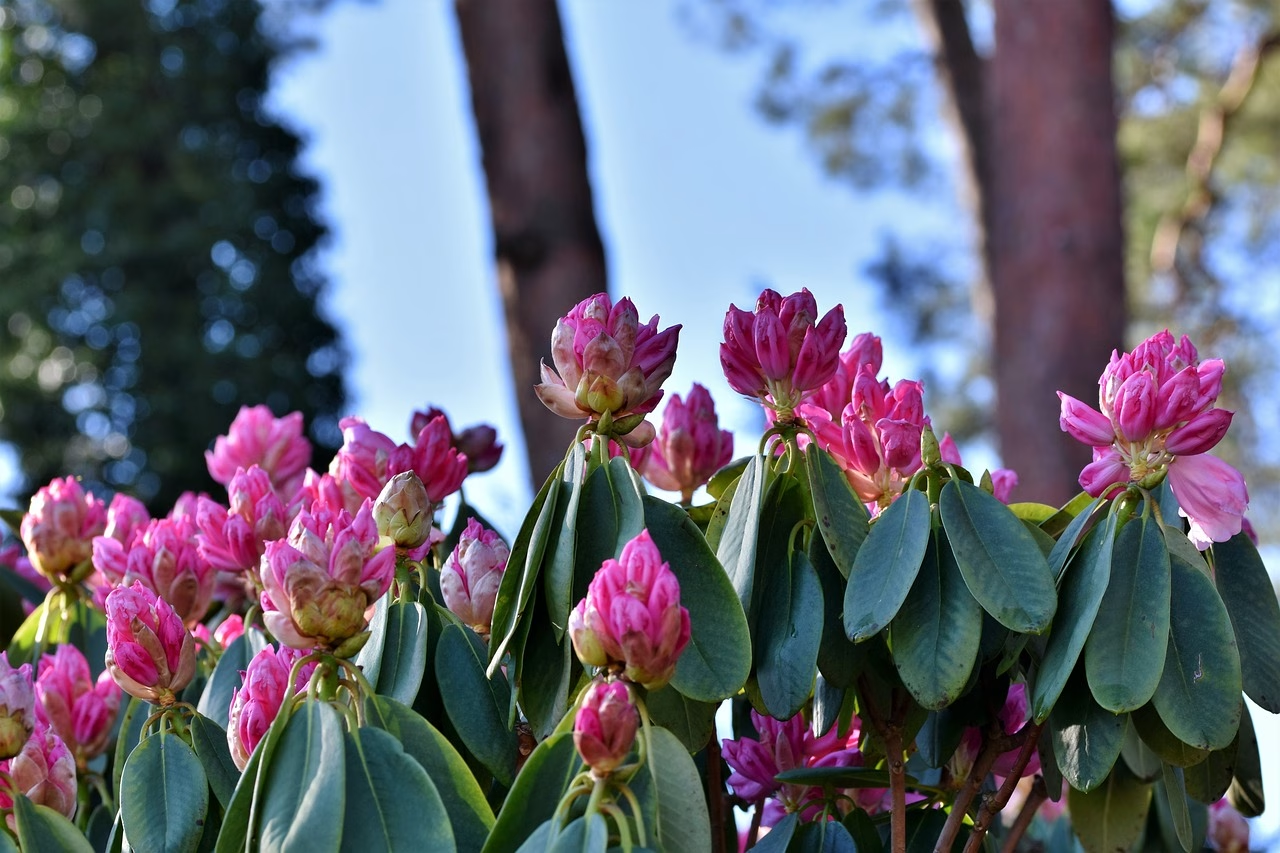
Imagine walking through a Himalayan forest filled with vibrant shades of red and pink. In spring, Nepal’s diverse landscapes come alive as rhododendron forests turn mountain slopes into natural gardens. These stunning flowers provide a magical setting for some of the most breathtaking treks in the world.
Nepal is home to an impressive 32 species of rhododendrons, including the national flower Lali Gurans (Rhododendron arboreum). These magnificent trees can grow up to 20 meters tall, forming natural canopies that offer shade to trekkers along ancient mountain paths.
The trekking season in 2025 promises incredible experiences for nature lovers and adventure seekers. Here’s what you can expect:
- Explore pristine trails: Discover untouched paths winding through blooming rhododendron forests.
- Feast your eyes on majestic peaks: Marvel at the awe-inspiring views of snow-capped Himalayan mountains.
- Connect with local cultures: Immerse yourself in rich cultural encounters with mountain communities.
- Spot diverse wildlife: Keep an eye out for unique animals thriving in protected natural habitats.
The best time to witness this natural wonder is between mid-March and mid-April when rhododendrons paint the hillsides at elevations ranging from 2,400 to 2,800 meters. Each trek offers its own perspective of Nepal’s natural beauty, combining thrilling mountain adventures with the tranquility of spring blooms.
Join us as we explore the most breathtaking rhododendron treks for your 2025 adventure in Nepal. We’ll share essential information about the routes you’ll take, the viewpoints you’ll visit, and the cultural experiences that await you on these extraordinary journeys.
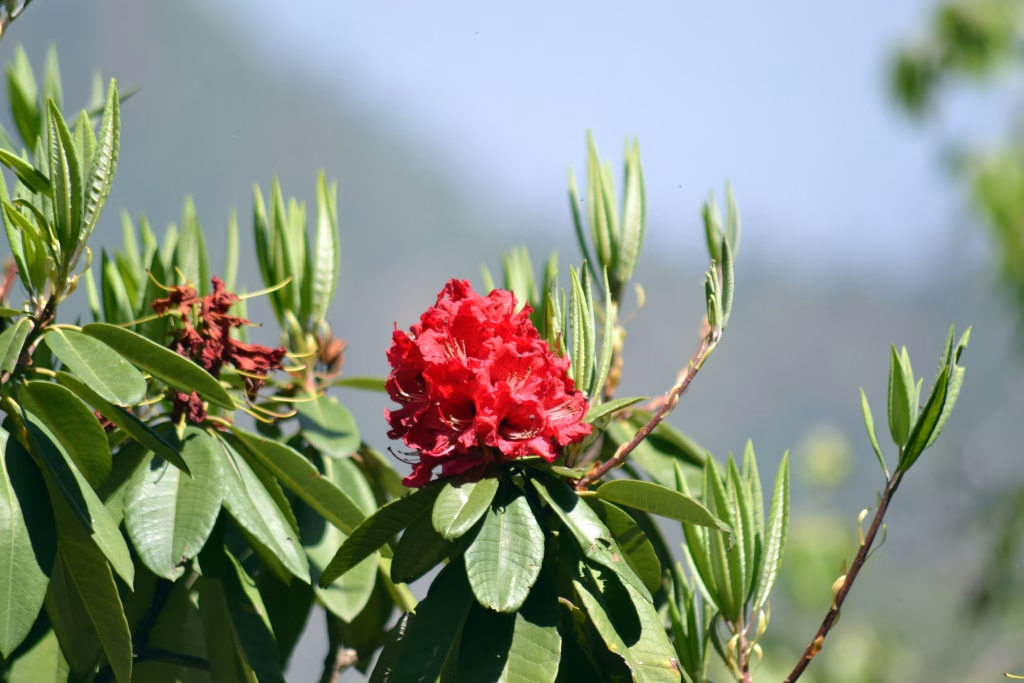
Table of Contents
Why Choose Rhododendron Treks in Nepal?
Nepal’s rhododendron forests create an unparalleled trekking experience, with 32 distinct species painting the mountainsides in vibrant hues. These remarkable flowers serve as natural corridors for wildlife, supporting diverse ecosystems from the mid-hills to the high Himalayas.
The Rich Biodiversity of Nepal’s Rhododendron Regions
The rich biodiversity of Nepal’s rhododendron regions includes:
- Rhododendron arboreum – Nepal’s national flower, growing up to 20 meters
- Rhododendron campanulatum – Known for its bell-shaped purple blooms
- Rhododendron anthopogon – A dwarf species with aromatic properties
These magnificent flowers hold deep cultural significance in local communities. Many indigenous groups use rhododendron flowers in traditional medicines and religious ceremonies. The Gurung and Tamang communities craft local wine from the blossoms, while others use the wood for crafting tools and religious artifacts.
Unique Advantages of Spring Trekking
Spring trekking (mid-March to mid-April) offers unique advantages:
Perfect Weather Conditions
- Clear skies for mountain views
- Comfortable temperatures for hiking
- Minimal rainfall
Natural Spectacles
- Peak rhododendron blooming season
- Active wildlife in their natural habitat
- Dramatic sunrise views against flowering hillsides
Cultural Experiences
- Spring festivals in mountain villages
- Traditional honey harvesting ceremonies
- Local flower-picking rituals
Ideal Conditions for Rhododendron Growth
The elevation range of 2,400 to 2,800 meters creates ideal conditions for rhododendron growth, offering trekkers a chance to witness these flowers in their natural habitat while experiencing the authentic mountain culture of Nepal. Each trek presents opportunities to photograph rare species, interact with local communities, and witness the delicate balance between human settlements and natural ecosystems.
Top Rhododendron Treks in Nepal for 2025
Nepal’s rhododendron trails offer unique trekking experiences that combine natural beauty with cultural immersion. Let’s explore the most spectacular rhododendron treks for your 2025 adventure.
1. Ghorepani Poon Hill Trek
The Ghorepani Poon Hill Trek stands as Nepal’s premier rhododendron destination, attracting nature enthusiasts and photographers from across the globe. This 4-5 day trek starts in the charming town of Nayapul, leading through dense forests and traditional villages before reaching the iconic Poon Hill viewpoint at 3,210 meters.
Trek Highlights:
- Sunrise views of Dhaulagiri (8,167m)
- Annapurna South (7,219m)
- Machapuchare (6,993m)
- Vast stretches of crimson rhododendron forests
The trail winds through ancient stone steps, crossing pristine streams and passing through the villages of Tikhedhunga and Ulleri. Each morning brings new discoveries as you trek through misty rhododendron forests, their branches heavy with vibrant blooms.
Best Viewpoints:
- Poon Hill Summit – 360-degree panorama of the Himalayan range
- Ghorepani Village – Sunset views over Dhaulagiri
- Tadapani Viewpoint – Clear views of Annapurna South
The Gurung villages along the route offer authentic cultural experiences. Local families welcome trekkers with traditional hospitality, serving home-cooked Dal Bhat and sharing stories of their mountain life. You’ll witness daily routines, from farmers tending their terraced fields to women weaving traditional garments.
Cultural Experiences:
- Traditional dance performances in Ghandruk
- Local handicraft demonstrations
- Ancient monasteries and prayer wheels
- Home-stay opportunities with Gurung families
The trek’s moderate difficulty level makes it accessible to both beginners and experienced trekkers. Stone-paved paths and well-maintained trails allow you to focus on the surrounding beauty rather than technical challenges.
Trek Details:
2. Langtang Valley Trek
The Langtang Valley Trek is a testament to Nepal’s resilient spirit, showcasing nature’s remarkable ability to regenerate after the 2015 earthquake. This 8-10 day trek takes you through diverse landscapes, from subtropical forests to alpine meadows, all while staying close to the majestic Langtang Lirung mountain (7,227m).
1. Starting Point and Trail Description
Starting from Syabrubesi, the trail winds through dense rhododendron forests painted in vibrant reds and pinks during spring. You’ll encounter multiple species of these flowering trees, including the rare Rhododendron campanulatum with its distinctive bell-shaped blooms.
2. Key Trek Highlights
- Stunning views of Langtang Lirung glacier
- Ancient Buddhist monasteries dotting the landscape
- Diverse wildlife including red pandas and Himalayan tahr
- Traditional cheese factories in Kyanjin Gompa
3. Sacred Gosaikunda Lakes
The sacred Gosaikunda Lakes, sitting at 4,380m, serve as both a natural wonder and a significant pilgrimage site. Hindu mythology links these emerald waters to Lord Shiva, drawing thousands of devotees during the August full moon festival. The lakes remain frozen for six months, creating an otherworldly landscape against the backdrop of snow-capped peaks.
4. Cultural Experiences on Tamang Heritage Trail
The Tamang Heritage Trail intertwines with the main trek route, offering authentic cultural experiences. Local families open their homes for homestays, giving you a chance to:
- Learn traditional weaving techniques
- Participate in butter tea ceremonies
- Experience daily Buddhist prayer rituals
- Sample local delicacies like Shyabru (traditional Tamang bread)
The trail passes through several Tamang villages, each with its distinctive architecture and customs. Stone-built houses with intricate wooden carvings tell stories of generations past, while prayer flags flutter in the mountain breeze.
5. Best Viewpoints Along the Trek
Here are some of the best viewpoints you shouldn’t miss:
- Kyanjin Ri (4,773m) – panoramic views of the valley
- Tserko Ri (5,033m) – sunrise over Langtang Lirung
- Laurebina Pass (4,610m) – overlooking Gosaikunda Lakes
The trek’s relatively
3. Kangchenjunga Base Camp Trek
Hidden in the eastern reaches of Nepal lies the pristine Kangchenjunga Base Camp Trek, a path less traveled that rewards adventurous spirits with unparalleled natural beauty. This remote trek leads you through some of Nepal’s most untouched landscapes, where traditional villages remain preserved from mass tourism’s influence.
A Symphony of Colors: The Rhododendron Forests
The trail winds through the world’s largest rhododendron forests, creating a mesmerizing display of colors during peak blooming season:
- Lower elevations: Pink Rhododendron barbatum blankets the area
- Middle ranges: White Rhododendron dalhousiae dots the landscape
- Higher altitudes: Blood-red Rhododendron thomsonii thrives here
Nature photographers find paradise in these forests, where early morning light filters through the canopy, creating ethereal scenes perfect for capturing unique shots. The rich biodiversity extends beyond rhododendrons – you’ll encounter rare orchids, primulas, and magnolias along the way.
Conquering High Altitudes: Challenges Await
The trek presents significant challenges with its high-altitude terrain:
- Base camp elevation: 5,143 meters
- Multiple passes above 4,000 meters
- Technical sections requiring proper equipment
- Limited tea houses compared to popular routes
These challenges make the journey particularly rewarding. Each step higher reveals new perspectives of the mighty Kangchenjunga massif, the world’s third-highest peak. The base camp offers front-row seats to dramatic glacier views and towering peaks that seem close enough to touch.
Nature’s Sanctuary: Endangered Species and Conservation
The route passes through the Kangchenjunga Conservation Area, home to endangered species like:
- Red panda
- Snow leopard
- Himalayan black bear
- Musk deer
This conservation effort ensures that these magnificent creatures continue to thrive in their natural habitat.
Cultural Encounters: Villages Along the Trail
Local villages along the trail provide authentic glimpses into the lives of Limbu, Rai, and Sherpa communities. Their traditional practices and customs remain largely unchanged, offering cultural experiences rarely found on more popular trekking routes.
Timing is Everything: Optimal Trekking Window
The optimal trekking window spans from March to May when rhododendrons paint the hillsides in vibrant hues. This timing coincides with stable weather patterns, providing clear mountain views and comfortable daytime temperatures for trekking.
Plan Ahead: Remote Nature Requires Preparation
The trek’s remote nature requires careful planning:
- Minimum 20-day itinerary
4. Manaslu Circuit Trek
The Manaslu Circuit Trek is a pristine alternative to the popular Annapurna Circuit. This hidden gem offers trekkers a chance to explore untouched landscapes adorned with vibrant rhododendron forests, making it an ideal choice for your 2025 Nepal adventure.
Trek Highlights:
- 14-16 day circuit around Mount Manaslu (8,163m)
- Remote trails with 50-70% fewer trekkers than Annapurna
- Diverse ecosystems from subtropical forests to alpine terrain
- Rich Buddhist culture and ancient monasteries
- Spectacular views of Manaslu, Himchuli, and Ganesh Himal
The trek begins in the lush lower valleys, where you’ll encounter dense rhododendron forests painting the hillsides in brilliant shades of pink and red. As you ascend, the landscape transforms dramatically, revealing stunning mountain vistas and glacial valleys.
Cultural Heritage Sites:
- Samagaon Monastery: An 800-year-old monastery showcasing intricate Tibetan architecture
- Ribung Gompa: Ancient Buddhist monastery with colorful prayer flags
- Traditional Tibetan villages: Authentic settlements preserving centuries-old customs
The trail leads you through remote villages where time seems to stand still. Local communities welcome trekkers with traditional hospitality, offering unique insights into their mountain lifestyle. You’ll witness ancient Buddhist practices and ceremonies, particularly around the monasteries dotting the trail.
Key Features:
- Challenging yet rewarding Larkya La Pass (5,160m)
- Natural hot springs at Tatopani
- Diverse wildlife including blue sheep and musk deer
- Traditional teahouses run by local families
- Spectacular sunrise views from Dharmasala
The trek reaches its pinnacle at Larkya La Pass, where rhododendron gives way to dramatic high-altitude wilderness. The pass offers unparalleled views of the surrounding peaks, including the magnificent Manaslu massif.
Best Time to Trek:
- March to May: Peak rhododendron blooming season
- Clear skies and moderate temperatures
- Stable weather conditions
5. Milke Danda Trek
Milke Danda Trek is a hidden gem in eastern Nepal, perfect for nature lovers looking for peace and unspoiled beauty. This lesser-known trail offers you an intimate encounter with Nepal’s most diverse collection of rhododendron species, earning its nickname “the rhododendron kingdom.”
The trek takes you along a ridge at an altitude of 3,690 meters, where you can experience:
- 28 different types of rhododendrons
- Untouched natural forests away from commercial tourism
- Rare wildlife sightings in their natural habitat
- Traditional villages of Limbu and Sherpa communities
Starting Point: Taplejung
The journey begins in Taplejung, where you’ll make your way through thick rhododendron forests that come alive with vibrant colors during springtime. Here, you’ll have the chance to see various species such as the towering Rhododendron arboreum and the delicate Rhododendron lepidotum, each contributing its own unique shade to the landscape.
Key Highlights of Milke Danda:
- Breathtaking Views: The summit rewards you with unobstructed views of:
- Kanchenjunga (8,586m)
- Makalu (8,463m)
- Kumbhakarna (7,710m)
- Jannu (7,710m)
- Cultural Immersion:
- Experience traditional tea houses run by local families
- Discover ancient prayer flags marking sacred spots
- Witness local festivals and ceremonies (seasonal)
The trek’s relative obscurity means you’ll often have entire viewpoints to yourself, perfect for photography and peaceful contemplation. Local guides share their deep knowledge of the region’s flora, helping you identify various rhododendron species and their significance in local culture.
Practical Information:
- Best Time: March to May
- Duration: 10-12 days
- Difficulty: Moderate
- Accommodation: Basic tea houses and homestays
- Starting Point: Taplejung
- Maximum Elevation: 3,690m
The trail conditions remain relatively undeveloped compared to popular routes like Ghorepani Poon Hill or Langtang Valley. This rawness adds an element of adventure to your trekking experience as you navigate through less-trodden paths surrounded by pristine nature.
Essential Tips for Trekkers
Securing the right permits stands as a crucial first step for your rhododendron trek in Nepal. Each region requires specific documentation:
- TIMS Card (Trekkers’ Information Management System)
- Annapurna Conservation Area Permit for Ghorepani Poon Hill Trek
- Langtang National Park Entry Permit for Langtang Valley Trek
- Kangchenjunga Conservation Area Permit for Kangchenjunga Base Camp Trek
- Manaslu Conservation Area Permit and Restricted Area Permit for Manaslu Circuit Trek
You can obtain these permits from the Nepal Tourism Board offices in Kathmandu or Pokhara. The process typically takes 1-2 days, and you’ll need passport-sized photos and copies of your passport.
Hiring a local guide enriches your trekking experience in multiple ways:
- Safety and Navigation: Local guides know the terrain, weather patterns, and safe routes
- Cultural Insights: They serve as cultural bridges, translating local customs and traditions
- Flora Expertise: Many guides can identify different rhododendron species and other local plants
- Emergency Response: They’re trained in first aid and know evacuation procedures
- Local Economy: Your guide hire directly supports local communities
Essential Guide Requirements:
- Licensed by Nepal Government
- Speaks English fluently
- Has experience in your chosen trek route
- Carries necessary safety equipment
- Maintains connections with local communities
The cost of hiring a guide ranges from $25-35 per day, including their food and accommodation. Book through registered trekking agencies to ensure you work with certified professionals.
Consider joining small group treks if you’re looking to share costs while maintaining an intimate trekking experience. Groups typically include 4-8 trekkers, allowing for personalized attention from your guide.
Responsible Trekking Practices
Your actions on Nepal’s rhododendron trails create lasting impacts on both the environment and local communities. Here’s how you can trek responsibly while exploring these magnificent routes:
Protect the Ecosystem
- Stay on marked trails to prevent soil erosion and protect delicate vegetation
- Never pick rhododendron flowers or other plants – take photos instead
- Pack out all waste, including biodegradable items
- Use eco-friendly toiletries to prevent water contamination
- Keep noise levels low to avoid disturbing wildlife
Support Local Communities
- Choose locally-owned teahouses and homestays
- Purchase supplies from village shops
- Respect local customs and dress codes
- Ask permission before taking photos of people
- Learn basic Nepali phrases to connect with locals
Sustainable Practices
- Carry a reusable water bottle and water purification method
- Use solar chargers for electronics
- Pack lightweight, quick-dry clothing to minimize water usage
- Choose eco-friendly trekking gear and equipment
- Join organized clean-up initiatives along the trails
Energy Conservation
- Use natural light when possible
- Turn off lights and heaters when leaving rooms
- Take short showers to conserve hot water
- Use shared transportation options to reduce carbon footprint
- Choose teahouses that use renewable energy sources
Cultural Preservation
- Participate in traditional ceremonies only when invited
- Support local artisans by purchasing authentic crafts
- Document and share positive cultural experiences
- Avoid giving money or gifts to children
- Learn about local conservation efforts and support them
These responsible practices help preserve Nepal’s rhododendron forests for future generations while ensuring sustainable tourism benefits local communities. Your mindful approach to trekking creates positive ripple effects throughout the region’s delicate ecosystem.
Conclusion
Nepal’s rhododendron treks are a testament to nature’s artistry. The 2025 trekking season promises unforgettable experiences for both nature lovers and adventure seekers:
- Witness vibrant rhododendron forests painting mountainsides in stunning hues
- Immerse yourself in authentic cultural encounters with local communities
- Challenge your limits while discovering personal strength through adventure
- Create lasting memories against the backdrop of snow-capped Himalayan peaks
These treks offer more than just scenic beauty – they provide transformative journeys that connect you with Nepal’s rich natural heritage and warm-hearted people. Each step along these trails reveals new wonders, from rare rhododendron species to ancient monasteries nestled in remote valleys.
Your 2025 Himalayan adventure awaits, whether you choose the popular Ghorepani Poon Hill Trek or venture into the less-explored Milke Danda region. The combination of blooming rhododendrons, majestic mountain views, and cultural discoveries creates an experience that will stay with you long after you’ve returned home.
Ready to embark on your rhododendron trek? Start planning your 2025 Nepal adventure now – the mountains, flowers, and welcoming communities are calling.
What are the best rhododendron treks in Nepal for 2025?
The top rhododendron treks in Nepal for 2025 include Ghorepani Poon Hill Trek, Langtang Valley Trek, Kangchenjunga Base Camp Trek, Manaslu Circuit Trek, and Milke Danda Trek. Each trek offers stunning landscapes, rich biodiversity, and unique cultural experiences.
Why should I choose a rhododendron trek in Nepal?
Choosing a rhododendron trek in Nepal allows you to experience the breathtaking beauty of diverse rhododendron species in full bloom during spring. Additionally, these treks offer cultural encounters with local communities and the chance to explore Nepal’s rich biodiversity.
What is the best time to go on a rhododendron trek in Nepal?
The best time for rhododendron treks in Nepal is during the spring season, typically from March to May, when the flowers are in full bloom and the weather conditions are generally favorable for trekking.
What should I know about the Ghorepani Poon Hill Trek?
The Ghorepani Poon Hill Trek is popular among trekkers for its stunning viewpoints, especially at Poon Hill where you can witness magnificent sunrises over the Annapurna range. This trek also provides opportunities for cultural interactions with local Gurung villages.
Are there any challenges associated with the Kangchenjunga Base Camp Trek?
Yes, while the Kangchenjunga Base Camp Trek offers breathtaking vistas and extensive rhododendron forests, it poses challenges due to high altitudes. Trekkers should be prepared for varying weather conditions and ensure proper acclimatization.
How can I practice responsible trekking while on these trails?
To practice responsible trekking on rhododendron treks in Nepal, ensure you acquire necessary permits, hire local guides familiar with trails and culture, and follow guidelines for environmental conservation to minimize your impact on fragile ecosystems.