

1. Introduction
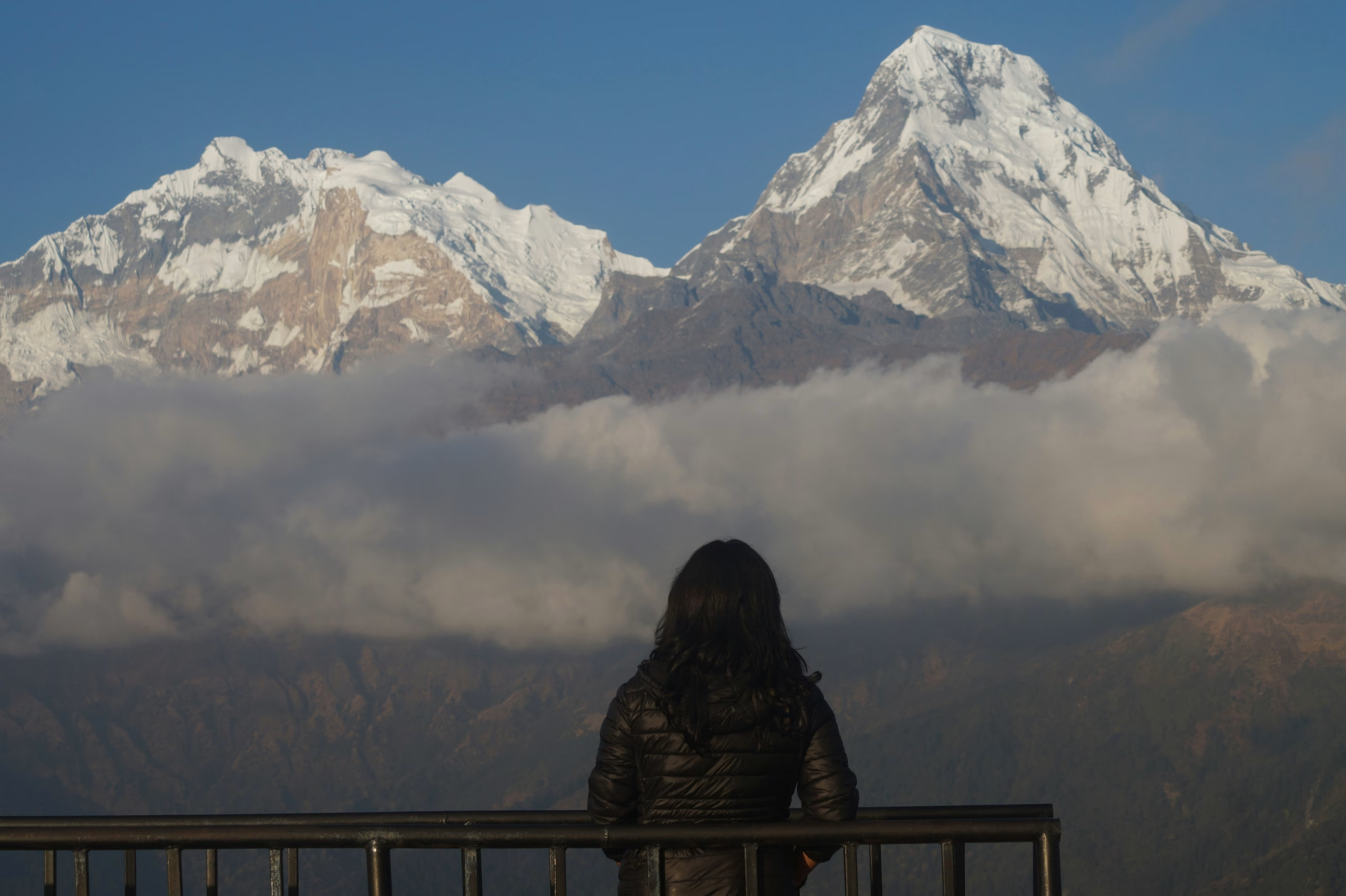
Embarking on a trek in the beautiful Ghorepani region of Nepal is an adventure of a lifetime. Nestled in the Annapurna Conservation Area, the Ghorepani Poonhill Trek offers breathtaking views of snow-covered peaks, lush landscapes, and colorful rhododendron forests. But, to make your trek a truly successful and enjoyable experience, it’s important to be prepared and plan ahead. In this blog post, we will provide you with essential tips, including the cost of the trek, a recommended itinerary, and how to reach Ghorepani from Kathmandu. So, if you’re ready to explore the wonders of the Ghorepani region, keep reading!
Table of Contents
2. Preparing for your Ghorepani Poonhill trek
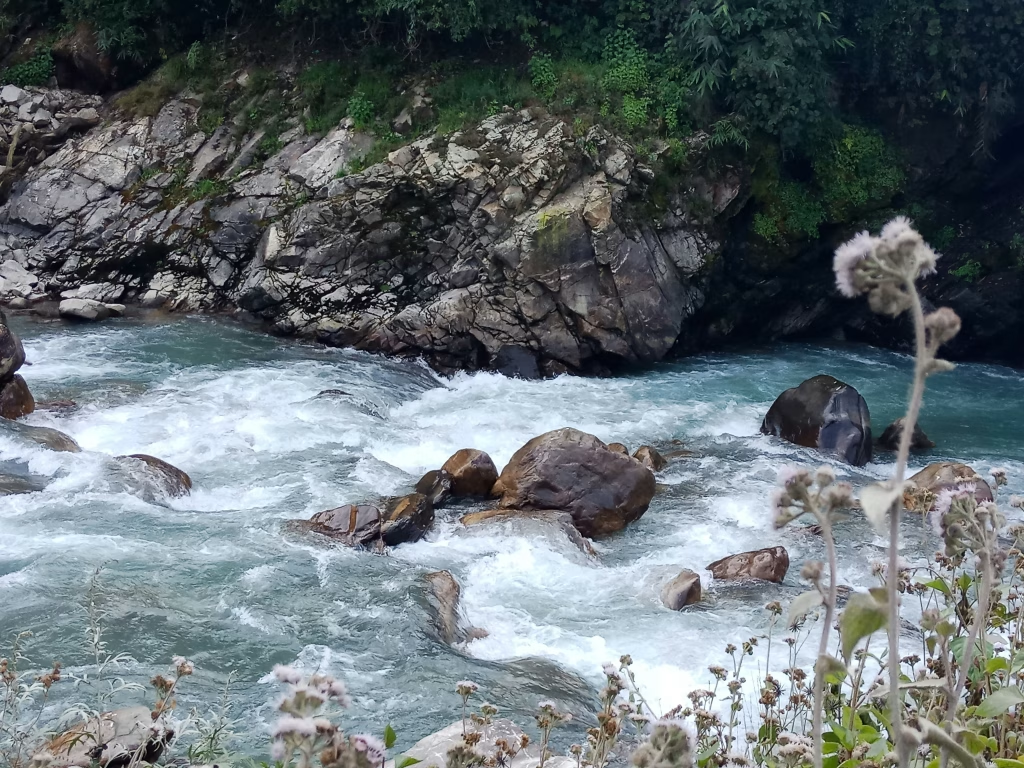
Preparing for your Ghorepani Poonhill trek is crucial to ensure a safe and enjoyable journey. Here are some essential tips to help you get ready:
a. Physical fitness: The Ghorepani Poonhill trek involves walking for several hours each day on steep terrain. Therefore, it’s important to build your endurance and stamina through regular exercise and cardio workouts.
b. Clothing and gear: Make sure you have the right clothing and gear for the trek. Layered clothing is essential as the weather can change quickly in the mountains. Don’t forget to pack a good pair of hiking boots, a waterproof jacket, a hat, gloves, and a warm sleeping bag.
c. Hydration and nutrition: Stay hydrated throughout the trek by carrying a water bottle or using a water purification system. Pack energy-rich snacks such as nuts, energy bars, and fruits to keep yourself fueled during the long walks.
d. Acclimatization: Take your time to acclimatize to the high altitude. It’s recommended to spend a day or two in Kathmandu or other lower-altitude destinations before starting the trek.
By taking these preparatory steps, you will be well-equipped to embark on your Ghorepani Poonhill trek and have a memorable experience. Stay tuned for our next blog post where we will discuss the must-see attractions along the trekking route.
3. Choosing the right gear and equipment
Choosing the right gear and equipment is crucial for a successful Ghorepani trek. Here are some essential items you should consider:
a. Backpack: Invest in a high-quality backpack that is comfortable and spacious enough to carry all your essentials. Look for one with padded straps and a waist belt for better weight distribution.
b. Hiking boots: Your choice of footwear can make or break your trek. Make sure you have sturdy, waterproof hiking boots that provide good ankle support. Break them in before your trek to avoid blisters and discomfort.
c. Trekking poles: Trekking poles can greatly assist you in maintaining balance and reducing the strain on your joints during steep descents. Choose collapsible poles for easy transportation.
d. Sleeping bag: In the teahouses along the trekking route, you will be provided with blankets. However, carrying a lightweight sleeping bag is advisable for extra warmth and comfort during chilly nights.
e. Headlamp: A reliable headlamp is essential for navigating through dark trails during early morning or evening treks. Ensure it has long battery life and is lightweight.
By carefully selecting the right gear and equipment, you can enhance your comfort and safety during your Ghorepani trek. Stay tuned for our next blog post, where we will discuss important safety precautions to keep in mind on the trail.
4. Staying physically fit for the trek
Staying physically fit for the trek is crucial to ensure a successful Ghorepani trek. The terrain can be challenging, with steep ascents and descents, so it is important to prepare your body for the exertion.
Regular cardiovascular exercise, such as hiking, running, or cycling, can help improve your endurance and stamina. Incorporate strength training exercises to strengthen your leg and core muscles, as they will be heavily relied upon during the trek.
Additionally, don’t forget to increase your flexibility through stretching exercises, as they can help reduce the risk of injury and muscle soreness.
Remember to consult with your healthcare provider before embarking on any new fitness regimen, especially if you have any pre-existing health conditions.
In our next blog post, we will discuss the essential packing list for a Ghorepani trek, so stay tuned!
5. Hiring a knowledgeable and experienced guide
When embarking on a Ghorepani trek, hiring a knowledgeable and experienced guide can greatly enhance your experience and ensure a successful journey. A guide can provide valuable insights into the local culture, history, and geography, making your trek more enriching and informative. They can also navigate the challenging terrain, ensuring you stay on the right track and avoid any potential risks or hazards.
A good guide will have a deep understanding of the area, including the best viewpoints, hidden trails, and safe camping spots. They can help you spot local flora and fauna and share interesting anecdotes along the way. Moreover, a guide can assist in making arrangements for accommodations, meals, and permits, allowing you to focus solely on enjoying the trek.
When hiring a guide, do some research to find someone with positive reviews and a strong reputation. Ask for recommendations from fellow trekkers or seek guidance from a reputable trekking agency. Ensure that the guide is registered and licensed with the appropriate authorities to ensure your safety and security.
Next, we will discuss the essential packing list for a Ghorepani trek, so stay tuned to ensure you are well-prepared for your adventure!
6. Navigating the trail and staying safe
Navigating the trail and staying safe are crucial aspects of a successful Ghorepani trek. The trail to Ghorepani can be challenging at times, with steep ascents, rough terrain, and unpredictable weather conditions. To ensure a safe and enjoyable trek, it is essential to be prepared and informed.
First and foremost, always carry a detailed and up-to-date map of the trekking route. This will help you stay on track and avoid getting lost. It is also advisable to have a compass or a GPS device to assist with navigation, especially in areas with poor signage.
While trekking, abide by the instructions given by your guide. They have extensive knowledge of the trail and can guide you through any difficult sections. Pay attention to their advice on crossing rivers, navigating slippery paths, and avoiding potentially hazardous areas. Remember, your safety should always be paramount.
Additionally, it is essential to pack the right equipment and gear to protect yourself from adverse weather conditions. This includes sturdy and comfortable trekking shoes with good traction, waterproof and breathable clothing, a hat, sunglasses, and sunscreen. Adequate preparations will help you stay safe and comfortable throughout the trek.
In the next section, we will discuss the importance of physical fitness and how to prepare your body for the challenges of the Ghorepani trek. Stay tuned to ensure you are ready for the adventure of a lifetime!
7. Adapting to the altitude and weather conditions
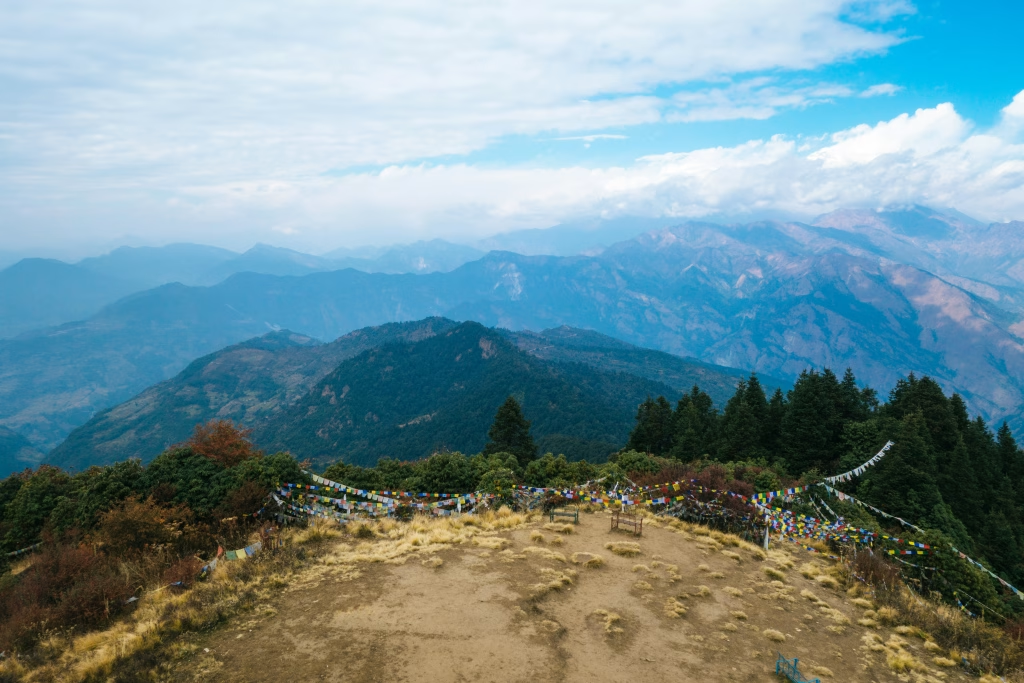
Adapting to the altitude and weather conditions is crucial for a successful Ghorepani trek. As you ascend to higher altitudes, the air becomes thinner, and your body may take time to adjust. This can lead to symptoms of altitude sickness such as headaches, dizziness, and fatigue. To minimize the risk, acclimatize gradually by taking rest days and drinking plenty of water.
In addition, the weather in the mountains can be unpredictable. It is important to be prepared for both hot and cold temperatures, as well as rain or snow. Layer your clothing so that you can easily adjust to changing conditions. A good quality sleeping bag and a waterproof or windproof jacket are also essential.
Keep in mind that weather conditions can affect the visibility of the scenic views in Ghorepani. Plan your trek during the months when the weather is relatively stable, usually during the spring (March to May) and autumn (September to November) seasons.
By adapting to the altitude and being prepared for variable weather conditions, you will have a safer and more enjoyable trek to Ghorepani.
8. Appreciating the cultural and natural beauty of the region
Appreciating the cultural and natural beauty of the region is an essential part of your Ghorepani trek. As you embark on this adventure, take time to immerse yourself in the local culture and marvel at the stunning surroundings.
The Ghorepani area is renowned for its ethnic diversity and rich cultural heritage. You will have the opportunity to interact with the warm and welcoming local communities, who will gladly share their traditions and way of life with you. Take the time to learn about their customs, taste the local cuisine, and perhaps even join in on a traditional dance or music performance.
In addition to the cultural aspects, the natural beauty of this region is simply breathtaking. From lush green forests and rhododendron-filled hillsides to panoramic views of the majestic Himalayas, every step of your trek will be rewarded with awe-inspiring sights. Be sure to have your camera ready to capture these unforgettable moments.
Take the time to appreciate the tranquility and serenity of the mountains, and allow yourself to be fully present in the moment. This will not only enhance your trekking experience but also provide you with a deeper understanding and connection to the beauty of the Ghorepani region.
9. Supporting local communities and responsible tourism
Supporting local communities and practicing responsible tourism are crucial aspects of a successful Ghorepani trek. As you interact with the warm and welcoming local communities, remember to be respectful of their customs and traditions. This includes being mindful of their cultural sensitivities and dressing modestly.
When it comes to purchasing goods and services, make an effort to support local businesses. This not only benefits the local economy but also ensures that your money goes directly to the people who live and work in the region. Consider buying locally made handicrafts or souvenirs, and opt for locally sourced meals whenever possible.
Responsible tourism also means being mindful of your impact on the environment. Follow the principles of Leave No Trace, such as packing out your trash and avoiding single-use plastics. Be conscious of conserving water and electricity, and respect the natural habitat of the plants and animals you encounter.
By being a responsible traveler, you can make a positive difference in the lives of the local communities and help preserve the natural beauty of the Ghorepani region for future generations.
10. Taking care of yourself during the trek
It’s important to prioritize your own well-being during your Ghorepani trek. Remember, this adventure requires physical endurance, so it’s crucial to take care of your body and mind throughout the journey.
First and foremost, make sure you are physically prepared for the trek. Start training well in advance, including cardio exercises, strength training, and hiking to build stamina. Additionally, consult with your doctor to ensure you are in good health and properly vaccinated before embarking on the trek.
During the trek, pace yourself and listen to your body. Take breaks when needed and stay hydrated by drinking plenty of water. Remember to wear appropriate clothing and sturdy footwear to prevent injuries.
Lastly, don’t forget to take care of your mental well-being as well. The trek can be challenging at times, so practice mindfulness and enjoy the beauty of your surroundings. Take moments to appreciate the stunning landscapes and the unique culture you encounter along the way.
By prioritizing your own physical and mental health, you’ll be better equipped to enjoy the Ghorepani trek and make lasting memories.
11. Conclusion and final thoughts
In conclusion, prioritizing your well-being is essential for a successful Ghorepani trek. By taking care of your body through physical training and ensuring good health, you set yourself up for a more enjoyable and fulfilling experience.
During the trek, remember to listen to your body and pace yourself accordingly. Taking breaks and staying hydrated are crucial to maintain your endurance and prevent injuries. Equally important is wearing appropriate clothing and footwear to protect yourself.
Additionally, don’t forget to nurture your mental well-being. The Ghorepani trek can be physically and emotionally challenging, so practicing mindfulness and appreciating the beauty around you will help you stay positive and make the most of the journey.
By implementing these tips and prioritizing both your physical and mental health, you’ll be well-prepared to face the Ghorepani trek and create incredible memories that will last a lifetime.