

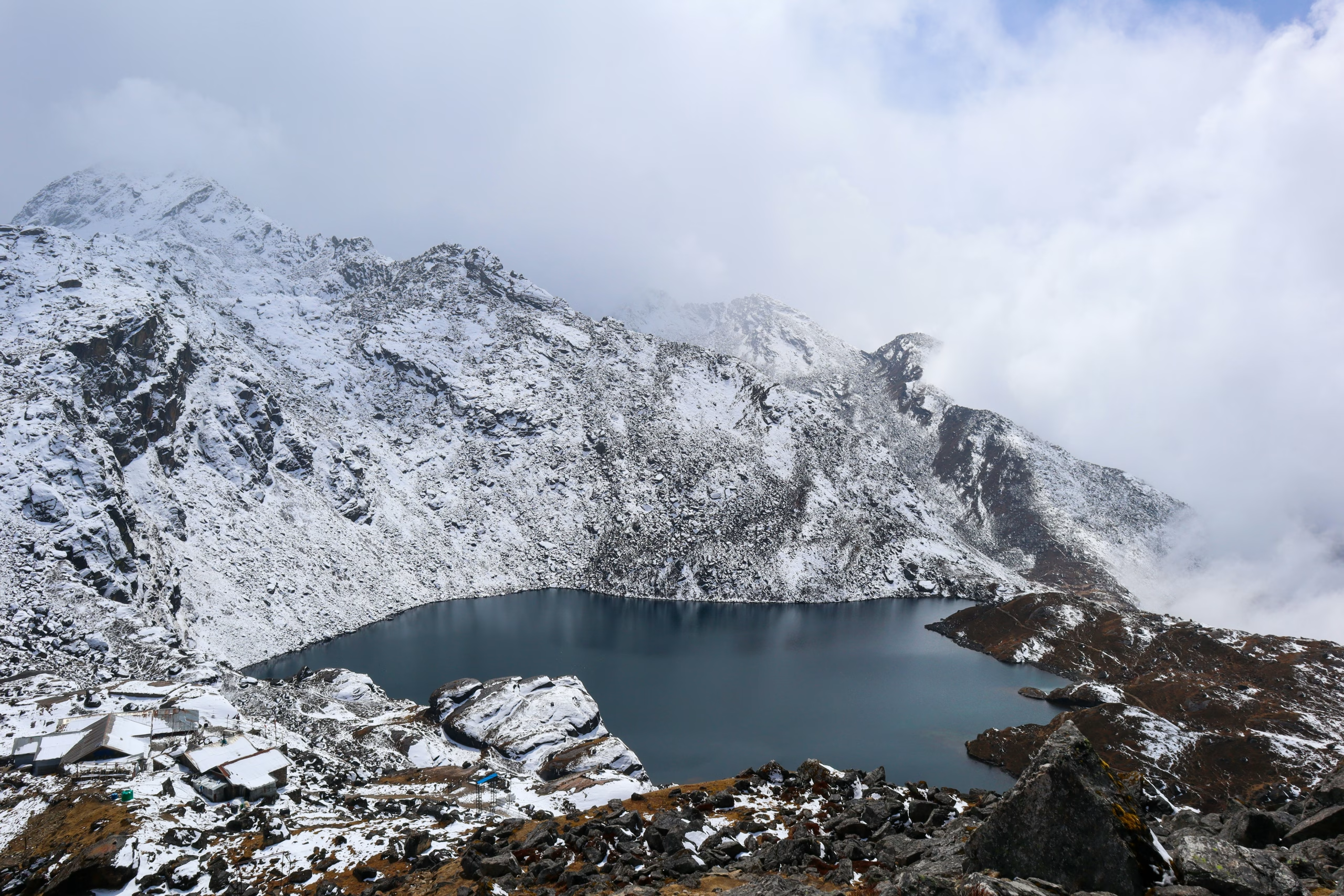
Imagine standing at 4,380 meters, surrounded by serene alpine beauty and the sacred waters of Gosaikunda Lake. This trek offers more than just breathtaking views—it’s a journey into tranquility, away from the bustling crowds of Everest or Annapurna. You’ll encounter diverse wildlife, like the elusive red panda, and connect with local Tamang and Gurung communities, making it a cultural adventure too.
Planning your trek for 2025 or 2026? Updated itineraries and costs are crucial. They help you budget effectively and choose reliable operators who prioritize your safety and comfort. With customizable options, this trek fits your schedule and preferences perfectly.
Key Takeaways
Gosaikunda Lake is holy for Hindus and Buddhists. Its is holy lakes for both religions . It has amazing views and lets you learn about local traditions.Pilgrimages take baths in the lake
Pick from different trek plans: a short 5-day trip or a longer 13-day journey to see more of the area.
Plan your budget carefully. Costs depend on group size and services, usually between USD 425 and USD 525.
Get fit by doing cardio and strength exercises. This will help you handle the trek’s tough parts.
Bring important items like warm clothes, waterproof jackets, and a cozy sleeping bag for a better trekking trip.
Table of Contents
Overview of Langtang Gosaikunda Trek
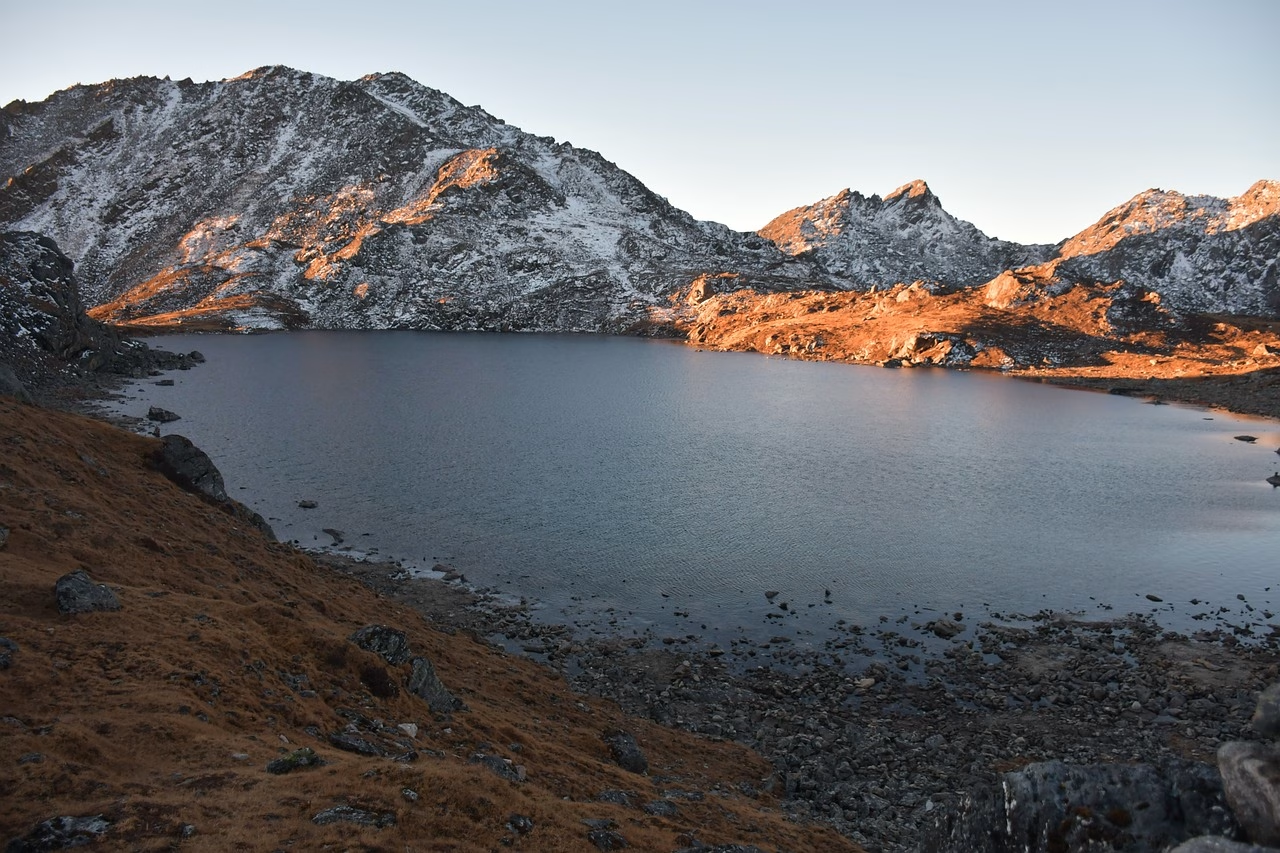
Significance of Gosaikunda Lake
Gosaikunda Lake holds deep spiritual and cultural importance in Nepal. It’s not just a stunning alpine lake but also a sacred site for both Hindus and Buddhists. According to Hindu mythology, Lord Shiva created the lake by striking the ground with his trident to quench his thirst after swallowing poison. For Buddhists, the lake is linked to Guru Rinpoche, who meditated in the area.
Every August, during the Janai Purnima festival, thousands of pilgrims from Nepal and India make their way to the lake. They believe that bathing in its holy waters cleanses them of sins. This annual pilgrimage highlights the lake’s spiritual significance and its role as a unifying cultural landmark.
Key Highlights of the Trek
The Gosaikunda Lake trek is packed with unforgettable experiences. You’ll walk through lush rhododendron forests, where pink, red, and yellow blooms create a magical atmosphere. The scent of pine and maple fills the air, and if you’re lucky, you might spot a red panda or even a snow leopard.
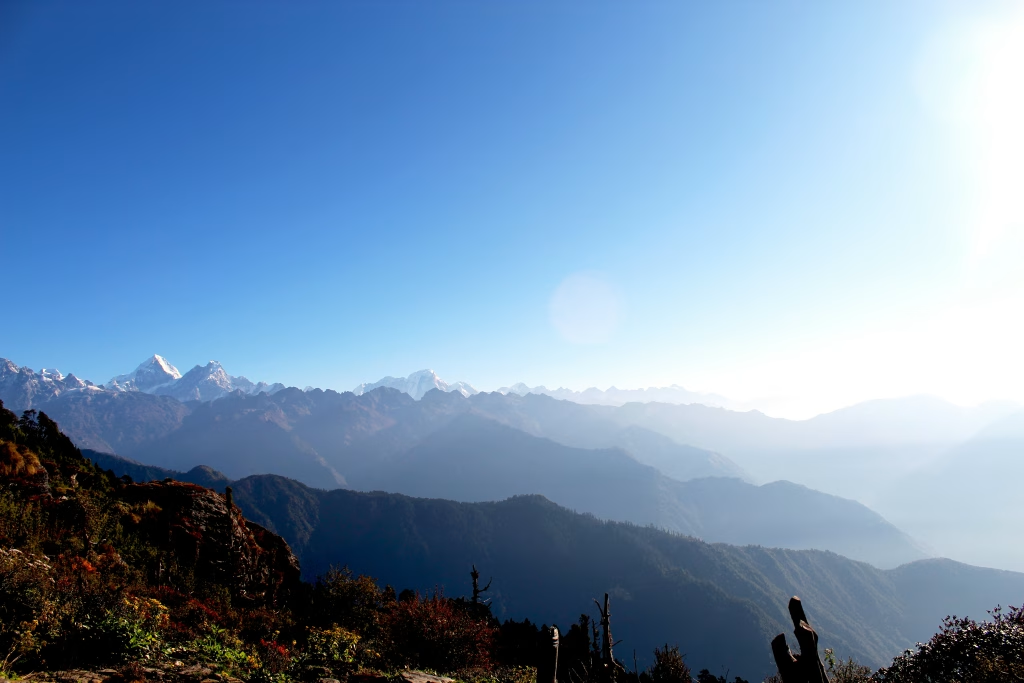
The trek offers breathtaking views of the Langtang Himal, Ganesh Himal, and Annapurna ranges. Along the way, you’ll cross the challenging Laurebina Pass at 4,625 meters, which rewards you with panoramic mountain vistas.
Here are some must-see spots and experiences:
Visit the sacred Lake, located at an altitude of 4,300 meters.
Explore five high-altitude lakes among the 108 lakes in the region.
Interact with Tamang and Sherpa communities, learning about their unique traditions.
Stop by Kyanjin Gompa, a remote monastery known for its yak cheese.
Hike to Tserko Ri for a stunning view from 4,985 meters.
This trek combines natural beauty, cultural immersion, and spiritual discovery, making it a once-in-a-lifetime adventure.
Detailed Trekking Itineraries
5-Day Gosaikunda Lake Trek Itinerary 2025
Gosaikunda Trek Itinerary
If you’re short on time but still want to experience the beauty of Gosaikunda Lake, the 5-day trek is perfect. It’s a quick yet rewarding adventure that starts from Dhunche and takes you straight to the heart of the region.
Day 1: Kathmandu to Dhunche (1,960m)
Begin your journey with a scenic drive from Kathmandu to Dhunche. The winding roads offer glimpses of terraced fields and distant mountains.Day 2: Dhunche to Chandanbari (3,330m)
Trek through lush forests filled with rhododendrons and pines. You’ll reach Chandanbari, where you can visit a local cheese factory.Day 3: Chandanbari to Gosaikunda Lake (4,380m)
This is the highlight of your trek. The trail climbs steeply, but the sight of the sacred Gosaikunda Lake makes it all worthwhile.Day 4: Gosaikunda Lake to Dhunche
After soaking in the beauty of the lake, descend back to Dhunche.Day 5: Dhunche to Kathmandu
Return to Kathmandu with unforgettable memories of your trek.
7-Day Itinerary
Day-by-Day Breakdown
The 7-day trek offers a balanced mix of adventure and cultural immersion. It’s a moderate trek that lets you explore Langtang National Park and its diverse landscapes.
Day 1: Kathmandu to Dhunche (1,960m)
Drive to Dhunche, the starting point of your trek.Day 2: Dhunche to Chandanbari (3,330m)
Trek through forests and enjoy the serene environment.Day 3: Chandanbari to Laurebina (3,910m)
Climb higher to Laurebina, where you’ll get stunning views of the Langtang Himal.Day 4: Laurebina to Gosaikunda Lake (4,380m)
Reach the sacred Gosaikunda Lake, surrounded by snow-capped peaks.Day 5: Explore Gosaikunda Lake
Spend the day exploring the area and visiting nearby lakes.Day 6: Gosaikunda Lake to Dhunche
Descend back to Dhunche, retracing your steps.Day 7: Dhunche to Kathmandu
Drive back to Kathmandu, completing your trek.
13-Day Itinerary Langtang Gosaikunda Trek
Day-by-Day Breakdown of Langtang Valley Gosaikunda Trekking
For a comprehensive experience, the 13-day trek combines the Langtang Valley and Gosaikunda Lake. It’s ideal if you want to take your time and fully immerse yourself in the region.
Day 1: Kathmandu to Syabrubesi (1,550m)
Drive to Syabrubesi, the gateway to Langtang Valley.Day 2: Syabrubesi to Lama Hotel (2,380m)
Trek through forests and cross suspension bridges.Day 3: Lama Hotel to Langtang Village (3,430m)
Pass through villages and enjoy views of Langtang Lirung.Day 4: Langtang Village to Kyanjin Gompa (3,870m)
Visit Kyanjin Gompa and taste fresh yak cheese.Day 5: Acclimatization Day at Kyanjin Gompa
Hike to Tserko Ri for panoramic mountain views.Day 6: Kyanjin Gompa to Lama Hotel
Retrace your steps back to Lama Hotel.Day 7: Lama Hotel to Thulo Syabru (2,210m)
Descend to Thulo Syabru, a charming village.Day 8: Thulo Syabru to Chandanbari (3,330m)
Begin your ascent towards Gosaikunda Lake.Day 9: Chandanbari to Laurebina (3,910m)
Trek to Laurebina, enjoying the changing landscapes.Day 10: Laurebina to Gosaikunda Lake (4,380m)
Reach the sacred lake and take in its beauty.Day 11: Explore Gosaikunda Lake
Spend the day exploring the area and acclimatizing.Day 12: Gosaikunda Lake to Dhunche
Descend back to Dhunche.Day 13: Dhunche to Kathmandu
Drive back to Kathmandu, concluding your trek.
Each itinerary offers a unique experience, whether you’re looking for a quick adventure or a deep dive into the region’s culture and landscapes.
Cost Breakdown for 2025 and 2026
Planning your trek to Gosaikunda Lake? Understanding the costs can help you budget effectively. Whether you’re trekking solo or in a group, here’s a detailed breakdown of what to expect.
Gosaikunda Lake Trek cost by Group Size
The cost of trekking varies depending on the size of your group. Here’s a quick look at the estimated costs for 2025 and 2026:
Group Size | Estimated Cost |
|---|---|
1 | USD 525 |
2 to 5 | USD 475 |
6 to 10 | USD 425 |
Solo trekkers often pay more since costs like guide fees and permits aren’t shared. Traveling in a group can significantly reduce expenses, making it a more budget-friendly option.
Service Levels
Your trekking experience also depends on the level of service you choose. Here’s what each option offers:
Budget Trekking
This is perfect if you’re looking to save money. You’ll stay in basic teahouses and eat simple meals. While it’s affordable, it requires you to carry your gear and manage logistics yourself.
Standard Trekking
A balanced choice for most trekkers. You’ll have a guide, porters, and comfortable accommodations. Meals are included, and you’ll enjoy a hassle-free experience.
Luxury Trekking
For those who want to trek in style, this option includes premium lodges, gourmet meals, and personalized services. It’s the most expensive but offers unmatched comfort.
Additional Costs
When planning your trek, don’t forget these extra expenses:
Permits and Fees
You’ll need two permits: the Langtang National Park Entry Permit (USD 30) and the TIMS card (USD 20). These are mandatory for all trekkers.
Transportation
Getting to the trailhead involves a bus or jeep ride from Kathmandu to Dhunche or Syabrubesi. Expect to pay USD 10-25 for public transport or USD 100-150 for a private vehicle.
Gear Rental or Purchase
If you don’t own trekking gear, renting or buying it in Kathmandu is an option. Renting a sleeping bag or down jacket costs around USD 1-2 per day.
Tip: Choosing a guided trek can save you time and stress. Guides know the trails, help with permits, and ensure your safety. While independent trekking offers freedom, it comes with added responsibilities.
Best Times to Trek
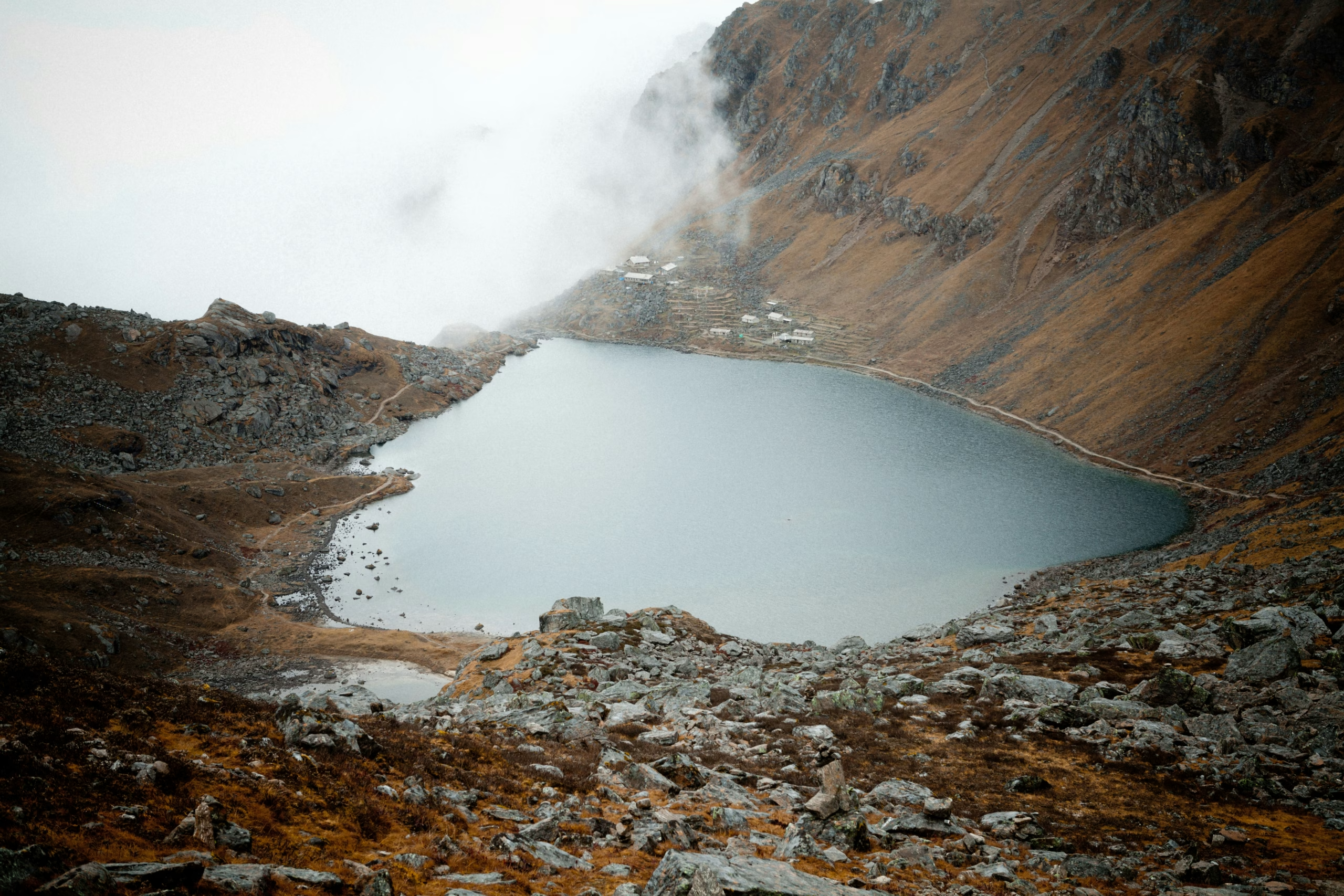
Choosing the right time to trek to Gosaikunda Lake can make or break your adventure. Each season offers unique experiences, but some months are more favorable than others. Let’s explore the best times to plan your trek.
Seasonal Recommendations
Spring (March-May)
Spring is one of the most magical times to visit Gosaikunda Lake. The weather gradually warms up, making the trek comfortable. Clear skies dominate, offering stunning views of the Himalayas. The trails come alive with blooming rhododendrons, painting the forests in vibrant shades of pink, red, and yellow. You’ll also notice active birdlife, adding a melodic charm to your journey.
However, spring trails can sometimes be slippery due to melting snow. If you’re careful, this won’t dampen your experience. Plus, spring is less crowded compared to autumn, giving you a more peaceful trek.
Autumn (September-November)
Autumn is the most popular season for trekking. The weather is stable, with moderate temperatures and dry trails. This makes it ideal for both beginners and experienced trekkers. The views of the Langtang and Annapurna ranges are breathtaking, with golden foliage adding a touch of magic to the scenery.
Since this is peak trekking season, you’ll encounter more fellow adventurers on the trails. If you enjoy meeting new people, this can be a bonus. Just remember to book accommodations early, as teahouses fill up quickly.
Off-Season Trekking
Winter (December-February)
Winter treks are for the brave-hearted. Snow blankets the trails, creating a serene but challenging environment. You’ll need specialized gear like crampons to navigate icy paths. The cold temperatures and reduced daylight hours require careful planning. Altitude sickness can also become a concern due to the extreme cold.
Despite these challenges, winter offers solitude and a unique perspective of the lake, surrounded by snow-capped peaks. If you’re well-prepared, it’s an unforgettable experience.
Monsoon (June-August)
Monsoon trekking is not for everyone. Heavy rainfall makes the trails muddy and slippery, increasing the risk of landslides. River crossings can become dangerous, and visibility is often limited due to fog and cloud cover. Some trails may even close, and accommodations can be scarce.
That said, the monsoon season transforms the landscape into a lush, green paradise. If you’re an experienced trekker who loves a challenge, this could be your time to shine. Best season March, April and May
Tip: Always check the weather forecast and trail conditions before trekking during off-seasons. Safety should be your top priority.
Trek Difficulty and Fitness Requirements
Difficulty Level of the Gosaikunda Trek in Nepal
The Gosaikunda Lake trek is considered moderately challenging. It’s not the easiest trek, but it’s definitely achievable with some preparation. Here’s what makes it a bit tricky:
Altitude: You’ll climb to 4,380 meters, which increases the risk of altitude sickness.
Terrain: The trail includes steep ascents and descents, requiring good balance and stamina.
Daily Trekking Hours: Expect to walk 5-7 hours each day. If you’re not used to long hikes, this can feel exhausting.
Weather: Conditions can change quickly, especially at higher altitudes.
Tip: The stunning views and serene environment make the effort worthwhile. Even if the trek feels tough at times, the beauty of the Himalayas will keep you motivated.
Fitness and Training Tips for Gosaikunda Trek in Nepal
You don’t need to be a professional athlete to complete this trek, but a decent fitness level helps. Start preparing a few months before your trip. Here’s how:
Focus on cardio exercises like running, swimming, or cycling to improve your endurance.
Add strength training for your legs and core. Squats and lunges are great options.
Practice hiking on trails with some elevation gain. This builds stamina and gets you used to uneven terrain.
Consistency is key. Even short, regular workouts can make a big difference.
Acclimatization and Altitude Considerations
Altitude sickness is a real concern when trekking above 3,000 meters. At Gosaikunda Lake, you’ll be at 4,380 meters, so acclimatization is crucial. Symptoms like headaches, nausea, and dizziness can appear if your body doesn’t adjust.
To stay safe:
Take your time. Ascend gradually to give your body a chance to adapt.
Stay hydrated. Drink plenty of water and avoid alcohol.
Listen to your body. If symptoms worsen, descend to a lower altitude immediately.
Note: Severe altitude sickness can lead to life-threatening conditions like HAPE or HACE. Always prioritize your health over reaching the destination.
With proper preparation and awareness, you can enjoy the trek without major issues.
Preparation Tips for the Trek
Essential Gear Checklist
Packing the right gear can make or break your trek to Gosaikunda Lake. You’ll face varying weather conditions, so being prepared is key. Here’s a checklist to help you pack smart:
Waterproof and breathable trekking pants
Insulating layers like a fleece jacket and down jacket
Moisture-wicking base layers, including long-sleeved shirts and thermal underwear
A waterproof and windproof jacket
Trekking socks (wool or synthetic)
A sun hat and a warm beanie or hat
Gloves or mittens
Sturdy hiking boots with ankle support and trekking sandals
A backpack with a rain cover
A sleeping bag suitable for cold temperatures
Trekking poles for stability on uneven terrain
Sunglasses with UV protection
A personal water bottle or hydration system
Sunscreen, lip balm with SPF, and insect repellent
Personal toiletries, medications, and a quick-drying towel
A camera or smartphone for capturing memories
A power bank or portable solar charger
Trekking permits and identification documents
Cash for small purchases along the trail
Pro Tip: Don’t overpack. Stick to the essentials to keep your backpack light and manageable.
Permits and Documentation
Before you hit the trail, make sure you’ve got the necessary permits. These are mandatory for trekking in the Gosaikunda Lake region:
TIMS (Trekkers Information Management System) permit
Langtang National Park permit
You can get these permits in Kathmandu or at the trailhead. Keep them handy during your trek, as you’ll need to show them at checkpoints.
Note: Always carry a copy of your passport and a few passport-sized photos. They might come in handy for permits or emergencies.
Packing Tips for Different Seasons
Packing for Gosaikunda Lake depends on when you’re trekking. Each season has its own challenges, so here’s a quick guide to help you prepare:
Season | Packing Recommendations |
|---|---|
Summer | Quick-dry summer hat, light clothing, water bottle. |
Winter | Warm winter hat, insulating jackets, gloves, warm socks. |
Monsoon | Rainproof jackets and pants, insect repellents to avoid leeches. |
Other | Full sleeve shirts, light pants, and a water bottle for hydration. |
Tip: Always pack a rain cover for your backpack, no matter the season. Weather in the mountains can be unpredictable.
Health and Safety Tips
Staying healthy and safe during your Gosaikunda Lake trek is essential for an enjoyable experience. The high altitudes and remote trails can be challenging, but with the right preparation, you’ll be ready to tackle them confidently. Here are some tips to keep in mind:
Build Your Fitness: Start preparing your body months before the trek. Regular aerobic exercises like jogging or cycling will improve your stamina. Strength training, especially for your legs, will help you handle steep ascents and descents.
Pack Smart: Bring comfortable hiking boots with good traction, warm layered clothing, and essentials like sunscreen and insect repellent. Packing light but including all necessary items ensures you’re prepared without being weighed down.
Tip: Don’t overpack or under-pack. Carry only what you need to stay comfortable and safe.
Acclimatize Properly: Altitude sickness is a real concern. Ascend gradually and take breaks to let your body adjust. If you feel symptoms like headaches or dizziness, slow down or descend to a lower altitude.
Stay Hydrated: Dehydration can sneak up on you, especially at higher elevations. Drink plenty of water throughout the day. Avoid alcohol and smoking, as they can worsen dehydration and altitude sickness.
What to Do If You Feel Unwell
If you start feeling unwell during the trek, follow these steps:
Walk slowly and rest often.
Drink water or herbal remedies like ginger tea.
Eat energy-rich foods to maintain your strength.
If symptoms persist, descend to a lower altitude immediately.
Note: Ignoring altitude sickness can lead to severe complications. Always listen to your body and prioritize your health.
Finally, prepare mentally for the trek. The weather can be unpredictable, and the trails may test your endurance. Stay positive and focus on the incredible journey ahead. With these tips, you’ll be ready to enjoy the beauty and serenity of Gosaikunda Lake safely.
Additional Useful Information
Transportation to and from the Trailhead
Getting to the starting point of the Gosaikunda Lake trek is straightforward, with options to suit different budgets and preferences.
Public Bus: The most economical way to reach the trailhead is by taking a local bus from Gongabu Bus Park in Kathmandu to Dhunche. The journey takes about 7-9 hours, depending on road conditions. While affordable, public buses can be crowded and less comfortable.
Private Vehicle: For a smoother and faster ride, you can hire a private jeep or car. This option also takes around 6-7 hours but offers more comfort and flexibility. It’s perfect if you’re traveling in a group or want to avoid the hassle of public transport.
Both options provide scenic views of terraced fields, lush hills, and distant mountains, making the journey an adventure in itself.
Accommodation Options Along the Route
The Gosaikunda Lake trekking route offers a range of accommodations, from basic teahouses to slightly more comfortable lodges.
Most teahouses provide simple rooms with two twin beds, shared bathrooms, and a cozy common area where trekkers can relax and socialize. Hot showers are available for an extra fee. These teahouses reflect the warm hospitality of the Tamang communities, who run them.
If you’re looking for a bit more comfort, some lodges offer upgraded amenities like attached bathrooms and better bedding. These options are limited, so it’s best to book in advance if you prefer a premium experience.
No matter where you stay, you’ll enjoy home-cooked meals, often featuring local dishes like dal bhat (lentil soup with rice). The accommodations may be modest, but they add to the charm of the trek.
Cultural Highlights and Local Customs
The Gosaikunda Lake trek isn’t just about stunning landscapes; it’s also a cultural journey. You’ll pass through villages inhabited by Tamang and Sherpa communities, each with their own unique traditions.
The Tamang people are known for their vibrant festivals, traditional dances, and intricate wood carvings. You might get a chance to witness their hospitality firsthand, as they welcome trekkers with warm smiles and stories about their heritage.
Respecting local customs is important. For example, always ask for permission before taking photos of people or religious sites. When visiting monasteries or stupas, walk clockwise around them as a sign of respect.
This trek offers a rare opportunity to connect with the culture and spirituality of the region, making your adventure even more meaningful.
Responsible Trekking Practices
Trekking in the Gosaikunda Lake region is an incredible experience, but it’s important to do it responsibly. By following a few simple practices, you can minimize your impact on the environment and show respect for the local communities.
Start by sticking to established trails. These paths are designed to protect the fragile ecosystem, so wandering off can harm wildlife and vegetation. Hiking in small groups also helps reduce disturbances to the environment. Large groups can overwhelm the trails and put unnecessary pressure on the area’s resources.
Waste management is another big responsibility. Always carry a trash bag and pack out everything you bring in. Avoid leaving behind wrappers, bottles, or any other waste. If you see litter on the trail, consider picking it up—it’s a small act that makes a big difference.
Respecting local customs is just as important. The Tamang and Sherpa communities you’ll meet along the way have rich traditions. Greet locals with a friendly “Namaste” and ask for permission before taking photos. When visiting religious sites, follow the local etiquette, like walking clockwise around stupas or shrines.
Tip: Mentally prepare for the challenges of trekking in remote areas. The weather can change quickly, and the trails can be tough. Staying fit and packing lightweight essentials will make your journey smoother.
Finally, take care of yourself and the environment by acclimatizing properly. Ascend gradually, take breaks, and stay hydrated to prevent altitude sickness. A healthy trekker is a responsible trekker!
By following these practices, you’ll not only protect the Gosaikunda Lake region but also enhance your own trekking experience. Responsible trekking ensures that this beautiful destination remains pristine for future adventurers like you. 🌿
Planning your trek to Gosaikunda Lake is an exciting journey in itself. Let’s quickly recap the essentials to help you get started:
Choose from flexible itineraries, like the 5-day trek for a quick adventure or the 13-day trek for a deeper exploration.
Budget wisely. Costs range from USD 429 to USD 699, depending on group size and services.
Prepare physically with cardio exercises, strength training, and short hikes to build stamina and acclimatize.
This trek isn’t just about reaching a destination. It’s about immersing yourself in the spiritual aura of Gosaikunda Lake, surrounded by sacred waters and breathtaking Himalayan views. You’ll connect with local communities, experience their culture, and create memories that last a lifetime.
So, why wait? Start planning your 2025 or 2026 trek now. The serene beauty and cultural richness of this adventure are calling your name.
FAQ
1. Do I need prior trekking experience for the Gosaikunda Lake trek?
Not necessarily! This trek is moderately challenging, so beginners can do it with preparation. Focus on building your stamina through cardio and strength training. If you’re unsure, consider hiring a guide to make the journey smoother and safer.
2. What should I pack for the trek?
Here’s a quick list of essentials:
Warm layers (fleece, down jacket)
Waterproof jacket and pants
Trekking boots
Sleeping bag
Sunscreen and sunglasses
Tip: Pack light but don’t skip the basics. A heavy backpack can slow you down.
3. Is it safe to trek solo?
Yes, but trekking solo requires extra caution. Stick to marked trails, inform someone about your plans, and carry a map or GPS. Hiring a guide or joining a group can enhance safety and make the trek more enjoyable.
4. Can I trek during the monsoon season?
You can, but it’s tricky. Trails get muddy, and leeches are common. Visibility might be poor due to rain and fog. If you love lush greenery and fewer crowds, it’s worth considering. Just pack waterproof gear and stay cautious.
5. How do I prevent altitude sickness?
Take it slow. Acclimatize by spending extra days at higher altitudes. Drink plenty of water and avoid alcohol. If you feel symptoms like headaches or nausea, descend immediately.
Note: Altitude sickness can be serious. Always listen to your body and prioritize your health.