

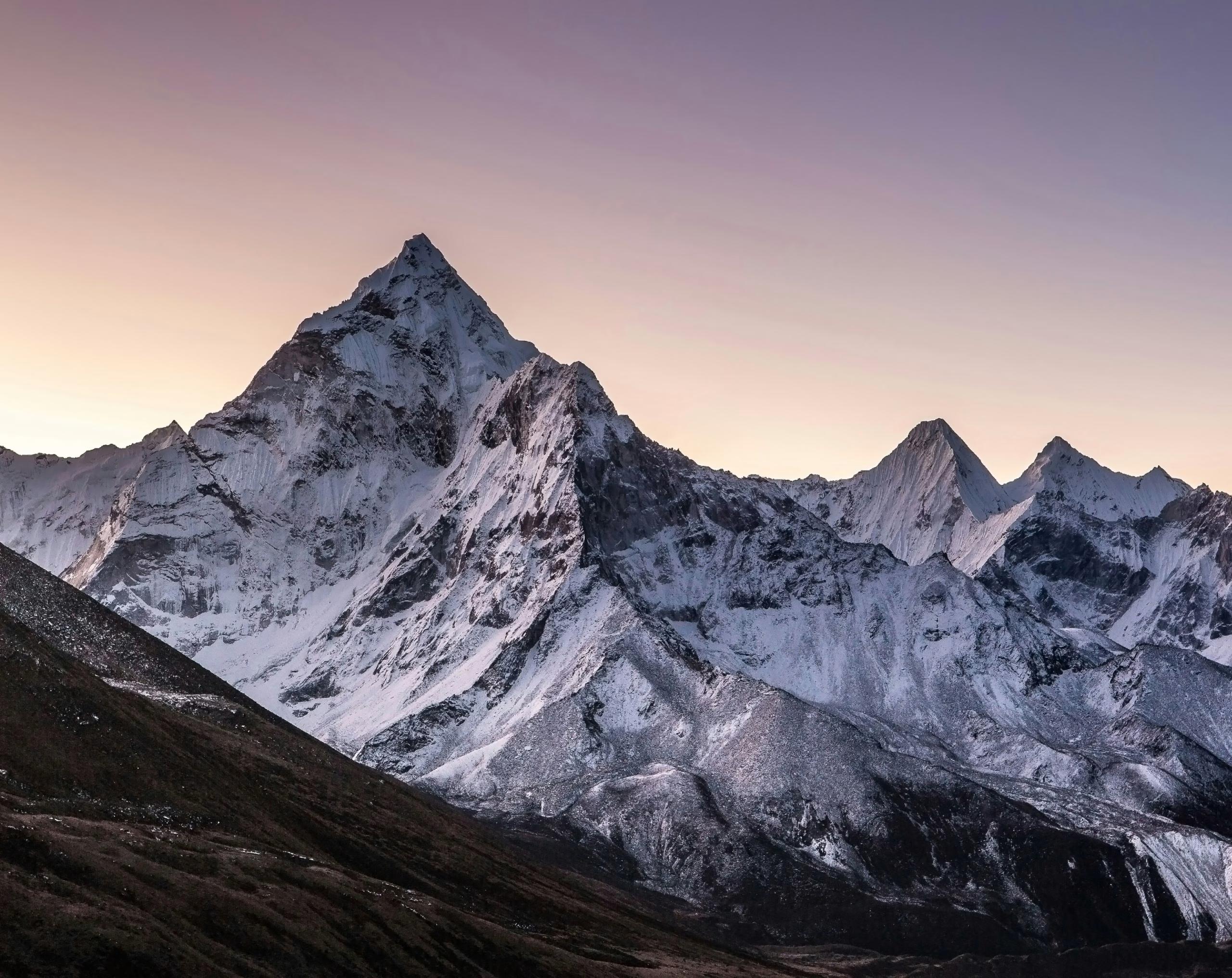
Why do so many people dream of trekking to Mount Everest Base Camp? It’s not just about reaching the foot of the world’s tallest mountain. The journey to Mount Everest Base Camp offers breathtaking views of towering peaks and glacial lakes. You’ll meet fellow adventurers, share stories, and build lifelong friendships along the trek to Mount Everest Base Camp. Each step challenges your limits, teaching you resilience and adaptability. It’s more than a trek—it’s a chance to reflect, grow, and discover strength you didn’t know you had. If you’re ready for an adventure that combines natural beauty with personal triumph, this trek to Mount Everest Base Camp is absolutely worth it.
Key Takeaways
Train your body for at least three months. Do cardio, strength exercises, and stretching to get ready for the trek.
Bring important items like a warm jacket and strong boots. Good gear keeps you safe and comfortable on the hike.
Drink at least 4 liters of water every day. Staying hydrated helps avoid altitude sickness and keeps you energized.
Pick the best time to trek. Spring and fall have great weather and views, making the trip better.
Know the costs before you go. Plan for permits, insurance, gear, and surprise expenses to have a smooth trip.
Table of Contents
How Difficult Is the Mount Everest Base Camp Trek?
Physical Fitness Requirements
Trekking to Mount Everest Base Camp is no walk in the park, but you don’t need to be a professional athlete to succeed. A moderate level of fitness is enough to get you through the journey. You’ll need strong legs, good endurance, and a healthy cardiovascular system. Regular cardio workouts like running, cycling, or swimming can help you prepare. Strength training, especially for your core and lower body, is also essential.
Don’t forget flexibility and balance. Yoga or stretching exercises can improve your stability on uneven trails. Most importantly, consistency is key. Train regularly for at least three months before your trek to build the stamina you’ll need for long days of walking.
Trekking Experience Needed
Ultimately, trekking to Mount Everest Base Camp is about connecting with nature and appreciating the beauty of the world.
Here’s some good news: you don’t need prior trekking experience to conquer the Everest Base Camp trek. It’s graded as “Moderately Difficult,” meaning it’s challenging but achievable for beginners with proper preparation.
To get ready, start hiking in your local hills. Gradually increase the difficulty and duration of your hikes. This will help you build endurance and confidence. Strength training for your legs and core will make carrying your backpack easier. You should also practice breathing techniques to prepare for the thinner air at high altitudes.
If you want to test your skills before heading to Nepal, consider treks like the Annapurna Base Camp, the Inca Trail to Machu Picchu, or Mount Toubkal. These are great warm-ups for the adventure ahead.
Preparing for the trek to Mount Everest Base Camp requires both mental and physical readiness.
Daily Trekking Distances and Elevation Gain
The trek to Mount Everest Base Camp covers varying distances and elevation gains each day. Here’s a quick breakdown:
Day | Distance (miles) | Elevation Gain (feet) |
|---|---|---|
1 | 8.8 | 315 |
2 | 5 | 740 |
11 | 13.7 | -1000 up 350 |
12 | 13 | -700 up 365 |
You’ll walk an average of 5-10 miles daily, with some days being longer. The elevation gain can be steep, so pacing yourself is crucial. Take it slow, drink plenty of water, and listen to your body. Remember, it’s not a race—it’s about enjoying the journey and reaching the base camp safely.
What Are the Costs of Trekking to Mount Everest Base Camp?
Average Cost Breakdown
Trekking to Mount Everest Base Camp isn’t just about the adventure—it’s also about planning your budget. Costs can vary depending on your choices, but here’s a general breakdown to help you prepare:
Many who trek to Mount Everest Base Camp report a sense of accomplishment and personal growth that lasts long after the trip.
Trekking to Mount Everest Base Camp is a thrilling adventure that many dream of accomplishing. The sense of achievement when you reach Mount Everest Base Camp is unparalleled.
Permits: Sagarmatha National Park Permit ($30) and Khumbu Pasang Lhamu Rural Municipality Permit ($20).
Travel Insurance: $100 to $500 for a 30-day policy.
Trekking Equipment: Renting costs $50 to $100, while buying gear can go up to $500.
Vaccinations: $100 to $200, depending on your needs.
Additional Costs: Charging devices ($2–$5), mobile recharge (less than $1), and a buffer fund ($300 to $500).
Trekking Packages: Low-range ($1500 to $2500), mid-range ($2500 to $3500), and luxury ($3500 and above).
Many travelers look forward to trekking to Mount Everest Base Camp for the stunning scenery and the chance to challenge themselves physically.
The journey to Mount Everest Base Camp requires careful planning and consideration of various factors such as weather and gear.
💡 Tip: Always set aside extra funds for unexpected expenses like weather delays or additional supplies.
Finally, don’t forget to enjoy the journey while trekking to Mount Everest Base Camp.
Inclusions and Exclusions
Trekking packages often include some essentials, but you’ll need to cover other costs yourself. Here’s what to expect:
Inclusions | Exclusions |
|---|---|
Local transfers | International flights |
Accommodations | Nepal visas ($30–$50 based on duration) |
Meals during the trek | Insurance |
Guides | Snacks |
Porters | Personal expenses |
Low-range packages typically include basic guides, standard accommodations, and minimal food provisions. Mid-range options offer better accommodations and more experienced guides. Luxury packages include premium lodging, high-quality gear, and top-tier guides.
Budget vs. Luxury Trekking Options
Your trekking experience depends on your budget. Here’s how budget and luxury options compare:
Joining a group for the trek to Mount Everest Base Camp can enhance the experience and provide support.
Aspect | Budget Trekking | Luxury Trekking |
|---|---|---|
Cost | Affordable for low-budget travelers | Higher cost for premium services |
Experience | Authentic cultural experiences | Opulent amenities and comfort |
Accommodation | Basic lodging with local flavor | Luxurious mountain lodges |
Amenities | Limited amenities, focusing on the trek | 24-hour hot showers, helicopter transport |
If you’re looking for a more authentic experience, budget trekking might be your style. But if you prefer comfort and convenience, luxury trekking is worth the splurge.
What Gear Do You Need for the Mount Everest Base Camp Trek?
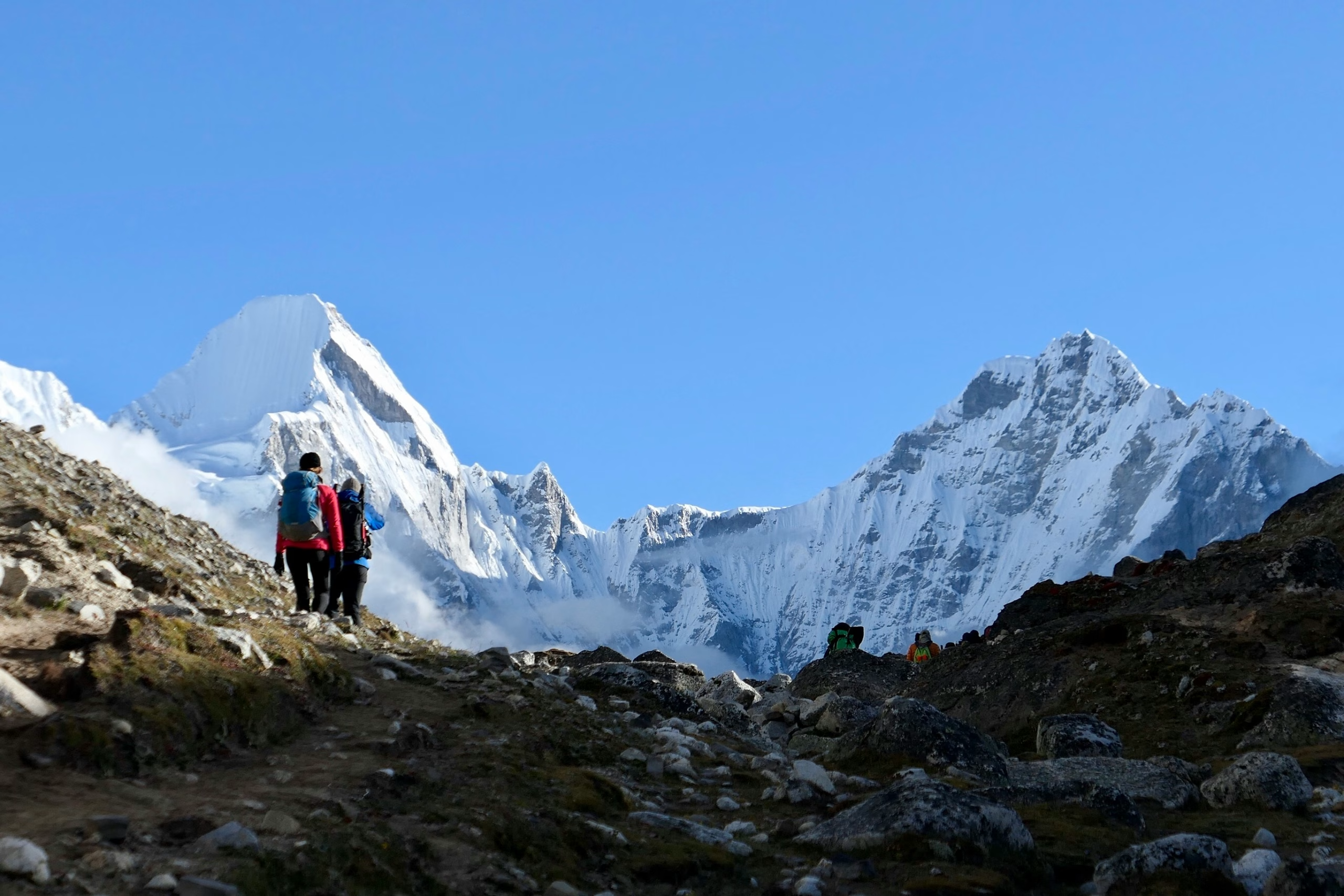
Essential Clothing and Footwear
Packing the right clothing and footwear can make or break your trek. You’ll face cold temperatures, unpredictable weather, and rugged trails, so your gear needs to be up to the challenge. Here’s what you’ll need:
A warm down jacket to keep you cozy during freezing nights.
Insulated gloves to protect your hands from the biting cold.
Trekking boots that are sturdy, waterproof, and broken in before your trip. La Sportiva Trango GTX boots are a great choice for their warmth, breathability, and ankle support.
A reliable backpack to carry your essentials comfortably.
Smaller items like thermal socks, base layers, and a hat to shield you from the sun and cold.
Tip: Don’t skimp on your boots. They’ll be your best friend on the trail, so invest in a high-quality pair and break them in well before your trek.
Must-Have Accessories
Accessories might seem secondary, but they’re just as important as your clothing. The right gear can make your journey smoother and safer. Here are some must-haves:
A water bladder like a Camelbak for easy hydration on the go.
A Nalgene-style plastic bottle for carrying extra water.
Trekking poles to reduce strain on your knees during steep climbs.
A headlamp with extra batteries for navigating in low light.
Sunglasses that block 100% of UV rays to protect your eyes at high altitudes.
Sunscreen and SPF lip balm to shield your skin from harsh UV exposure.
These items might seem small, but they’ll make a big difference in your comfort and safety.
Packing Tips for High-Altitude Treks
Packing smart is essential for a successful trek to Mount Everest Base Camp. Start with an itemized kit list to ensure you don’t forget anything important. Test your gear before the trip to make sure it works properly and fits well. For example, check that your clothing layers fit comfortably together without restricting movement.
Here are a few more tips:
Choose trekking poles that fold down small for easy packing.
Carry a compact first-aid kit tailored to your group’s needs.
Bring a GPS communicator for safety in remote areas.
Use a two-liter hydration reservoir for efficient water storage.
Note: Always pack light but don’t leave out essentials. A well-packed bag can save you from unnecessary stress on the trail.
Keep in mind that the Mount Everest Base Camp trek can be physically demanding, but it is a rewarding challenge.
With the right gear and preparation, you’ll be ready to tackle the challenges of the trek and enjoy the breathtaking beauty of the Himalayas.
How Should You Prepare for the Mount Everest Base Camp Trek?
Physical Training Tips
Preparing your body for the trek is essential. You’ll need endurance to hike for hours daily over rugged terrain. Start with shorter hikes and gradually increase to 5-6 hours while carrying a backpack. Include elevation changes to mimic the conditions you’ll face. Cardio activities like jogging, cycling, and swimming are excellent for building stamina.
Strength training is equally important. Focus on your legs, core, and upper body to improve balance and prevent injuries. Hill or stair walking with a weighted backpack is a great way to simulate the trek. Train consistently, about 4-5 times a week, and increase intensity over time.
Tip: Regular hiking practice not only builds stamina but also boosts your confidence for the journey ahead.
Mental Preparation for the Challenge
The trek to mount everest base camp is as much a mental challenge as it is physical. Set realistic expectations and remind yourself that it’s okay to take it slow. Practice mindfulness or meditation to stay calm and focused. Staying positive can make a huge difference when the trail gets tough.
Visualize yourself completing the trek. This mental exercise can help you stay motivated. Surround yourself with supportive people, whether it’s your trekking group or guides. Their encouragement can keep you going when you feel like giving up.
Acclimatization Strategies
Acclimatization is key to avoiding altitude sickness. Follow the “climb high, sleep low” rule. Spend more time at lower altitudes to let your body adjust. Limit your altitude gain to about 300 meters per night once you’re above 3,000 meters.
Stay hydrated. Drink plenty of water to counteract fluid loss at high altitudes. Avoid overexertion during the adjustment period. Slow and steady wins the race when it comes to acclimatizing.
Note: Gradual ascent and proper hydration are your best defenses against altitude sickness.
What Are the Risks of Altitude Sickness on the Everest Base Camp Trek?
Symptoms to Watch For
Altitude sickness can sneak up on you, especially as you climb higher toward the mount everest base camp. Knowing the symptoms can help you act quickly. Keep an eye out for:
Headaches
Fatigue
Nausea
Shortness of breath
Dizziness
Lack of sleep
Loss of appetite
These symptoms can range from mild to severe. If you notice any of them, don’t ignore them. Your body is telling you it’s struggling to adjust to the altitude.
Prevention Tips
Preventing altitude sickness starts with smart planning and good habits on the trail. First, ascend gradually. The “trek high, sleep low” method works wonders by giving your body time to acclimate. Make sure your itinerary includes rest days at higher altitudes.
Hydration is another key factor. Drink at least 3 to 4 liters of water daily to combat dehydration caused by the dry mountain air. Avoid alcohol, caffeine, and smoking, as they can worsen dehydration. Carry a reusable water bottle and purification tablets to ensure access to safe drinking water.
Go at your own pace. Don’t feel pressured to keep up with others if you’re feeling off. Listen to your body and take breaks when needed. Some trekkers also consider taking preventative medication like acetazolamide, but consult your doctor before your trip.
What to Do If You Experience Symptoms
If you start feeling sick, assume it’s altitude sickness and act immediately. Stop ascending and rest at the same altitude. If symptoms persist or worsen, descend to a lower elevation as soon as possible.
Stay hydrated by drinking plenty of fluids. Avoid pushing yourself to keep up with your group—your health comes first. If you’re crossing a high pass, move quickly and descend afterward. Always choose a trekking operator with clear protocols for handling altitude sickness.
In severe cases, seek medical attention or evacuation. Don’t take risks with your health. Being cautious can make all the difference in completing your trek safely.
When Is the Best Time to Trek to Everest Base Camp?
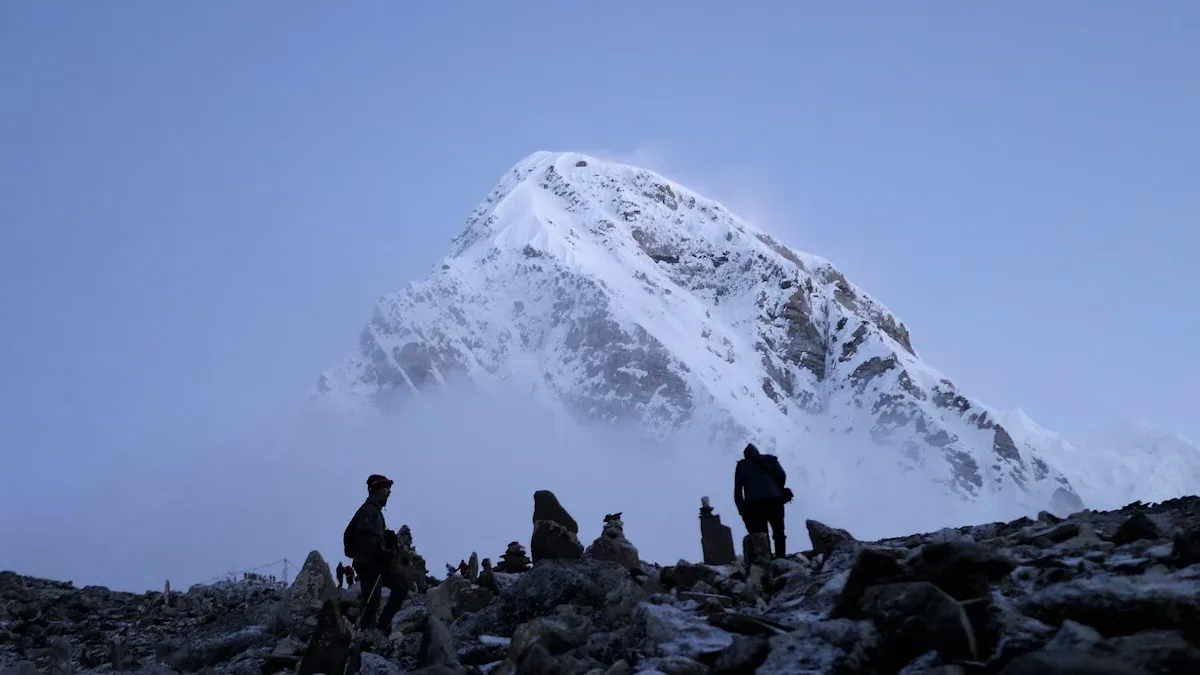
Peak Trekking Seasons
Timing your trek to Everest Base Camp can make or break your experience. The two most popular seasons are spring and autumn. Here’s why these times stand out:
Season | Time Frame | Reasons for Popularity |
|---|---|---|
Spring | Early March to Late May | Warmer, dry weather; clear views of mountains; panoramic views of high peaks like Mt. Everest. |
Autumn | Late August to Early November | Mild temperatures; favorable climate; crowded with tourists, similar to spring season. |
Spring offers warmer days and stunning views of blooming rhododendrons. Autumn, on the other hand, provides crisp air and vibrant landscapes after the monsoon season. Both seasons promise breathtaking scenery and ideal trekking conditions.
Weather Conditions by Season
Many trekkers find that the experience of reaching Mount Everest Base Camp changes their perspective on challenges in life.
Weather plays a huge role in your trek. Spring and autumn bring stable conditions, but each season has its quirks. Spring days are sunny and warm, with temperatures ranging from 50°F (10°C) in lower altitudes to below freezing at night in higher regions. Autumn offers cooler days and chilly nights, but the skies are often crystal clear.
Winter (December to February) brings harsh cold and snow, making trails challenging. Summer (June to August) coincides with the monsoon, leading to slippery paths and limited visibility. While these off-seasons are less crowded, they demand extra preparation.
Pros and Cons of Off-Season Trekking
Off-season trekking has its perks, but it’s not for everyone. You’ll enjoy quieter trails and lower costs. However, you’ll face unpredictable weather and limited services. Winter treks require heavy gear to combat freezing temperatures, while summer’s monsoon rains can make trails muddy and dangerous.
If you’re an experienced trekker seeking solitude, off-season trekking might appeal to you. But for most, sticking to spring or autumn ensures a safer and more enjoyable journey.
What Permits Are Required for the Everest Base Camp Trek?
TIMS Card (Trekkers’ Information Management System)
The TIMS Card used to be a must-have for trekkers in Nepal. It helped track trekkers and ensure their safety. However, as of recent updates, the TIMS Card is no longer required for the Everest Base Camp trek. Instead, you’ll need other permits specific to the region. This change simplifies the process, but it’s still important to double-check requirements before your trip.
For those who have conquered it, the trek to Mount Everest Base Camp is a story worth sharing.
Sagarmatha National Park Entry Permit
This permit is essential for entering the Sagarmatha National Park, home to the iconic Mount Everest. It costs NPR 3,000 (around $24 USD) and helps fund conservation efforts in the region. You’ll need to carry this permit with you at all times during the trek.
The permit can be purchased at the trailhead in Monjo or Lukla. However, getting it in Kathmandu before your trek can save you time and hassle. It’s a straightforward process, and having it ready ensures you can start your adventure without delays.
How to Obtain Permits
Getting your permits is easier than you might think. Here’s what you need to do:
Visit the Nepal Tourism Board office in Kathmandu to get your permits in advance.
Alternatively, buy the Sagarmatha National Park Entry Permit at Monjo or Lukla.
Bring your passport and a few passport-sized photos for the application.
Carry enough cash in Nepalese Rupees to pay for the permits.
Tip: Always keep your permits in a safe, accessible place. You’ll need to show them at various checkpoints along the trail.
With these permits in hand, you’re one step closer to experiencing the adventure of a lifetime at Mount Everest Base Camp.
The trek to Mount Everest Base Camp is an opportunity to challenge yourself physically and mentally.
Is the Mount Everest Base Camp Trek Safe?
Common Safety Concerns
Trekking to Mount Everest Base Camp is an incredible adventure, but it comes with risks. The most common concern is altitude sickness, which happens when your body struggles to adjust to lower oxygen levels at high altitudes. Symptoms like headaches, nausea, and fatigue can escalate to life-threatening conditions if ignored.
Safety is often overlooked on the trail, which is unfortunate for trekkers, locals, and the region itself.
You’ll also face challenges like uneven terrain, narrow paths, and icy conditions. Staying on marked trails is crucial to avoid accidents. Overexertion is another risk, especially if you push yourself too hard without proper rest. Knowing when to stop and recognizing warning signs of illness or exhaustion can make all the difference.
Tips for Staying Safe on the Trail
Your safety starts with preparation and smart habits. Here are some tips to keep you safe:
In conclusion, no matter the challenges faced during the trek to Mount Everest Base Camp, the rewards are well worth it.
Stay hydrated by drinking plenty of water and avoiding alcohol.
Dress in layers to handle unpredictable weather and protect your skin with sunscreen.
Carry a first aid kit and practice good hygiene to prevent infections.
Be mindful of your footing, especially on narrow or icy trails.
Know when to rest and consult your guide if you feel unwell.
Training before your trek is also essential. Build endurance with cardio exercises and strengthen your legs for the rugged terrain. Hiring a professional guide can provide extra safety and support throughout your journey.
Emergency Services and Evacuation Options
If something goes wrong, emergency services are available. Helicopter evacuations can transport you to safety in severe cases of altitude sickness or injury. Companies like Global Rescue offer medical evacuations with critical care teams and 24/7 medical advice.
For added security, consider using a mobile app with safety tracking features. These tools can alert rescue teams if you need help. Always choose a trekking operator with clear emergency protocols to ensure your safety.
Preparation is your best friend when trekking to Everest Base Camp. Acclimatize properly to adjust to the thinner air and stay hydrated by drinking at least 4 liters of water daily. The right gear, like a warm down jacket and sturdy trekking boots, can make all the difference. Choose an itinerary that allows for gradual altitude gain to ensure safety and success.
🌟 Tip: Start planning early and consult experienced guides. They’ll help you navigate challenges and make your trek unforgettable. Take the leap—you’re in for the adventure of a lifetime!
FAQS
1. Do I need travel insurance for the Everest Base Camp trek?
Remember that every step toward Mount Everest Base Camp is a step toward personal growth.
Yes, you absolutely do! Travel insurance is essential. It should cover high-altitude trekking, medical emergencies, and helicopter evacuations. Double-check the policy details before purchasing.
💡 Tip: Some insurance providers specialize in adventure travel. Look for one that includes coverage for altitudes above 5,000 meters.
Make sure you’re equipped with the right gear for the trek to Mount Everest Base Camp, as it can make a significant difference in your experience.
2. Can I trek to Everest Base Camp without a guide?
Yes, you can trek solo, but hiring a guide is highly recommended. Guides provide local expertise, ensure your safety, and help with permits. They also make the experience more enjoyable by sharing cultural insights.
Note: Solo trekking can be risky, especially if you’re unfamiliar with the terrain or altitude challenges.
3. What kind of food will I eat on the trek?
You’ll find plenty of options, from traditional Nepali dishes like dal bhat to international meals like pasta and pancakes. Meals are hearty and carb-heavy to fuel your trek.
Meal Type | Examples |
|---|---|
Breakfast | Porridge, eggs, toast |
Lunch/Dinner | Dal bhat, noodles, soup |
Snacks | Energy bars, biscuits |
4. How cold does it get during the trek?
Temperatures vary by season and altitude. At higher elevations, nights can drop to -10°F (-23°C) or lower. Days are warmer, ranging from 50°F (10°C) to 68°F (20°C) at lower altitudes.
Pro Tip: Layer your clothing to stay warm and adjust easily as temperatures change.
5. Is Wi-Fi available on the trail?
Yes, but it’s limited and often unreliable. Many teahouses offer Wi-Fi for a fee, but speeds are slow. It’s better to enjoy the disconnect and focus on the stunning surroundings.
🌟 Tip: Carry a local SIM card with a data plan for better connectivity in some areas.
Completing the trek to Mount Everest Base Camp is an experience that will stay with you for a lifetime.
If you’re considering the trek, be prepared for an adventure that will test your limits and inspire you to push beyond them.
Be sure to document your journey to Mount Everest Base Camp, as the memories will be invaluable.