

Close your eyes. Imagine the scent of incense swirling around ancient pagodas, the distant roar of a Bengal tiger echoing through tall grasslands, the crunch of glacial ice beneath your boots with Everest piercing the sky. This isn’t just a trip to Nepal; it’s a pilgrimage to the soul-stirring heart of the Himalayas, where centuries-old traditions, breathtaking natural wonders, and profound spirituality converge. Recognized by UNESCO for their “Outstanding Universal Value,” these sites are more than destinations—they’re transformative encounters with humanity’s shared heritage. Whether you’re a culture seeker, wildlife enthusiast, spiritual pilgrim, or adventure trekker, this guide unlocks Unesco World Heritage Sites Nepal .
Why These Sites Captivate the Soul
UNESCO designation signifies places of profound global significance – cultural or natural treasures belonging to all humankind. Nepal’s unique magic lies in offering both: ancient spiritual sanctuaries alongside untamed wilderness and towering mountain realms. Visiting these sites connects you to living history, sacred landscapes, and enduring traditions that have shaped this land for millennia. Let’s explore the jewels that define the Nepali experience.
Table of Contents
1. Kathmandu Valley: Where Gods Walk Among Mortals (Cultural Site)
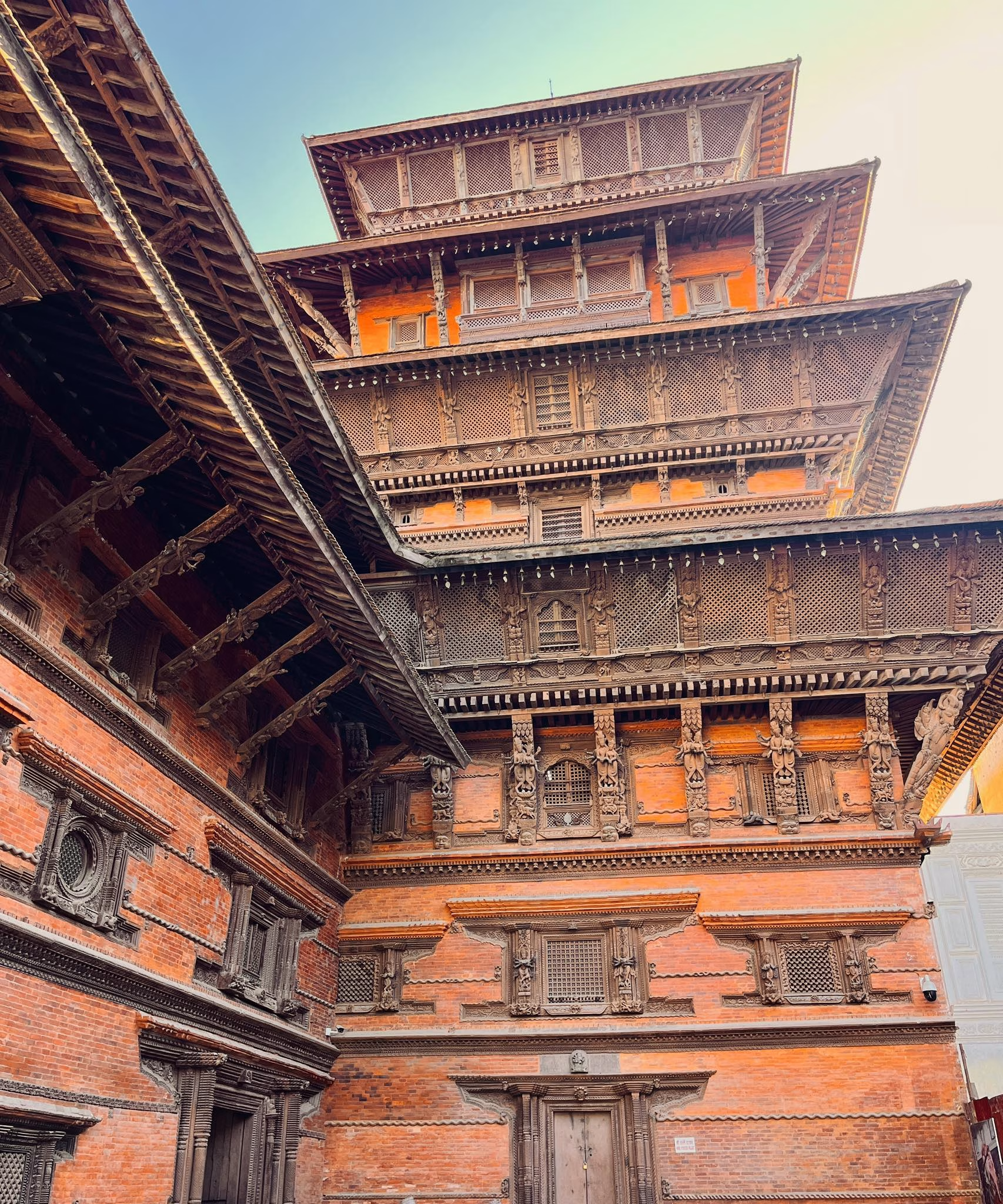
Step into an open-air museum pulsating with life. This single UNESCO site encompasses seven sacred zones across three ancient kingdoms: Kathmandu, Patan (Lalitpur), and Bhaktapur. It’s a mesmerizing fusion of Hindu and Buddhist traditions, showcased in breathtaking Newari craftsmanship – intricate wood carvings, soaring pagodas, and golden spires reaching for the heavens. You don’t just visit history here; you feel it in the vibrant chaos.
- Whispers of the Past: For over 2,000 years, this valley thrived. The rival Malla kings (12th-18th centuries) fueled an architectural renaissance, building dazzling palaces and temples in a glorious competition of devotion and power. The resilient spirit shines through ongoing restoration efforts following the 2015 earthquakes.
Must-Experience Sacred Zones:
- Kathmandu Durbar Square (Hanuman Dhoka): The historic royal seat. Wander amidst exquisitely carved palaces and temples buzzing with life.
- Unmissable: Seeking a glimpse of the Living Goddess Kumari, feeling the gaze of the fierce Kal Bhairav statue, marveling at the tiered Taleju Temple.
- Vibe: Energetic, chaotic, the historic core of the capital.
- Patan Durbar Square: A masterpiece of Newari artistry. Patan is the city of skilled metalworkers and master builders.
- Unmissable: The unique stone Krishna Mandir depicting epic tales, the dazzling Golden Temple (Hiranya Varna Mahavihar), the intricate stonework of Sundari Chowk.
- Vibe: Artistic, refined, slightly more serene than Kathmandu.
- Bhaktapur Durbar Square: Step back into a medieval time capsule. Cobbled lanes, potters at wheels, and fewer vehicles create an atmosphere like no other.
- Unmissable: Scaling the steps of Nyatapola Temple (Nepal’s tallest pagoda), admiring the 55-Window Palace facade, watching artisans in Pottery Square.
- Vibe: Timeless, deeply authentic, steeped in tradition.
- Swayambhunath Stupa (Monkey Temple): Ancient all-seeing eyes gaze from this hilltop stupa over the valley. Sacred to both Buddhists and Hindus, it’s alive with mischievous monkeys and circling pilgrims.
- Unmissable: The central stupa, panoramic valley views, the constant hum of devotion. Climb the 365 steps for a mini-pilgrimage.
- Vibe: Spiritual, mystical, vibrantly alive.
- Boudhanath Stupa: One of the world’s largest stupas, the epicenter of Tibetan Buddhism in Nepal. Feel the deep resonance of chanting monks and spinning prayer wheels.
- Unmissable: Circumambulating the stupa with pilgrims, soaking in the peaceful power at dusk with glowing butter lamps, exploring surrounding thangka galleries.
- Vibe: Deeply contemplative, visually stunning, soothing to the soul.
- Pashupatinath Temple: Nepal’s most sacred Hindu site, dedicated to Lord Shiva, on the banks of the Bagmati River. Offers a profound glimpse into life, death, and rebirth.
- Unmissable: Observing cremation rituals respectfully from the east bank, encountering Sadhus (holy men), experiencing the moving evening Aarti ceremony. (Non-Hindus cannot enter the main temple).
- Vibe: Intensely sacred, humbling, culturally immersive.
Traveler Tips for the Valley:
- Give it Time: 3-4 full days minimum to avoid rushing. Savor the atmosphere.
- Navigate Like a Local: Use taxis, rickshaws, or ride-sharing. Walking within squares is essential. Consider a knowledgeable local guide.
- Ticket Smart: A combined monument zone ticket usually saves money. Carry your passport!
- Respectful Exploration: Dress modestly (cover shoulders/knees). Remove shoes at temples/stupas. Ask permission before photographing people, especially during rituals. Observe cremations quietly and respectfully.
- Where to Rest: Thamel (convenient buzz), Patan (artistic charm), Bhaktapur (medieval immersion).
2. Lumbini: Tranquility at the Buddha’s Birthplace (Cultural Site)
Trade mountain vistas for the serene plains of the Terai. Lumbini is where Prince Siddhartha Gautama, the future Buddha, was born in 623 BC. It’s a hallowed pilgrimage site radiating profound peace.
- Echoes of Enlightenment: Lost for centuries, Lumbini was rediscovered in 1896 (identified by Emperor Ashoka’s pillar). This meticulously planned sanctuary preserves archaeological treasures and fosters an environment for meditation and reflection, embodying peace and the potential for inner awakening.
Experiencing the Serenity:
- The Sacred Garden (Core Zone): The spiritual heartbeat.
- Maya Devi Temple: Stand where the Buddha was born. See the Marker Stone and fascinating excavated ruins beneath the temple.
- Ashoka Pillar: Emperor Ashoka’s 249 BC inscription conclusively identifies Lumbini – a powerful historical anchor.
- Sacred Pond (Puskarni): Where Queen Maya Devi bathed. Feel the tranquil energy.
- Vibe: Deep reverence, palpable calm. Walk barefoot on the hallowed ground.
- The Monastic Zone: A unique global tapestry of Buddhism.
- International Monasteries: Explore stunning complexes built by Buddhist nations (e.g., grand Thai, intricate Chinese, serene German, golden Burmese). Best explored by bicycle or e-rickshaw.
- Vibe: Quiet contemplation, architectural diversity, a glimpse into worldwide Buddhist traditions.
Your Experience: Lumbini is about quiet contemplation, not grandeur. It resonates with travelers seeking spiritual connection, historical depth, or simply a haven of peace. Its scale and silence are its power.
Practical Journey Tips:
- Getting There: Fly to Bhairahawa (Gautam Buddha Airport), then a short drive. Long-distance buses are budget-friendly but time-consuming.
- Time Required: 1-2 full days allows immersion in the Garden and exploring key monasteries.
- Where to Stay: Choose from simple guesthouses near the gate to peaceful resorts within the sanctuary (highly recommended for atmosphere).
- Respectful Visits: Dress very modestly. Maintain quiet reverence, especially in the Garden. Circumambulate stupas clockwise.
- Getting Around: Rent a bicycle or use e-rickshaws/tongas to cover the spacious Monastic Zone comfortably.
3. Chitwan National Park: Into the Wild Heart of the Terai (Natural Site)
Hear the jungle come alive! Nepal’s first national park protects pristine Terai ecosystems – lush forests, grasslands, and winding rivers. This biodiversity hotspot offers thrilling wildlife encounters far from the snowy peaks.
- A Conservation Triumph: Once a royal hunting ground, Chitwan became a park in 1973. Its UNESCO status celebrates critical endangered species habitats and successful conservation, especially for the Greater One-horned Rhinoceros (populations rebounded dramatically).
Wildlife Wonders Await:
- Iconic Encounters:
- Greater One-horned Rhinoceros: Chitwan’s superstar! Your best chance to see these prehistoric-looking giants.
- Royal Bengal Tiger: Elusive and majestic. Spotting one is rare magic.
- Wild Asian Elephants: Often seen in majestic herds near rivers.
- Rich Biodiversity: Sloth bears, leopards, massive gaurs (Indian bison), diverse deer, playful monkeys, crocodiles (Mugger & endangered Gharial), over 550 spectacular bird species.
Jungle Adventures:
- Safari Experiences:
- Jeep Safari: Cover more terrain, venture deeper, maximize tiger-tracking chances (though noisier).
- Canoe Ride: Glide silently down the Rapti/Narayani – perfect for birdwatching and spotting basking crocodiles.
- Guided Jungle Walk: (Buffer zones only) Feel the jungle’s pulse with an expert naturalist. An exhilarating, close-up experience.
- Elephant Safari: Ethical Note: Concerns exist about welfare. If choosing this, research operators meticulously; prioritize seeing wild elephants.
- Tharu Culture: Visit a traditional Tharu village. Learn how this indigenous community has thrived alongside the jungle for centuries. Enjoy vibrant stick dance performances.
Your Experience: Pure adventure and awe. A thrilling contrast to Nepal’s mountains, fantastic for families and nature lovers. The heart-pounding sight of a rhino is unforgettable.
Planning Your Safari:
- Prime Time: October to March. Cooler, drier weather = superior wildlife viewing (animals congregate near water, vegetation thinner). Avoid the humid monsoon (June-Sept).
- Stay Immersed: Inside the Park: Luxurious jungle lodges offer total immersion. Sauraha: The main gateway town with options for all budgets.
- Packing Essentials: Neutral-colored clothing (khaki, green, brown – no brights!), sturdy shoes, high-SPF sunscreen, hat, strong insect repellent, binoculars, camera.
- Choose Wisely: Book safaris only through your lodge or reputable operators with expert naturalist guides.
- Time Commitment: 2-3 full days allows multiple safaris and cultural experiences.
4. Sagarmatha National Park: Beneath the Roof of the World (Natural Site)
Enter a realm of giants. Home to Mount Everest (Sagarmatha), this park is breathtaking Himalayan grandeur – deep valleys, ancient glaciers, and the resilient Sherpa culture. It demands effort but rewards with soul-stirring vistas.
- A Landscape of Superlatives: Protected since 1976, its UNESCO status honors extreme mountain ecosystems, rare high-altitude wildlife, and a unique cultural landscape shaped by Tibetan Buddhism and Sherpa traditions for generations.
The Journey is the Destination: Trekking
Accessing the park’s heart means multi-day treks. This is adventurer territory.
- Iconic Trails (Permits Essential):
- Everest Base Camp (EBC) Trek: The legendary pilgrimage to Everest’s foot (~12-14 days). Physically demanding, spiritually uplifting.
- Gokyo Lakes Trek: Features turquoise glacial lakes and Gokyo Ri (often superior views to Kala Patthar). Less crowded than EBC (~12-14 days).
- Three Passes Trek: The ultimate high-altitude challenge crossing Kongma La, Cho La, Renjo La (~18-20 days).
Beyond the Summit:
- Sherpa Heartland: The cultural soul of the Khumbu.
- Tengboche Monastery: The region’s spiritual center amidst stunning peaks. Attend morning prayers.
- Namche Bazaar: The bustling Sherpa hub and vital acclimatization stop. Explore markets, bakeries, museums.
- Mountain Hospitality: Experience Sherpa warmth in villages like Khumjung and Dingboche. Respect local customs.
- Nature’s Majesty: From rhododendron forests (ablaze in spring) to arid high deserts and the awesome Khumbu Icefall.
- High-Altitude Wildlife: Spot Himalayan tahr, musk deer, the dazzling Danphe (Himalayan Monal), and the incredibly elusive snow leopard.
Your Experience: A physically challenging, awe-inspiring journey defined by unparalleled scenery, cultural depth, and personal triumph. For trekkers and mountain devotees.
Essential Trekking Know-How:
- Trekking is Essential: No roads lead deep in. Flying into Lukla is the standard start.
- Prepare Thoroughly: Requires excellent fitness. Acclimatization is critical (AMS prevention!). Build rest days.
- Best Windows: March-May (Spring): Warmer, stable, rhododendrons bloom. Sept-Nov (Autumn): Crystal clear skies, cold nights. Avoid monsoon (Jun-Aug) & deep winter (Dec-Feb).
- Permits Must-Haves: Sagarmatha National Park Permit and TIMS Card. Get in Kathmandu or Monjo.
- Local Support: Hire guides/porters (strongly recommended for safety, navigation, cultural insight, supporting locals). Use reputable agencies.
- Teahouse Stays: Basic mountain lodges provide food and shelter. Book ahead in peak season.
- Tread Lightly: Pack out ALL trash. Choose lodges with eco-practices. Respect sacred sites (walk clockwise around mani walls/stupas). Conserve resources.
- Mountain Views Sans Trek: Scenic flights from Kathmandu offer stunning (but brief) aerial panoramas.
Crafting Your Nepal UNESCO Journey
Inspired? Here’s how to weave these wonders into your adventure:
- Ideal Seasons:October-November (Autumn): Prime time! Clear skies, pleasant temps, ideal for everything. March-April (Spring): Warmer, rhododendrons explode on treks, great visibility.
- Valley: Year-round (monsoon = rain/haze).
- Lumbini: Avoid Apr-Jun heat. Oct-Mar best.
- Chitwan: Oct-Mar (best wildlife).
- Sagarmatha: Mar-May & Sept-Nov. Winter possible but cold; monsoon dangerous.
- Navigating Nepal:
- Domestic Flights: Key for Lukla (Everest), Pokhara, Bhairahawa (Lumbini). Weather delays possible (mountains).
- Tourist Buses: Connect major hubs (Kathmandu-Pokhara-Chitwan-Lumbini). Budget-friendly but slow (6-8+ hrs).
- Private Vehicles: Hire cars/jeeps with drivers for flexibility and comfort on road trips. Ideal for groups/families.
- Visas: Easily obtained on arrival (Kathmandu airport/land borders) for most. Bring passport photos & cash (USD preferred).
- Permits & Fees:
- Kathmandu Valley: Combined monument ticket or individual site fees.
- Chitwan/Sagarmatha: National Park Entry Permit (gate/office).
- Trekking: TIMS Card (Kathmandu/Pokhara).
- Lumbini: Sacred Garden entry fee.
- Sample Itineraries:
- Cultural Heartbeat (7-10 Days): Kathmandu Valley (4-5d) + Lumbini (2d).
- Wild Nepal (10-14 Days): Kathmandu (1-2d) + Chitwan (3d) + Pokhara/Short Annapurna Experience.
- Everest Calling (12-16 Days): Kathmandu (1-2d) + Fly to Lukla + EBC/Gokyo Trek (12-14d trekking).
- Nepal Grandeur (3+ Weeks): Valley (4-5d) + Lumbini (2d) + Chitwan (3d) + Pokhara (2-3d) + Everest Trek (12-14d) OR Annapurna Adventure.
- Rest Your Head: Huge range: Budget guesthouses, heritage hotels (Patan/Bhaktapur), jungle lodges (Chitwan), teahouses (trekking).
- Travel Wise & Well:
- INSURANCE IS NON-NEGOTIABLE: Must cover high-altitude trekking (6000m+), emergency helicopter evacuation, medical costs. Verify carefully.
- Vaccinations: Consult a travel doctor months ahead. Typical: Hep A/B, Typhoid, Tetanus, Rabies (Chitwan), JE (Terai/long stays). Consider Malaria meds for Chitwan/Terai.
- Altitude Awareness: Know AMS symptoms & prevention (gradual ascent, rest days, hydrate!). Diamox can help (ask doctor). Descend if severe symptoms.
- Food & Water: Drink only bottled/filtered/boiled water. Avoid ice. Eat hot, cooked food. Peel fruit. Hand sanitizer constantly.
More Than Stones and Summits: A Soulful Connection
Nepal’s UNESCO sites are portals to the extraordinary. They offer:
- Living History: The whispering courtyards and sacred energy of the Kathmandu Valley.
- Profound Peace: The serene stillness where Buddha’s journey began in Lumbini.
- Untamed Spirit: The heart-pounding thrill of Chitwan’s wild embrace.
- Humbling Majesty: The awe-inspiring scale of Sagarmatha and the enduring Sherpa spirit.
Visiting these places is a conversation with the soul of Nepal. It changes you. The sights, sounds, and silences linger long after you leave, woven into your own story.
Travel with Heart: Remember, you are a guest. Tread lightly. Respect traditions. Support local communities. Minimize your footprint. Choose ethical wildlife encounters. By traveling consciously, you help safeguard these irreplaceable treasures.
Ready to answer Nepal’s call? The Himalayas whisper, ancient bells chime, and the jungle awaits. Which UNESCO wonder speaks directly to your traveler’s soul? Share your dream Nepali adventure below!