Login
Sign UpLoginSign Up


The Mardi Himal Trek is a hidden gem in the Annapurna region of Nepal, offering trekkers a serene and less crowded alternative to the more popular routes like the Annapurna Base Camp (ABC) and Everest Base Camp (EBC). Introduced relatively recently, this trek has quickly gained popularity among adventure enthusiasts for its pristine landscapes, panoramic mountain views, and rich cultural encounters. Typically lasting 5 to 7 days, with an option to extend, the trek reaches its highest point at Mardi Himal Base Camp, situated at 4,500 meters (14,764 feet). It is graded as moderate, making it suitable for those with a reasonable level of fitness, despite the steep ascents and descents. The journey usually begins at Kande or Phedi, both easily accessible by a short drive from Pokhara, a beautiful lakeside city that serves as a gateway to many treks in the Annapurna region. The best seasons for this trek are Spring (March to May) and Autumn (September to November), when stable weather and clear skies offer breathtaking views of the Himalayas.
John F.K. International Airport (Google Map)
Your journey begins with an amazing drive from Nepal’s capital, Kathmandu, to Pokhara, a popular lakeside city and the starting point to the Annapurna region.The journey takes approximately 7-8 hours by tourist bus or private vehicle. Along the way, you’ll enjoy beautiful views of rivers, terraced fields, and villages. Upon arrival in Pokhara, you can explore the city, stroll along Phewa Lake, or relax before the trek begins.
In the morning, you’ll drive from Pokhara to Kande, a small village located about 1.5 hours away.
The trek from Kande, your trek starts with a gradual ascent through forests and small settlements. The trek provides breathtaking views of the Annapurna Mountain Range.. After trekking for a few hours, you’ll reach Deurali (2,100m), a peaceful village that offers panoramic views of the surrounding hills and mountains.
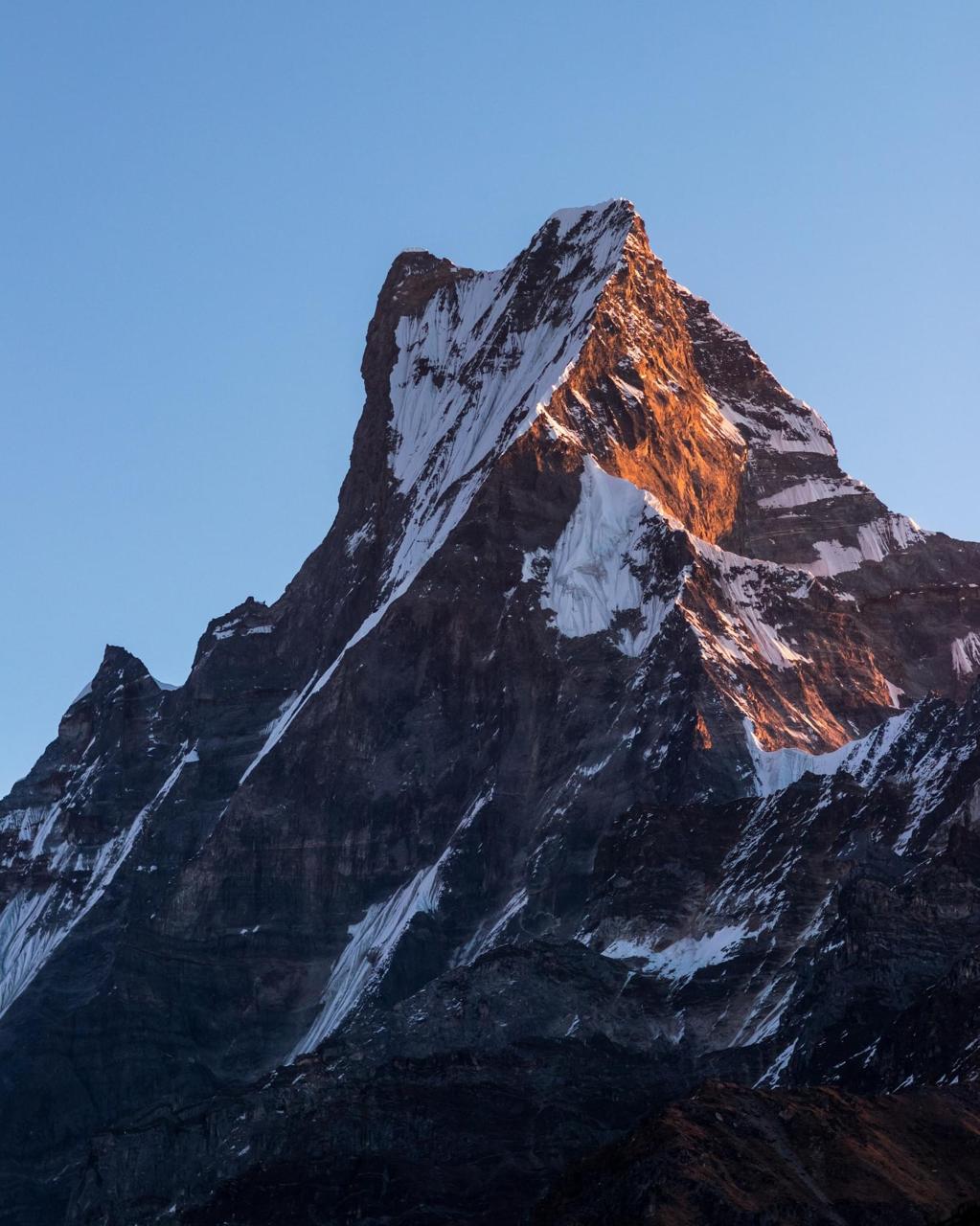
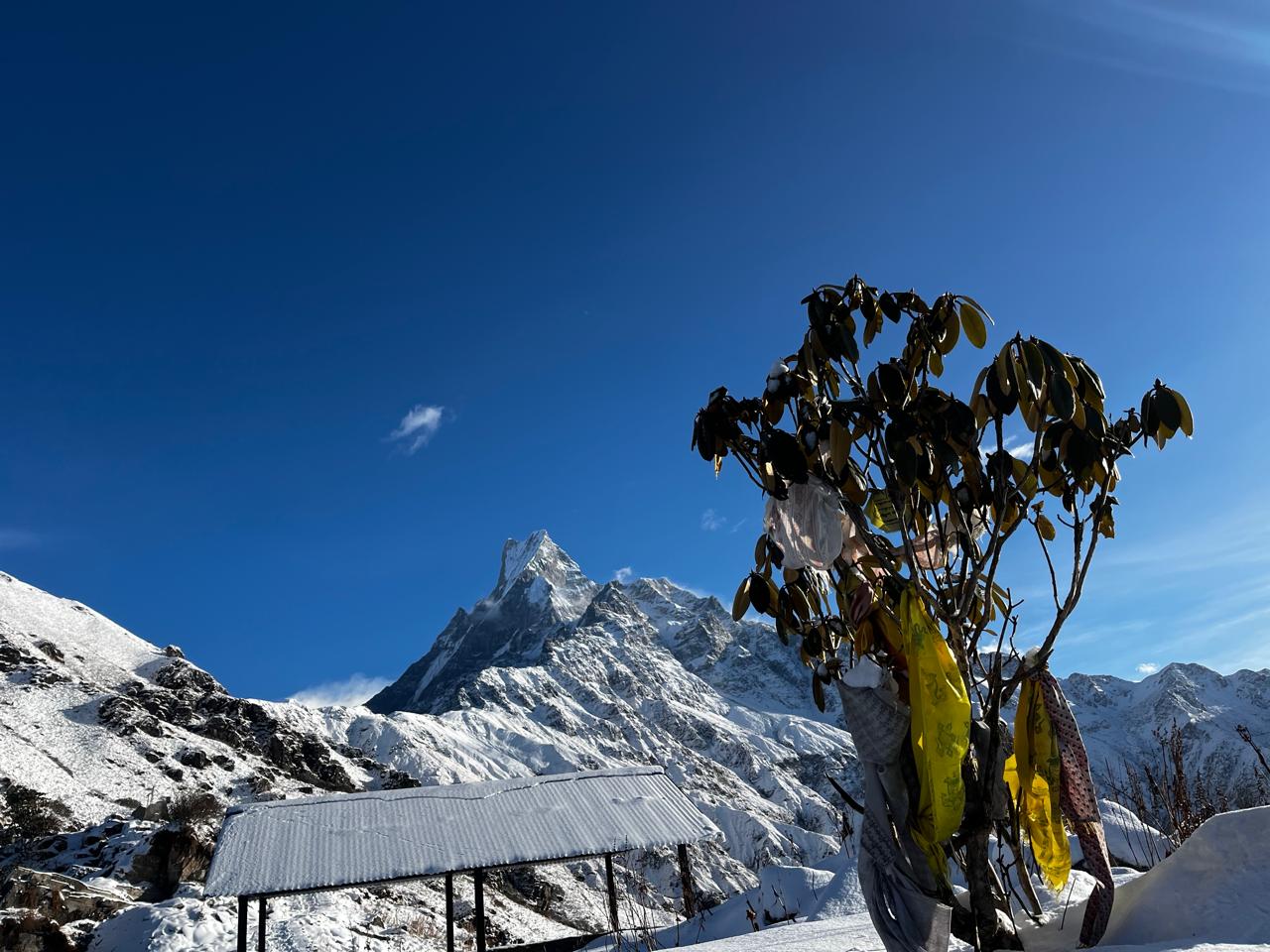
On this day, the trek continues with a gradual climb through dense rhododendron forests. As you ascend, you’ll begin to get glimpses of the snow-capped peaks. The trek to Low Camp (2,970m) takes about 6 -7 hours. Low Camp is a small settlement with a few teahouses, offering basic accommodation and a stunning view of Mt. Machhapuchhre (Fishtail) and other peaks.
Today, you’ll trek higher, reaching High Camp at 3,580 meters. The trail becomes steeper as you leave the tree line behind and enter alpine meadows. The views along the way are breathtaking, with close-up vistas of Annapurna South, Hiunchuli, and Machhapuchhre. The trek takes about 4-5 hours. High Camp is a small cluster of teahouses where you’ll spend the night, with spectacular mountain views all around.
Morning Trek to Base Camp: This is the most challenging and rewarding day of the trek. You’ll start early in the morning to reach Mardi Himal Base Camp (4,500m), the highest point of the trek. The trail is steep and rugged, but the panoramic views from the base camp are absolutely worth it, offering an up-close experience with the Annapurna and Dhaulagiri ranges.
Return to Badal Danda: After spending some time at the base camp, you’ll trek back down to Badal Danda (3,250m), a picturesque ridge with stunning views of the surrounding peaks and valleys. The descent takes around 5-6 hours.
On this day, you’ll trek downhill from Badal Danda to Siding, a traditional Gurung village. The trail descends through forests and terraced fields, and you’ll pass through charming villages where you can experience local culture.
After breakfast, you’ll take a tourist bus for the drive back to Kathmandu, which takes about 7-8 hours. Upon arrival in Kathmandu, your trek concludes. You can spend the evening exploring the capital or relaxing after your adventure.
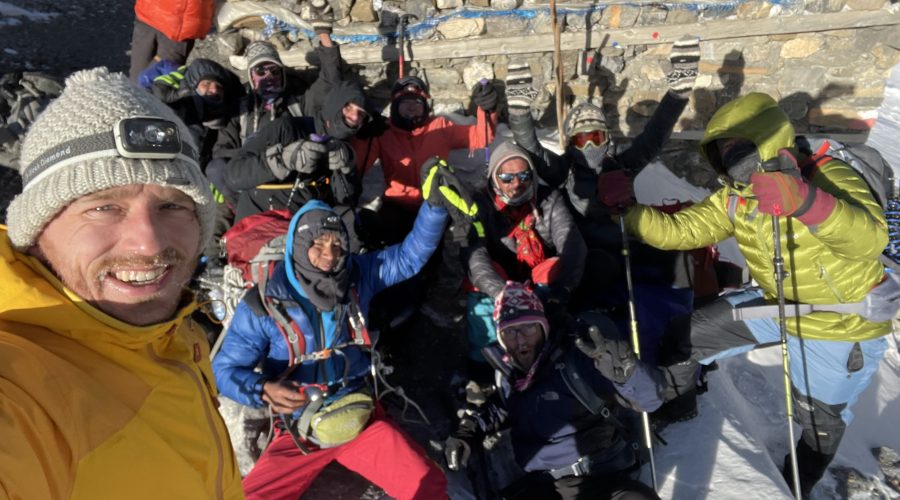

We booked our Langtang valley trek with Elite Embark. We really enjoyed their hospitality and how professional they are in their work . We would like to recommend them. Their knowledge about the trekking area and how they show case the cultural importance it holds added a spark on the trek .